Experts Challenge Screen Time Narrative: Children Need Purpose, Not Just Less Technology
In response to recent discussions about screen time's impact on young children, education specialists are proposing a fundamental shift in perspective. Rather than focusing solely on limiting digital consumption, they argue for creating environments where children can engage in meaningful, hands-on creation.
The Design Champions Approach: From Content Consumers to Creative Problem-Solvers
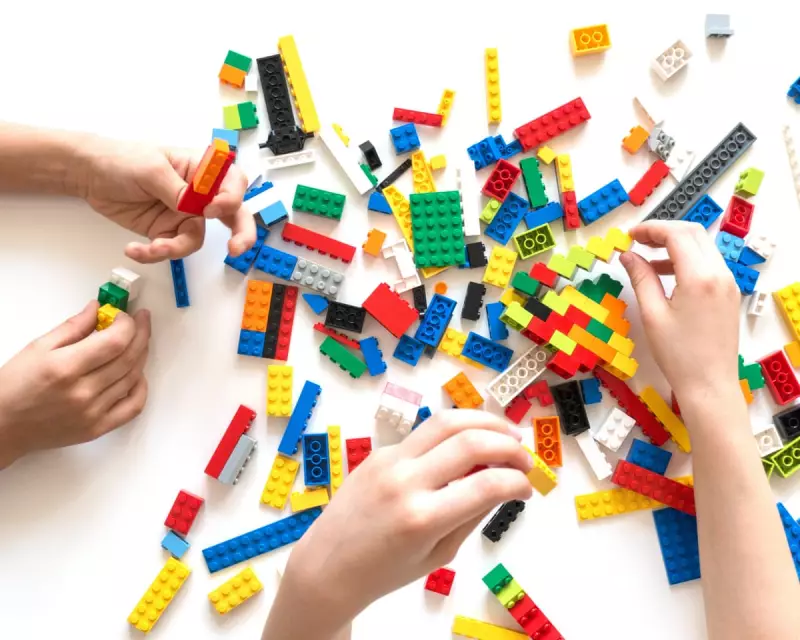
Georgi Kamov, co-founder of Red Paper Plane, shares insights from eleven years working with over 30,000 children in Bulgaria through their Design Champions programme. "Five- to ten-year-old children don't consume content – they become park designers, car engineers and city architects," explains Kamov. "They work on 'missions' lasting weeks, solving real problems with real materials."
This project-based learning approach creates a stark contrast with the experiences described in recent reports about screen-obsessed children. While some reception teachers observe children making cardboard iPhones because "that's what they know," Kamov's participants build models of dream playgrounds and present them to their communities. Same age group, radically different outcomes.

The Core Issue: Purpose Over Passive Consumption
Kamov identifies the fundamental problem as one of purpose rather than simply screen exposure. "What your article describes isn't a screen problem, but a purpose problem," he states. Children spending hours passively consuming digital content miss crucial serve-and-return interactions that build essential language and social skills.
The solution, according to this perspective, isn't merely reducing screen time but increasing meaningful engagement. This includes:
- Hands-on projects that encourage physical manipulation
- Collaborative challenges requiring teamwork and communication
- Real-world problems scaled appropriately for young children's capabilities
- Environments where children can act upon the world rather than just observe it
Kamov notes that Maria Montessori understood this principle a century ago, emphasizing that children need environments where they can interact meaningfully with their surroundings.
Psychological Foundations: The Critical Early Years
Psychologist Lisa Harms, writing from St Petersburg, Florida, emphasizes the developmental importance of early childhood experiences. "The brain is rapidly developing during the first five years," she explains, "and that development is critical and dependent on the child's interaction with its primary 'object', typically the mother."
This early period establishes foundations for:
- Personal and emotional development
- Psychological wellbeing and self-esteem
- Social skills and relationship building
- Cognitive abilities and learning patterns
Harms expresses concern about societal attitudes toward child-rearing, particularly in the United States, where financial pressures and cultural values often undermine support for early childhood development. She contrasts this with Scandinavian approaches offering substantial parental leave and child subsidies.
Policy Implications: Rethinking Screen Time Guidance
Both contributors suggest that forthcoming UK government guidance on screen use should address purpose alongside duration. The crucial question becomes not how many hours children spend on screens, but what experiences they're missing during that time.
Kamov argues for educational design that restores what's being lost: "How we can design early years education to restore what's being lost" should be central to policy discussions. This requires moving beyond simple time restrictions to consider the quality and purpose of children's activities, both digital and physical.
The consensus emerging from these perspectives suggests that meaningful engagement through hands-on projects offers a more constructive approach than simply battling against screen time. By providing children with opportunities to design, build, and solve real problems, educators and parents can foster development in ways that passive consumption cannot achieve.