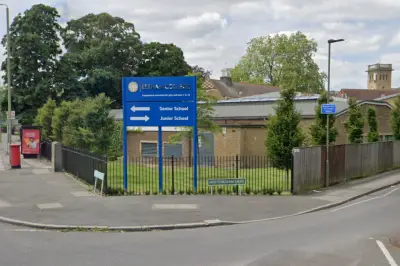
Waltham Forest Council has granted planning permission for a significant expansion of Yardley Primary School in Chingford, approving the construction of new classrooms and a kitchen that will create 180 additional pupil places. The decision came during a planning committee meeting on March 3rd, where councillors endorsed the school's transformation from a two-form to three-form entry institution.
Expansion Details and New Facilities
The approved scheme involves demolishing the existing canteen at Yardley School on Hawkwood Crescent and replacing it with a modern part two-, part three-storey block. This development will enable the school to increase its student capacity from 450 to 630 pupils while accommodating five additional staff members. Additionally, councillors approved separate plans for a temporary modular kitchen to be installed on the playing field, which will serve as a replacement catering facility for approximately 18 months during construction.
Resident Opposition and Traffic Concerns
Despite council support, the expansion faced formal opposition from five local residents who expressed significant concerns about increased traffic congestion and pollution. One resident directly addressed the planning committee, arguing that the additional school traffic would have a "detrimental impact on the health and lives of residents" by worsening existing congestion problems.
The resident questioned the council's consistency, noting it seemed "very strange" that the authority had previously cited congestion concerns when scrapping free parking in Station Road, yet was now "prepared to congest and pollute our local area" through school expansion. He suggested alternative solutions, asking "Why not build a new school in an area where it is needed?" No representatives from Yardley School attended the meeting to address these concerns.
Council Response and Educational Needs
Committee chair Councillor Jenny Gray acknowledged resident anxieties while emphasizing the educational necessity of the expansion. She expressed sympathy for those worried about increased neighborhood activity but found it "quite heartening" that more school places were required, particularly "when so many schools in London are having to reduce their size."
Councillors described the expansion as "straightforward" given the pressing need for school places, with one noting "our children need school places" as fundamental justification. The council advised concerned residents to report specific issues like illegal parking to appropriate enforcement teams for monitoring and action.
The expansion represents a significant investment in East London's educational infrastructure at a time when many London schools face capacity challenges. While addressing pupil place shortages, the development highlights ongoing tensions between educational expansion and local quality of life concerns in urban areas.