UK Government Weighs Social Media Ban for Under-16s Following Australian Model
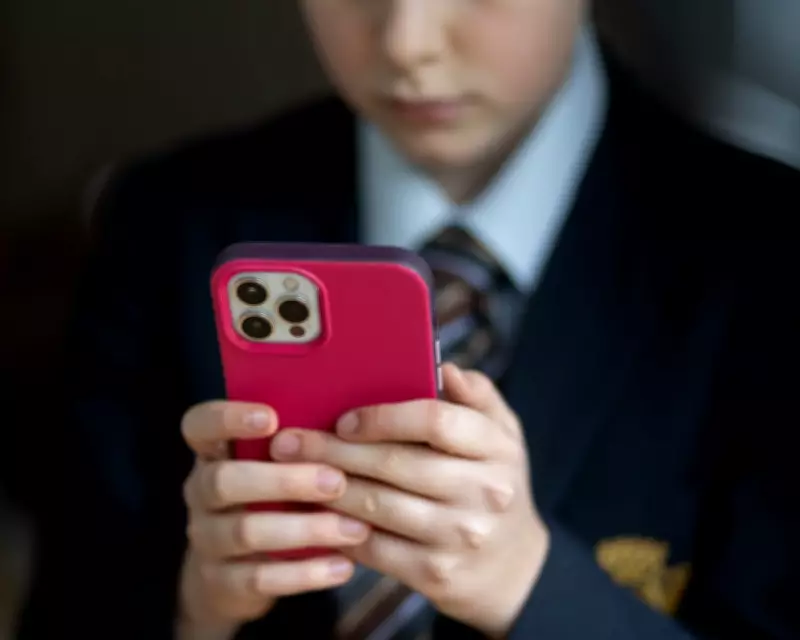
The UK government is actively considering implementing a social media ban for children under the age of 16, mirroring recent measures adopted in Australia. This potential policy shift aims to address growing concerns about the impact of digital platforms on young people's mental health and well-being. In a high-stakes parliamentary hearing, executives from major social media firms faced intense scrutiny over these issues.
Tech Executives Defend Platforms Amidst Addiction Allegations
Representatives from Meta, Roblox, and TikTok appeared before the cross-party education select committee in Westminster, where they robustly denied allegations that their platforms are inherently addictive to children and adolescents. Rebecca Stimson, Meta's UK director of public policy, stated, "We don't design Instagram or Facebook to be addictive," though she acknowledged risks of misuse. Similarly, Laura Higgins of Roblox and Alistair Law of TikTok emphasized a lack of clinical evidence for addiction, while stressing their commitment to promoting healthy usage.
The executives unanimously argued that a ban on social media access for under-16s would be unenforceable in practice, citing Australia's experience where many children continue to use platforms despite restrictions. They highlighted existing tools, such as parental controls and activity restrictions, as more effective solutions.

Snapchat's Absence Draws Criticism from Committee
The hearing was marked by controversy when Snapchat failed to attend, with the company citing "unforeseen circumstances" for its last-minute cancellation. Committee chair Helen Hayes issued a sharp rebuke, warning that Snapchat could be summoned if it does not cooperate for a rescheduled session next week. This absence underscored the tense relationship between lawmakers and tech giants over regulatory compliance.
Political and Legal Backdrop Intensifies Debate
This parliamentary inquiry follows a recent court case in Los Angeles, where Meta and YouTube were found liable for designing addictive products that harmed a young user. Both companies are appealing the decision, adding legal pressure to the ongoing discourse. In the UK, the government's consultation on potential restrictions, including an under-16 ban, reflects broader efforts to regulate online spaces for minors.
Liberal Democrat MP Caroline Voaden, a committee member, criticized the tech executives' denials, calling them "galling" and lacking credibility. She advocated for a film-style age rating system for social media, proposed by her party, to better protect children while allowing safe online engagement.
As the UK deliberates its next steps, the clash between regulatory ambitions and industry resistance highlights the complex challenges in safeguarding young users in the digital age. The outcome could set a precedent for global social media policies affecting millions of children.