Vincent in Brixton Revival: A Masterful Exploration of Van Gogh's Formative Years
When picturing Vincent van Gogh, most envision the tormented artist with a missing ear and swirling thoughts. However, Nicholas Wright's acclaimed 2002 play Vincent in Brixton transports audiences to a far less familiar period: the Dutch painter's time in south London before painting consumed his life. This compelling revival at Richmond's Orange Tree Theatre, running from March 23 to April 18, 2026, masterfully blends historical fact with creative speculation to probe the psychological origins of one of art history's most iconic figures.
A Superb Performance from Niamh Cusack
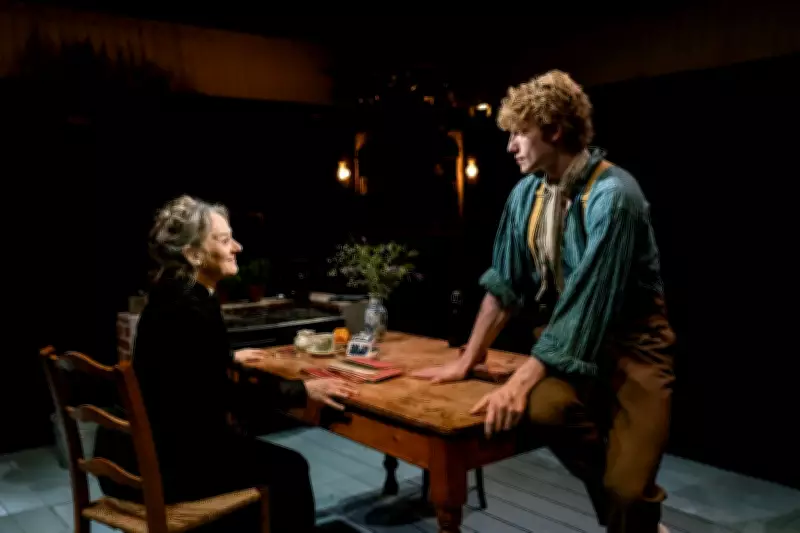
At the heart of Georgia Green's warm production is Niamh Cusack's properly terrific portrayal of Ursula, a widowed landlady prone to spells of all-encompassing depression. Cusack moves seamlessly from sharp and orderly to vulnerably open, gradually allowing herself to fall into an unlikely romance. Her performance reaches profound depths when depression descends—she sits with head in hands, tears pooling at the corners of her eyes, unable to form words yet communicating volumes through her stillness.
Van Gogh Before He Became Van Gogh
Jeroen Frank Kales embodies Vincent as a storm entering a room—a young man with a mop of thick blonde hair and an inability to keep his mouth shut. This is Van Gogh before he became Van Gogh: certain of what is brilliant and worthwhile in art, yet not fully aware of his own extraordinary talents. The play follows his emotional journey as he first falls for Ursula's daughter Eugenie before discovering a deeper connection with Ursula herself, bonding over their mutual propensity for melancholy.
A Lived-In World on Stage
The compact Orange Tree Theatre set creates a remarkably immersive environment. Designed by Charlotte Henry, the space sings with glorious domesticity—a cupboard stacked with crockery and cutlery in one corner, a working sink in another, and most evocatively, a hob that sends rich, savory smells wafting through the air. Rawaed Asde's soft-hearted portrayal of lodger Sam Plowman adds warmth, while his painted border outlining the theatre subtly blurs the lines between art and life.
Exploring Depression Without Naming It
One of the play's most fascinating aspects is its treatment of mental health. Though the word "depression" is never mentioned—reflecting the limited language of the era—its presence drips into every scene when it descends upon Ursula. The stage shifts from vibrant domesticity to spaces tinged with sadness, the well-stocked kitchen assuming a claustrophobic air that mirrors internal turmoil.
The Genesis of Genius
Throughout the production, audiences witness the early stirrings of Van Gogh's artistic genius beginning to take shape. The culmination comes in a powerful final image: Vincent putting pen to paper to sketch the outline of two boots—a quiet, poignant nod to all that's yet to come from this unsettled soul. While the play traces artistic origins, its primary concern remains the human heart: big, unfulfilled dreams and the complex relationships that shape us.
Practical Details: The production runs 2 hours and 10 minutes at the Orange Tree Theatre, 1 Clarence Street, Richmond TW9 2SA. With tickets sold out for the initial run, this revival has clearly captured London's theatrical imagination, offering a fresh perspective on an artist we thought we knew.