Hollyoaks' Diane Hutchinson Faces Terminal Diagnosis with Destructive Coping Mechanism
In devastating scenes from the long-running Channel 4 soap opera Hollyoaks, beloved character Diane Hutchinson, portrayed by actress Alex Fletcher, receives a terminal cancer diagnosis that sends her spiraling toward destructive behavior. The emotional episode, which aired on E4 at 7pm on March 10, 2026, reveals Diane's heartbreaking struggle with her mortality and the shocking ways she attempts to cope.
A Terminal Prognosis Shatters the Hutchinson Family
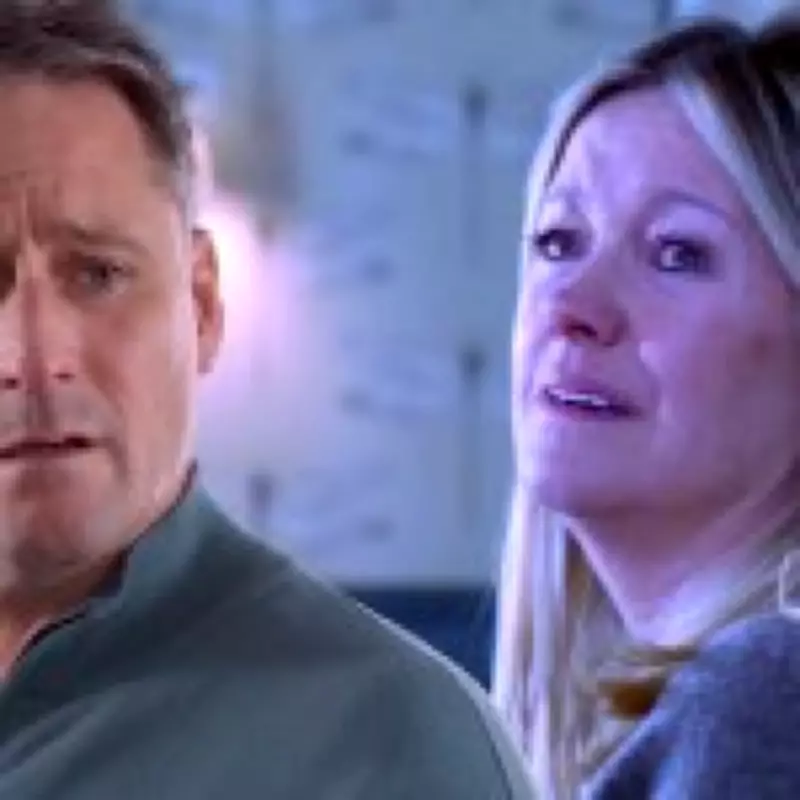
Earlier this week, pub landlady Diane was forced to deliver the crushing news to her husband Tony Hutchinson, played by Nick Pickard, that she has approximately six months to live following a Stage 4 cancer diagnosis. The couple, who remarried just last year after decades of on-again, off-again romance, faced the grim reality together in tearful scenes that left Tony emotionally shattered.
Tony's immediate reaction was one of desperate denial. The legendary show chef, unable to contemplate life without his beloved Diane, insisted there must have been a medical error. He made a beeline for Dee Valley Hospital, demanding to speak with the consultant directly and adamantly proclaiming that Diane must have been misdiagnosed. His refusal to accept the prognosis led him to book a private appointment with what he believed to be the best consultant in the country, determined to secure a second opinion that would offer hope.
Alcohol Returns as a Coping Mechanism
Meanwhile, Diane processed the devastating news in a dramatically different way. When Tony returned home to share his plans for seeking additional medical opinions, he discovered his wife with a glass of wine in hand—a sight that horrified him given Diane's well-documented history of battling alcoholism over many years.
Diane explained that she had felt profoundly lonely throughout the day and was struggling to comprehend her diagnosis. She made it clear that if her time was indeed limited, she intended to enjoy what remained of her life, even if that meant temporarily turning to alcohol to "forget about everything" for a few hours.
Tony's concern was palpable. He feared this single drink might trigger a full-blown relapse for Diane, who has worked hard to maintain her sobriety. In a surprising move, Tony decided to close the downstairs pub so they could share drinks together, perhaps hoping to monitor her consumption and provide support.
Family Intervenes as Secrets Unravel
The situation escalated when their children—Ro, Ant, and Dee Dee—returned home and were horrified to witness their mother drinking. In a panicked attempt to cover their tracks, Tony began explaining they had bad news to share, but before he could reveal Diane's diagnosis, a terrified Diane blurted out that their uncle Dom was the one suffering from cancer.
This lie created immediate complications. Ro was heartbroken by the news about Dom, but his concern quickly shifted back to his mother's drinking, which he recognized as potentially signaling the beginning of a serious relapse. Feeling guilty about both her deception and her actions, Diane assured Ro that she wasn't going anywhere, though the emotional weight of her secret diagnosis clearly weighed heavily on her.
A Shift Toward Hope and Medical Intervention
Ultimately realizing that alcohol wasn't providing the answers she sought, Diane made a pivotal decision. She announced plans to seek a second opinion at a London clinic, acknowledging that her children still needed their mother and expressing determination to explore every possible medical avenue. This shift offered a glimmer of hope amid the darkness of her prognosis.
The episode leaves viewers with several pressing questions: Will Diane's children discover the truth about her cancer battle? How will Tony cope with both his wife's diagnosis and her temporary return to drinking? And what consequences will arise from Diane's lie about uncle Dom's health?
These dramatic developments showcase Hollyoaks' continued commitment to tackling difficult real-world issues through compelling storytelling, blending medical drama with family dynamics and addiction narratives in ways that resonate with audiences.