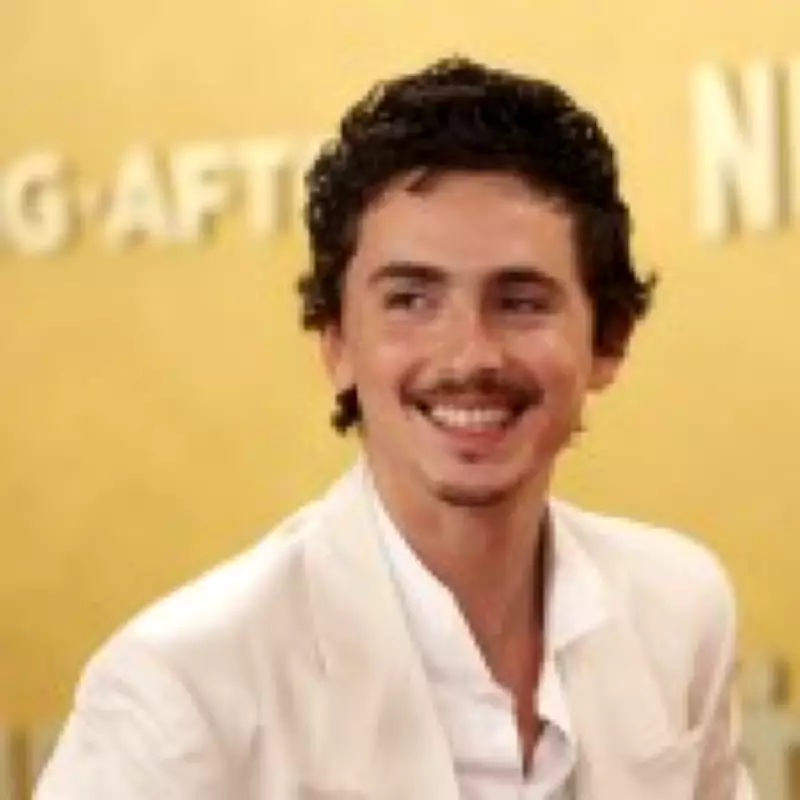
In a surprising twist of cultural fate, Hollywood star Timothée Chalamet has inadvertently become an unlikely champion for ballet and opera in the United Kingdom. The actor's controversial comments earlier this year, in which he dismissed these classical art forms as irrelevant, have sparked an unprecedented public response that has translated into significant ticket sales increases for major institutions.
The Controversial Comments That Started It All
During a conversation with fellow actor Matthew McConaughey in February, Chalamet made headlines by declaring that "nobody cares" about ballet and opera. The Dune star expressed reluctance about working in what he perceived as a fading art form, stating he didn't want to be "trying to keep this thing alive." These remarks immediately ignited widespread criticism across the entertainment industry and cultural sectors.
Celebrity Backlash and Industry Response
The backlash was swift and substantial, with numerous celebrities coming to the defense of these centuries-old art forms. Singer Doja Cat publicly celebrated ballet and opera's 400-year history as vital to human culture. Actress Jamie Lee Curtis questioned why any artist would criticize another art form, while Laura Benati humorously noted Chalamet might "be singing a different tune when the live arts are all that's left after AI takes over."
Rather than issuing a formal, defensive statement, the Royal Ballet and Opera took an innovative approach to the controversy. Sir Alex Beard, chief executive of RBO, explained their strategy to The Times: "I thought it important that we didn't issue a kind of hoity-toity response to Chalamet." Instead, the organization turned to social media platforms like TikTok and Instagram with a simple, open invitation for the actor to reconsider his position.
The Social Media Strategy That Changed Everything
The RBO's response was remarkably measured and effective. Their social media campaign directly addressed Chalamet while highlighting the vibrant reality of contemporary ballet and opera audiences. "We simply said 'Take a look at what we're doing, mate' – for instance, the fact that the largest portion of our audience by age is 20 to 30-year-olds," Beard revealed.
The results were nothing short of spectacular. The organization's Instagram post alone generated two-and-a-half million engagements and half a million shares. More importantly, this digital conversation translated directly into increased ticket sales, creating what Beard described as a "fantastic" public reaction to Chalamet's original comments.
Global Ripple Effects
The impact extended far beyond London's Royal Opera House. Cultural institutions worldwide joined the conversation, demonstrating the global vitality of ballet and opera. The Seattle Opera cleverly offered discount tickets using the code "Timothee" for performances of Carmen. Even Chalamet's alma mater, LaGuardia High School, felt compelled to respond, with its principal emphasizing that they do not "rank art forms."
This coordinated response from the cultural community served as powerful evidence contradicting Chalamet's assertions about these art forms' declining relevance. The controversy highlighted how ballet and opera continue to influence contemporary culture across theater, film, music, and fashion.
Broader Cultural Implications
The episode revealed several important truths about the current state of performing arts. First, it demonstrated that classical art forms maintain significant appeal among younger audiences, contrary to popular assumptions about generational preferences. Second, it showed how social media can serve as a powerful tool for cultural institutions to engage with contemporary conversations and audiences.
Some observers even speculated that the controversy might have affected Chalamet's Oscar campaign for Marty Supreme, though the film ultimately received no awards despite nine nominations. The cultural conversation sparked by his comments proved more enduring than any single awards season narrative.
As the dust settles on this unexpected cultural moment, one thing remains clear: Timothée Chalamet's comments, while initially controversial, have ultimately served to highlight the enduring vitality and contemporary relevance of ballet and opera. The surge in ticket sales and public engagement suggests that, far from being dying arts, these classical forms continue to resonate powerfully with audiences across generations.