London is renowned for its vibrant and diverse nightlife, yet the city's nocturnal economy has faced significant challenges over the years, including the pandemic and economic recessions. A recent report by the Night Time Industries Association (NTIA) underscores the devastating effects of the cost of living crisis and the pandemic, revealing that 3,011 nighttime businesses in the London region closed between March 2020 and December 2023. Specifically, in the city of London, 1,608 businesses shut their doors during this period.
Nostalgic Look at London's Lost Nightclubs
During the 2000s, numerous beloved venues closed due to factors ranging from crime to gentrification. Here, we take a nostalgic journey back to 10 of the capital's most notorious nightclubs that have sadly ceased operations.
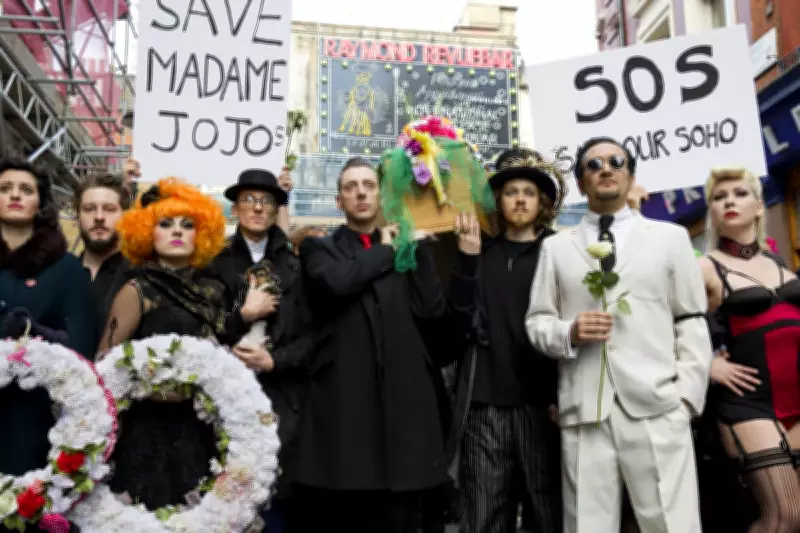
1. Madame JoJos, Soho (1960-2014)
Originally owned by porn baron Paul Raymond, Madame JoJo's began as a burlesque club and later became a cornerstone for Central London's fringe-culture community. Its licence was revoked in 2014 following a serious incident of disorder, marking the end of an era for this iconic venue.

2. Four Aces Club, Dalston (1966-1998)
The Four Aces was a pioneering music club in Dalston, one of the first to feature music rooted in African and Caribbean cultures in the 1960s. By the 1990s, it evolved into a hub for the early indoor rave scene, where bands like the Prodigy made their debut. Despite community efforts to save it, the club closed in 1997 due to a compulsory purchase order from Hackney Council.
3. The Astoria, Soho (1976-2009)
Located on Charing Cross Road, The Astoria was London's largest live music club for many years, hosting legendary acts such as Oasis, Manic Street Preachers, and Nirvana. The historic venue was demolished in 2009 to make way for the Elizabeth line, leaving a void in the city's music scene.
4. The Fridge, Brixton (1981-2010)
Boy George was a regular at The Fridge when it first opened, and it gained fame for nights hosted by Soul II Soul. The club closed in March 2010, later reopening as Electric Brixton in September 2011, but its original incarnation remains a cherished memory for many.
Impact on London's Night Time Economy
The closure of these venues highlights broader trends affecting London's nightlife. The NTIA report emphasizes how economic pressures and public health crises have reshaped the landscape, with thousands of businesses struggling to survive. Gentrification and urban development have also played roles, as seen with The Astoria's demolition for infrastructure projects.
As we reflect on these lost nightclubs, it's clear that they were more than just entertainment spots; they were cultural landmarks that defined eras and communities. Their stories serve as a reminder of the ever-changing nature of city life and the importance of preserving cultural heritage in the face of progress.