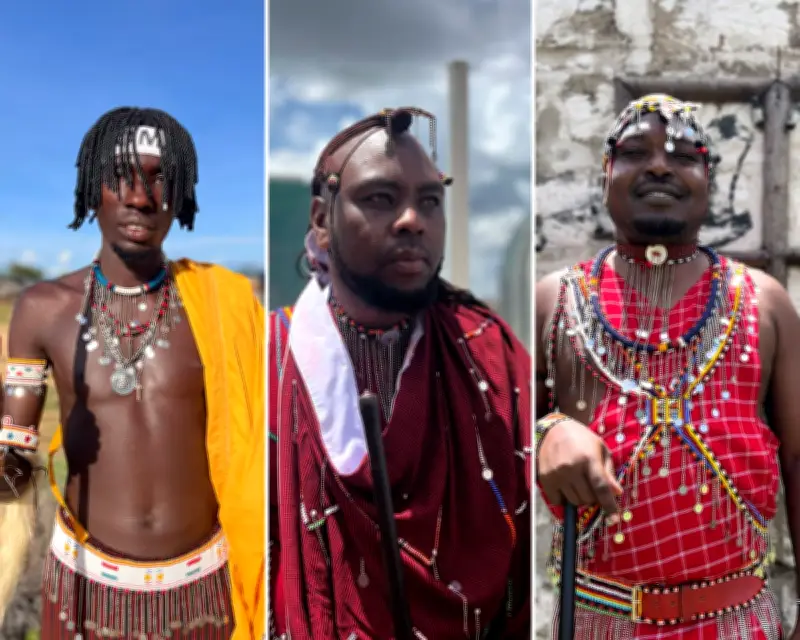
A vibrant revival of Maasai music, characterized by beat-driven tracks that blend traditional chants with contemporary rhythms, is drawing young Kenyans back to their cultural roots, according to artists and community leaders involved in the movement.
Blending tradition with modernity
The new wave of Maasai music incorporates elements such as the enkutoto (a traditional horn) and call-and-response vocals, fused with electronic beats and hip-hop influences. Artists like Naserian and the group Olosho are pioneering this sound, performing at venues across Nairobi and rural Maasailand. Naserian, a 28-year-old singer from Kajiado County, said, “We want to show that Maasai culture is not static; it can evolve and speak to young people today.”
According to a recent report by the Kenya Music Industry Association, streaming of Maasai-inspired tracks increased by 40% in 2025 compared to the previous year, with a significant portion of listeners aged 18 to 35. This surge reflects a broader trend of cultural reclamation among Kenyan youth, who are increasingly seeking authentic connections to their heritage amid rapid globalization.

Preserving language and traditions
The revival is also seen as a tool for preserving the Maa language, which UNESCO lists as vulnerable. Many young Maasai in urban areas have lost fluency in their ancestral tongue. “Music is a powerful way to teach language and values,” said elder Samuel ole Tipis, a community leader from Narok. “When young people sing along, they learn the words and the stories behind them.”
Workshops and festivals dedicated to Maasai music have sprung up in towns like Kajiado and Narok, attracting hundreds of participants. The annual Maasai Music Festival, now in its third year, drew over 5,000 attendees in 2025, double the number from its inaugural event. Organizers report that 60% of attendees were under 30.
Economic and social impact
The movement has also created economic opportunities for young Maasai artists, who are gaining visibility on digital platforms like Spotify and YouTube. Some have secured brand endorsements and performance contracts. “It’s not just about culture; it’s about livelihoods,” noted Kenyan music journalist Wanjiku Mwangi. “These artists are proving that traditional music can be commercially viable.”
However, some elders express concern that modern adaptations may dilute sacred traditions. “We must ensure the core values are not lost,” said Tipis. Artists counter that they are collaborating with elders to maintain authenticity while innovating. “We consult with our grandparents to get the chants right,” Naserian added. “It’s a dialogue between generations.”
The revival is part of a wider resurgence of indigenous cultures across Africa, with similar movements in Nigeria, South Africa, and Ethiopia. As young Kenyans embrace their Maasai heritage through music, they are reshaping what it means to be Maasai in the 21st century.