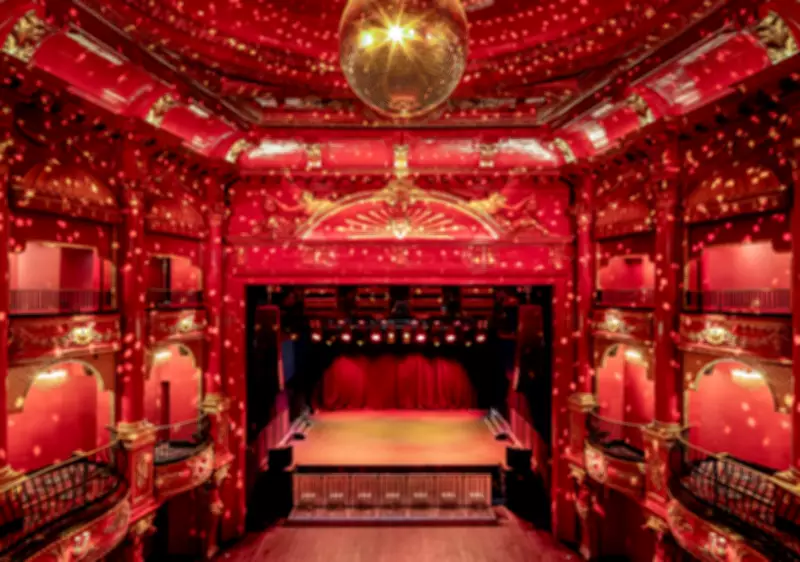
Koko, the iconic Mornington Crescent theatre, celebrates its 125th birthday this week. Owner Olly Bengough reflects on the venue's illustrious past and exciting future, emphasizing the power of music to unite people. "In a world where there is so much division, music brings people together," he says. "A Monday night in London with 1,500 people singing the same song together, from all backgrounds, sharing in what the artist has created – those moments are special."
A Storied History
Opened as the Camden Theatre in 1901, Koko has hosted legends from Ellen Terry to Madonna. Victorian actress Ellen Terry made it a home, followed by Charlie Chaplin in the 1920s, and the BBC from 1945 to 1975, recording shows like Hancock's Half Hour and The Goon Show. The Rolling Stones performed in 1963, shifting the venue's focus to live music. The 1970s brought ACDC, The Clash, Iggy Pop, and the Sex Pistols. In the 1980s, Madonna performed her first London show here, alongside George Michael and Duran Duran.
Revival and Modern Era
Olly Bengough took over in 2002, seeing potential in the dilapidated venue. After a rocky start, Coldplay launched their album X&Y in 2005, followed by Madonna's Confessions on a Dance Floor launch. Koko became a hub for indie music with Club NME, and Amy Winehouse performed Back to Black here 20 years ago. Today, the venue features three spaces: a 1,500-seat theatre, a 60-seat jazz club, and a 150-capacity cafe, nurturing new talent like Olivia Dean.

Cultural and Economic Impact
Bengough highlights Koko's role in the creative economy: "The creative industries generate 13 per cent of our national income, and it could be 20 per cent. That is huge." He believes Koko embodies a rebel spirit, distinct from West End theatres. "People want to tap into that energy – there is something definitely in the walls of this building."
As Koko marks 125 years, it continues to inspire artists and audiences alike, proving that music, art, and culture are vital for community and economic well-being.