Courtney Barnett's Desert Transformation: From LA Limbo to Musical Renewal
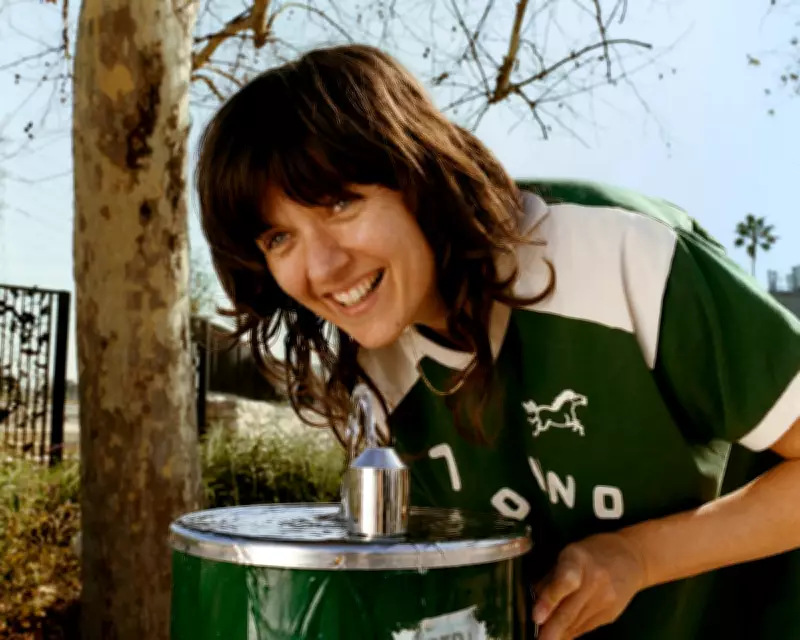
In the transformative early months of 2024, Grammy-nominated Australian musician Courtney Barnett found herself navigating profound personal and professional transitions. Having relocated from Melbourne to Los Angeles, Barnett was living in temporary sublets while simultaneously winding down Milk! Records, the independent label she co-founded over a decade earlier. This period of disorientation became the creative catalyst for her fourth studio album, Creature of Habit.
The Desert Sanctuary: Joshua Tree's Creative Influence
Seeking clarity amidst life's upheavals, Barnett decamped to Joshua Tree for close to a year, embracing the desert's vast silence as her creative sanctuary. "It felt like the end of a chapter, and then the next chapter kind of began without me totally realizing," Barnett reflects on this pivotal transition. The desert environment provided the physical and mental space she needed to "make a lot of noise" creatively, marking a significant departure from the more restrained sound of her 2021 lockdown-inspired album Things Take Time, Take Time.
Georgia O'Keeffe's Enduring Inspiration
During her desert sojourn, Barnett developed a deep fascination with American artist Georgia O'Keeffe, who similarly found creative renewal in desert landscapes. Barnett immersed herself in O'Keeffe's world, collecting numerous books about the painter's life and work, including A Painter's Kitchen: Recipes from the Kitchen of Georgia O'Keeffe. This cookbook became particularly meaningful, with Barnett consulting it when preparing meals for her band during recording sessions.

The connection between the two artists deepened when Barnett performed at Ghost Ranch, O'Keeffe's former New Mexico home. There, she encountered the very record player where O'Keeffe would listen to music with intense focus, translating auditory experiences into visual art. This historical resonance felt like "this strange, beautiful sign from the universe" for Barnett, bridging artistic generations through shared desert inspiration.
Creative Breakthroughs and Personal Evolution
The album's title track Mantis exemplifies Barnett's creative process in the desert. What began as a years-old synth-and-drum demo from collaborator Stella Mozgawa initially frustrated Barnett, who felt she was "banging [her] head against the wall" trying to develop lyrics. The breakthrough came unexpectedly when Barnett spotted a praying mantis in the desert, interpreting the encounter as a cosmic sign that she was on the right creative path.
Back in Los Angeles, Barnett continues to challenge her own habits through new experiences like surfing lessons and pottery classes. These activities, pursued without expectations of perfection, have helped her maintain the creative openness discovered in the desert. A particularly meaningful change has been adopting a dog, which Barnett says has helped her interact more comfortably with neighbors and "brought me out of my shell just a little bit."
Album Themes and Musical Direction
Creature of Habit opens with the synthy thrum of Stay in Your Lane, which addresses Barnett's transitional period with characteristically blunt self-assessment: "Feels like I'm going backwards / Each day I preach my practice / And still it seems I wasn't ready for this." The album concludes with Another Beautiful Day, featuring Mozgawa's rhythmic drums and Barnett's layered falsetto as she grants herself permission to "put yourself first sometimes."
Barnett describes the album as representing a door being "kicked off its hinges" compared to her previous work. The music demonstrates new confidence and cheekiness, even as the lyrics remain characteristically self-effacing. Early live performances of tracks from Creature of Habit occurred in intimate venues like Melbourne's Punters Club, where Barnett appreciated the immediate connection with audiences compared to larger stadium shows.

Artistic Confidence and Future Directions
Throughout the album's creation, Barnett learned to trust her artistic instincts completely, even when it meant extending self-imposed deadlines and resisting external opinions about when songs were complete. "It nearly drove me mad," she admits. "But now I love this album. I love the songs. I really love how it all sounds. And that is a very good feeling: that there's not even a little regret on there."
As Barnett continues her musical journey, the image of her in Joshua Tree merges with that of O'Keeffe in Abiquiú—two artists finding creative rebirth in desert landscapes, waiting patiently for habits to transform into inspired ideas. Through solitude, historical connection, and personal evolution, Barnett has crafted an album that captures both the uncertainty of transition and the hard-won optimism of artistic renewal.