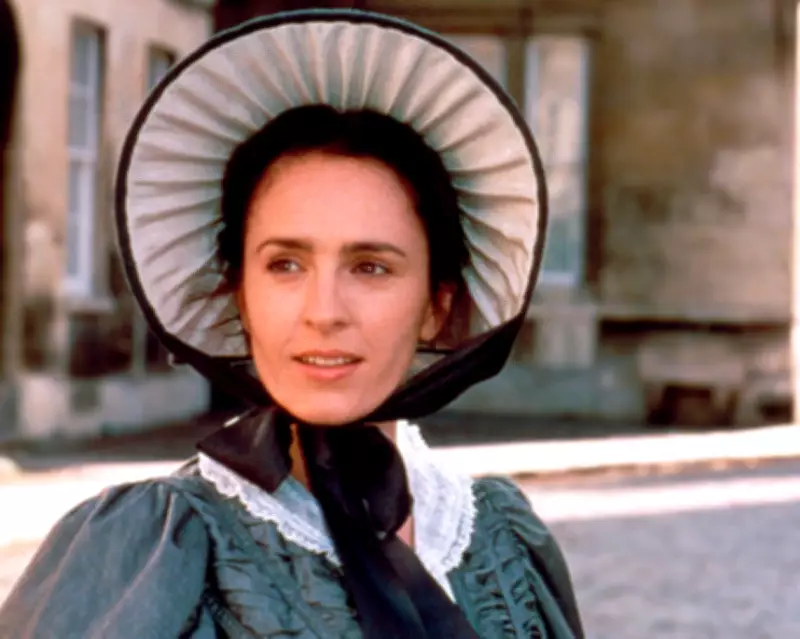
George Eliot's Middlemarch, a sprawling portrait of 19th-century provincial life, has been voted the greatest novel of all time in a Guardian poll of writers, academics, and critics. The 900-page masterpiece, first published in instalments in 1871 and 1872, continues to captivate readers with its profound exploration of human nature and society.
A Novel for Grown-Up Readers
Virginia Woolf famously declared Middlemarch “one of the few English novels written for grown-up people.” Henry James praised its scenes as among the most intelligent in English fiction, while Martin Amis, over a century later, called it “a novel without weaknesses.” This universal acclaim underscores the novel's enduring relevance.
Redefining the Marriage Plot
Eliot upends the traditional marriage plot established by Jane Austen. The novel begins with a deeply unhappy marriage, as 19-year-old Dorothea Brooke—a young woman with “a passionate desire to know and to think” and a longing “to lead a grand life here—now—in England”—mistakenly marries the desiccated scholar Casaubon. Another disastrous marriage follows between the ambitious doctor Tertius Lydgate and the vain Rosamond Vincy.
A Changing World
Set 40 years before its publication, just before the Reform Act of 1832 and the arrival of railways, Middlemarch captures England on the brink of change. The enfranchisement of the middle classes and the end of an old order form the backdrop. Eliot's characters yearn to change the world, but instead, the world changes them as their ideals confront reality.
Shaping Female Interiority
By placing an intelligent, high-minded young woman at the centre of her novel, Eliot reshaped English-language fiction. Dorothea Brooke paved the way for characters like Henry James's Isabel Archer and Virginia Woolf's Mrs Dalloway and Mrs Ramsay. The lineage continues to contemporary novels by Sally Rooney, which explore female interiority with a similar depth.
Empathy as a Moral Force
Eliot herself acts as a wise, gracious voice in the novel, breaking the fourth wall to guide readers. For her, shifting point of view was a moral obligation, not just a literary technique. Empathy, an overused term today, was nearly a religion for Eliot. Having lost her faith, she found divinity in true fellow feeling.
Not Just Moralising
While some mistake Eliot's moral seriousness for moralising, Middlemarch is far from dull. Though admired, Eliot is not held with the same affection as Austen or Dickens, and her novels do not lend themselves as readily to TV or film. Yet the magic of the 19th-century realist novel lies in succumbing to its world for hundreds of pages—a joy when reading Eliot's masterpiece.
Timeless Lessons
The backdrop of local elections and national uncertainty feels particularly timely, as do the novel's lessons on sympathy and tolerance. As Amis observed, “it renews itself for every generation.” Middlemarch is a novel about what it means to be good, and readers emerge from it changed. It celebrates the quiet heroism of unremarkable lives, those who “rest in unvisited tombs,” as the melancholy last line has it. With Middlemarch, Eliot showed what a novel could do.