Massive Ancient Shipwreck Graveyard Discovered Near Gibraltar
Archaeologists have made a stunning discovery off the coast of southern Spain, uncovering a shipwreck graveyard containing more than 130 sunken vessels spanning over two millennia of maritime history. The remarkable finds, located in the waters between the port city of Algeciras and the iconic Rock of Gibraltar, represent one of the most significant underwater archaeological discoveries in recent memory.
A Timeline of Maritime History
The shipwrecks date from the fifth century BC through to World War Two, creating a comprehensive timeline of maritime activity in this strategically vital region. Over the centuries, the bay has claimed a diverse array of vessels, ranging from ancient Roman ships to more modern British and Spanish naval craft.
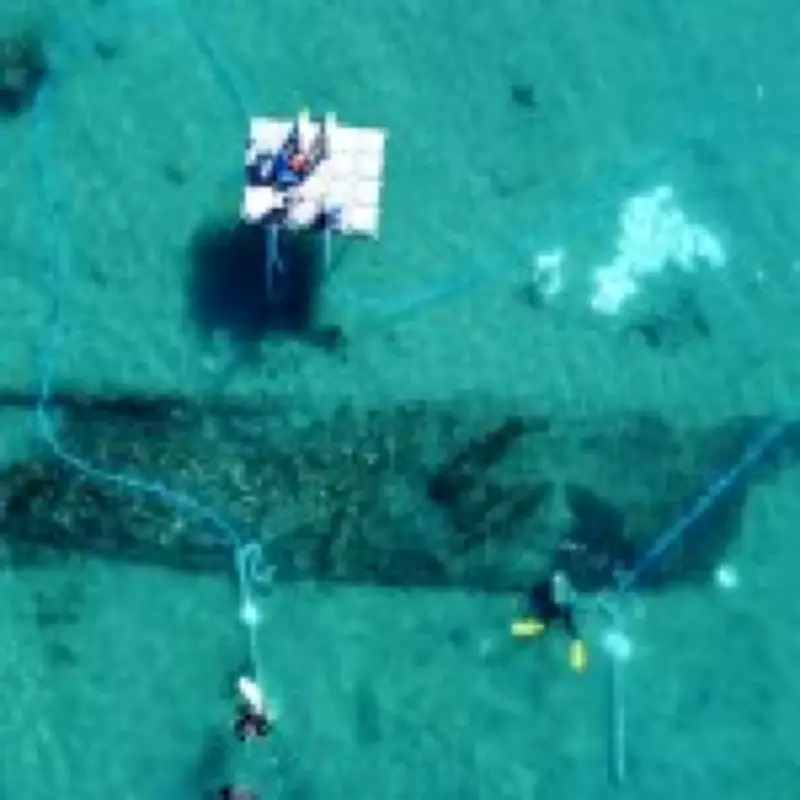
This extraordinary discovery forms part of a comprehensive three-year investigation led by the University of Cádiz, which has identified an impressive 151 archaeological sites within the bay. Among these sites, researchers have documented 134 distinct shipwrecks, with 34 of these wrecks already documented in meticulous detail.
Ancient to Modern Vessels
The oldest remains discovered include a Punic-era vessel dating back to the fifth century BC, providing a tangible connection to ancient Mediterranean civilizations. The collection also includes:
- 23 Roman ships from various periods
- Two vessels from the late Roman period
- Four medieval ships
- 24 ships from the early modern era
Felipe Cerezo Andreo, an archaeology professor at the University of Cádiz and lead investigator of the Project Herakles initiative, attributes the remarkable concentration of wrecks to the area's historical significance as a crucial maritime route. 'The bay of Algeciras and the Strait of Gibraltar have been and still are strategic places for navigation,' Andreo and his colleagues note in their research paper. 'Their status as a communication route between the Mediterranean and the Atlantic, as well as between Europe and Africa, has made them a landscape of great importance for maritime history at an international level.'
Notable Discoveries and Historical Context
Among the most significant finds is the wreck of the Puente Mayorga IV, a small Spanish gunboat from the late 18th century. These vessels played a crucial role in naval warfare, often disguising themselves as innocent fishing boats before revealing their weapons to launch fast, covert attacks on British warships operating near Gibraltar during periods of conflict.
Threats to Preservation and Conservation Efforts
The research team has issued warnings about the vulnerability of these archaeological treasures. Many of the sites face significant threats from port expansion projects, dredging operations, and coastal construction activities. Additionally, the effects of climate change pose serious challenges to preservation efforts.
Rising sea levels are altering sediment layers that have protected these wrecks for centuries, potentially exposing delicate remains to degradation. The spread of invasive algae species across wreck sites further complicates conservation efforts, threatening to obscure or damage these historical artifacts.
Virtual Exploration and Public Engagement
To raise awareness about these important discoveries and promote their preservation, researchers are developing innovative virtual models and creating immersive 360-degree videos. These digital tools will allow members of the public to explore the underwater sites without requiring specialized diving equipment or training, making this remarkable piece of maritime history accessible to a global audience.
The discovery represents not just a collection of sunken ships, but a tangible record of human history, trade, conflict, and navigation spanning more than two thousand years. As researchers continue their documentation and preservation work, this shipwreck graveyard promises to yield new insights into the complex maritime history of the Mediterranean-Atlantic gateway.