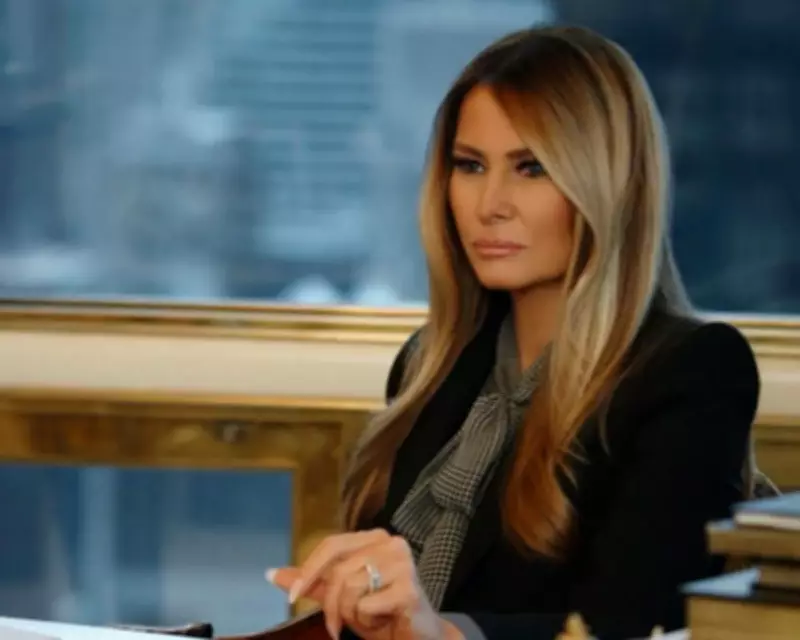
Melania Documentary Receives Critical Panning Despite Presidential Endorsement
The much-hyped documentary Melania has opened to scathing reviews and reportedly empty cinema seats across the United States, despite receiving glowing praise from former President Donald Trump. The film, which chronicles the life of the former First Lady, managed to gross approximately $7 million during its opening weekend, a figure that falls significantly short of its reported $75 million production and marketing budget.
Audience and Critical Reception Highlights Film's Shortcomings
Early screenings, including one at an AMC theatre in midtown Manhattan, were sparsely attended, with audiences largely consisting of journalists attempting to gauge public reaction. From the limited non-media viewers present, feedback was tepid at best. One attendee described their interest as merely wanting "to see how her life really is, at least to some extent," indicating a low bar for engagement with the subject matter.
Critics have been unanimous in their dismissal of the documentary, labelling it as "rubbish" and pointing to a fundamental lack of compelling content. The film struggles to present Melania Trump as a dynamic or interesting figure, instead depicting a series of awkward, stilted interactions with staff members. Conversations revolve around trivial matters such as scarf fittings and hat sizes, failing to deliver any substantive insight into her character or experiences.

Trump's Involvement and Contradictory Arts Policy
Donald Trump's vocal support for the film, including calling it "unforgettable" and "a must watch," stands in stark contrast to his administration's broader record on arts funding. Notably, the documentary's premiere was held at the Kennedy Center in Washington D.C. on January 29th, 2026. The event featured an unconventional guest list, including social media personalities, Florida socialites, and pardoned reality TV stars, alongside most of Trump's cabinet members.
In a move that underscores this contradiction, just three days after the premiere, President Trump announced the temporary closure of the Kennedy Center for two years. He stated the aim was to bring the venue to the "highest level of success, beauty, and grandeur," a plan many interpret as involving extensive renovations potentially including gold leaf and rebranding. This decision followed numerous performer cancellations and a significant drop in ticket sales after the center was rebranded as the Trump-Kennedy Center.
A Pattern of Arts Defunding and Cultural Intervention
The Kennedy Center announcement is not an isolated incident but part of a wider pattern of arts defunding and cultural intervention by the Trump administration. Records indicate the cancellation of over 1,000 grants to arts organisations, alongside cuts to museum funding and attempts to influence editorial content across various media outlets. The administration has also pursued legal action against television networks and hosts critical of its policies.
Architectural projects have not been immune, with the controversial bulldozing of the White House East Wing to construct a large ballroom, a move that sparked lawsuits from preservationists. Inside the White House, the Oval Office has been extensively redecorated with gold accents, while plans for a monumental arch nearby have been proposed.
Conclusion: A Film as Bland as the Policies It Emerges From
The Melania documentary ultimately reflects the broader cultural landscape shaped by the Trump administration: a piece of art that is as bland and insipid as the well-done steaks the former president famously prefers. In a twist of irony, this critically panned film appears to be the one form of artistic expression he actively champions, even as his policies systematically dismantle support for the wider arts sector. The juxtaposition of empty theatres, a floundering box office, and subsequent arts venue closures paints a vivid picture of the administration's complex and often contradictory relationship with culture and creativity.