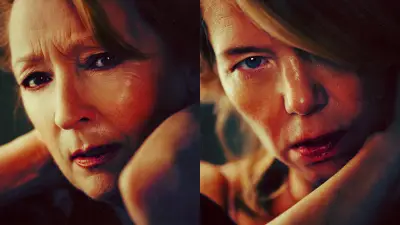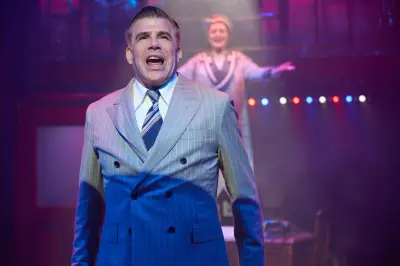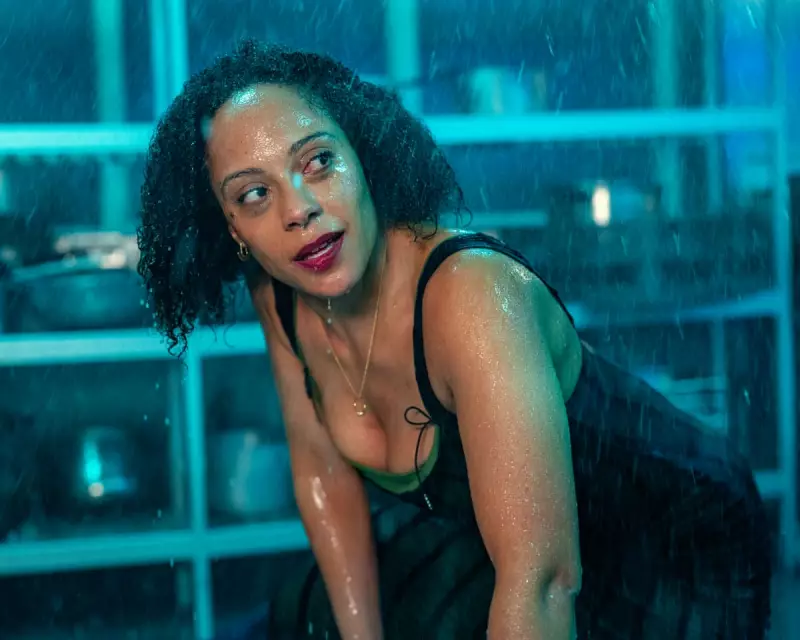
Harlan Coben, the American master of airport thrillers, has become a dominant force on Netflix. With a multi-year deal to adapt 14 of his novels, the streamer has unleashed a wave of pulpy, twist-laden series that have captivated – and often confounded – audiences. Despite their commercial success, these shows are frequently panned by critics, yet they hold a peculiar, low-art charm for many viewers.
The Coben Formula: Why We Can't Look Away
By any measure, Harlan Coben is a publishing phenomenon, with 35 novels and countless weeks on the New York Times bestseller list. His Netflix adaptations, however, occupy a unique space. They typically transplant his American suburban nightmares into English settings, featuring mysterious crimes, inept or corrupt police, and convoluted plots packed with reveals. A notable quirk is the recurring presence of actor Richard Armitage across several series.
Critics often deride the shows for their gaping plot holes and questionable acting, but fans argue they offer a refreshingly camp alternative to self-serious prestige television. The author's daughter, Charlotte Coben, scripts many adaptations, perhaps explaining a shared familial disregard for strict realism. If you're seeking a script that defies logic and performances that would never pass muster at RADA, the Coben-verse awaits.

The Ranking: From Guilty Pleasure to Unwatchable
Having endured them all, here is a definitive ranking of the English-language Harlan Coben adaptations, categorised from 'Bad' to 'Worse' to the outright 'Worst'.
Bad (The Enjoyably Silly)
Stay Close (2021) is classic Coben fare. It stars Cush Jumbo as Megan, a former exotic dancer with a reinvented life, whose past resurfaces with violent consequences. The plot is standard suburbia-gone-wrong, elevated by bizarre touches like assassin duo who perform a synchronised dance to Radiohead's 'Creep'. The twist in episode eight is surprisingly effective.
Fool Me Once (2024) features Michelle Keegan as Maya Stern, a steely former pilot investigating her husband's murder, only to see him appear on a nanny-cam. The real draw is Joanna Lumley's deliciously wicked turn as the sinister matriarch of a shady pharmaceutical empire.
Run Away (2026), released on New Year's Day, is televisual comfort food. Starring Minnie Driver and James Nesbitt, it involves a missing daughter, a private investigator, and endless twists. A solid cast makes this a cut above.
Safe (2018) is memorable chiefly for Michael C. Hall's notoriously bad British accent. Set in a gated community, it follows a surgeon searching for his missing daughter, uncovering corruption. The plot is so forgettable you might watch it twice without realising.
Worse (The Deeply Flawed)
The Stranger (2020) is riddled with plot holes, perhaps because Coben wrote the source novel in three weeks. A mystery figure reveals devastating secrets, leading to murder. It aims for thriller but often lands on comedy, exemplified by Jennifer Saunders' absurd death in a cake shop.
Shelter (2023) is a Prime Video release that throws everything at the wall: dead parents, missing kids, high school drama, queer storylines, sex trafficking, and even the Holocaust. The young cast is committed, but the overstuffed, tangential plotlines induce narrative whiplash.
Missing You (2025) finally offers a female lead, Detective Kat Donovan, though her character remains fixated on men from her past. It starts dull but descends into twisted British horror on a remote farm, featuring Steve Pemberton as a cattle-prod-wielding torturer.
Worst (The Unredeemable)
Lazarus (2025) stands as the absolute low point. This Prime Video original, not based on a Coben novel, follows 'Laz' (Sam Claflin) investigating family deaths with help from ghosts. Stripped of the usual camp flair, it's a dreary slog. The acting, pacing, and script are uniformly dreadful, with the most frightening element being a conspicuously bad wig. It's confusing, distressing, and utterly devoid of the guilty pleasure that defines the better-bad entries.

In the end, the appeal of a Harlan Coben adaptation lies in its commitment to high-stakes, low-art nonsense. They are all, to varying degrees, bad television. But on a cold evening, when your brain needs a holiday from quality, some are perfectly bad enough.