The Rain-Soaked Quest for Nike Air Max: Why Fans Queue for Hours
Today marks a national holiday that most employers won't grant a day off for: March 26 is Air Max Day, dedicated to the Nike shoes adored by sneakerheads, basketball players, style enthusiasts, and even dads across the globe. For Joe Parmley, a 24-year-old from Welwyn, Hertfordshire, this day holds special significance. He tells Metro that few trainers would compel him to wait three hours in the rain, but the Nike Air Max is an exception.
'I queued at Birmingham City's grounds for the limited run of the Undefeated x Nike 95 Birmingham trainers,' says Parmley, founder of Kicks N Coffee, a traveling festival. 'Despite it being a cold Tuesday night in December, the energy at the drop was electric. It really showed how powerful sneaker culture can be when a trainer is authentically rooted in place, identity, and shared experience.'
What Makes the Nike Air Max So Special?
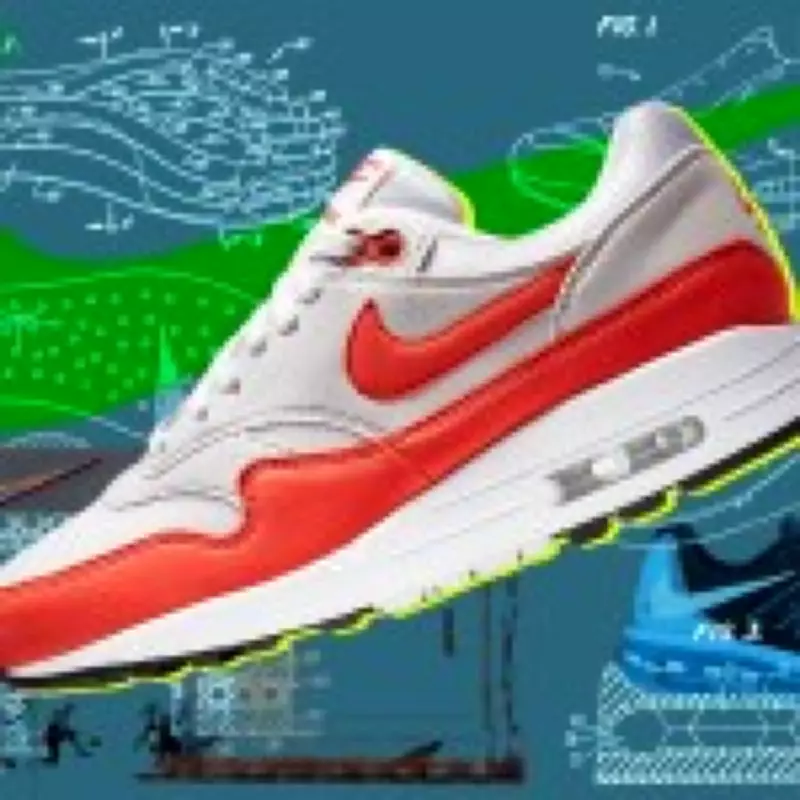
The Nike Air Max line is defined by its exposed air bubble cushioning, a revolutionary feature that sets it apart. The idea originated with Frank Rudy, a NASA aerospace engineer often dubbed the 'nutty professor.' While at the space agency, Rudy learned about blow molding, a technique using pressurized air to inflate plastic into hollow objects like bottles. In 1977, he pitched the concept of a shoe with a gassy membrane to Phil Knight, Nike's co-founder and CEO.
Knight recalled Rudy's pitch in his memoir, Shoe Dog, noting the skepticism it initially sparked. 'Air shoes sounded to me like jet packs and moving sidewalks. Comic book stuff,' Knight wrote. However, after a test run and dinner, Knight greenlit the project, though some Nike executives doubted it, comparing it to riding on see-through tires.
The Evolution from NASA to Street Icon
The first shoe to use this technology was the Nike Air Tailwind in 1978, but a defect in the silver dye led to a recall, threatening the line's future. Despite this setback, Nike persevered, and 39 years ago, the Air Max 1 debuted with an ad featuring the Beatles' song Revolution—a first for the band's music in a TV commercial. Designed by Tinker Hatfield, this model made the air unit visible from the outside, inspired by Paris's Centre Pompidou, an inside-out art museum.
Blair Cooper, creative director at Seen Studios, explains that Hatfield drew from the building's exposed blue pipes, which represent air conditioning. 'Visible air became a relatable motif for street culture,' she says, highlighting how subcultures worldwide, from UK rave to West Coast hip hop, have adopted and reinterpreted the Air Max.
Timeless Appeal and Air Max Day Celebrations
Daniel Fisher, UK general manager of online thrift shop Whatnot, attributes the line's success to its timelessness. 'It's one of, if not the most iconic and timeless sneaker silhouette,' he notes. 'It appeals to lifelong sneakerheads and first-time buyers alike, which is rare for any product, let alone one pushing 40.'
Nike declared March 26, 2014, as Air Max Day to commemorate the Air Max 1's anniversary, now a cornerstone of sneaker lore. Each year, Nike releases new lines, with this year's drops including the Nike Air Liquid Max, Air Max 95 Big Bubble, and collaborations like Patta x Nike Air Max 1. For fans like Parmley, braving the elements is a small price to pay for a piece of this enduring legacy.