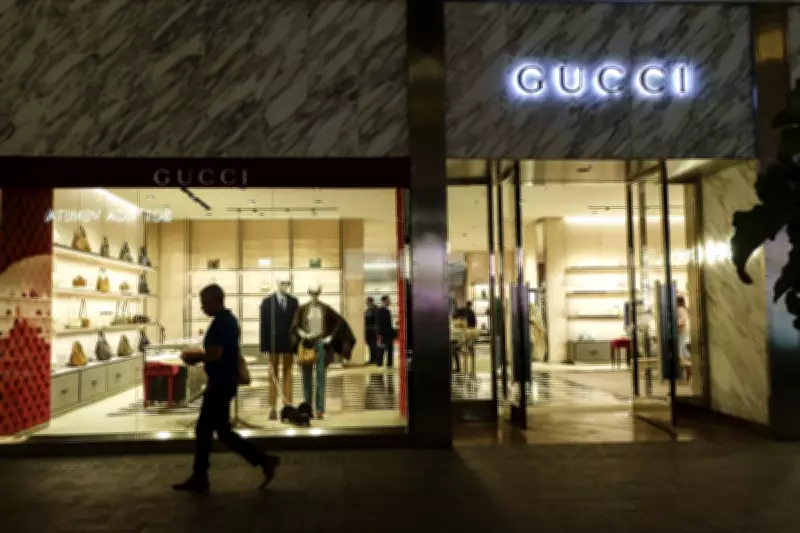
Gucci has ignited a significant controversy after deploying artificial intelligence to create promotional images for its upcoming showcase at Milan fashion week, with critics accusing the luxury fashion house of cutting corners and compromising its heritage. The Italian brand posted a series of glossy, stylized visuals on social media this week, some explicitly marked as 'created with AI', to tease creative director Demna Gvasalia's highly anticipated debut show scheduled for Friday.
Public Outcry Over Synthetic Imagery
Despite clear labeling, the AI-generated posts rapidly drew sharp criticism from followers and fashion enthusiasts who expressed deep concerns about how synthetic imagery aligns with Gucci's longstanding emphasis on craftsmanship and artisanal quality. One particularly vocal user responded to an image featuring an older woman in a vintage Gucci look by commenting, "Bleak days when Gucci can't find a real human Milanese grandmother." Others were even more direct, describing the visuals as "cheap" and derisively labeling them "AI slop," a term commonly used online to denote low-quality, mass-produced AI content.
Luxury Retail's Growing Embrace of AI Technology
Gucci's foray into AI-generated marketing is part of a broader trend within the fashion industry, as numerous luxury houses experiment with advanced technologies amid rising operational costs and mounting pressure to modernize their brand identities. Gucci has previously dabbled in digital art, commissioning AI-generated works that were later auctioned as NFTs by the prestigious Christie's auction house. In December, the brand released an AI-created runway video depicting photographers tumbling over one another in a chaotic scramble to capture a model.
However, the stakes are considerably higher when AI begins to replace human photographers, make-up artists, stylists, models, and entire production teams in core marketing campaigns. This is especially pertinent for a luxury brand like Gucci, whose handbags routinely retail for hundreds to thousands of pounds, positioning craftsmanship as a central selling point.
Expert Perspectives on Technology and Brand Image
Dr. Priscilla Chan, a senior lecturer at Manchester Metropolitan University's Fashion Institute, emphasized the delicate balance luxury brands must strike. "Luxury brands need to pay meticulous attention to whether the latest technology can genuinely create a positive and authentic image for their brand," she stated. Tati Bruening, a photographer widely known online as Illumitati, added a crucial distinction: "There is a significant difference between using AI to edit simple elements versus creating an entire image from scratch."
Valentino recently faced a strikingly similar backlash after posting its own AI-generated advertisements, which followers described as "lazy" and "embarrassing." A spokesperson for Valentino declined to comment on the criticism at the time, highlighting the sensitive nature of such technological adoptions in the luxury sector.
AI's Expanding Role in Fashion Retail
Meanwhile, on the high streets, major retailers are aggressively integrating AI into their operations. Zara has rolled out AI-generated models and introduced a virtual try-on feature, while H&M has announced ambitious plans to create digital twins of real models. According to a recent report by City AM, a staggering 69 percent of British retailers plan to invest heavily in AI-driven technology throughout 2026, primarily to reduce operational costs and streamline processes.
Earlier this month, City AM also revealed that Zara was utilizing AI to digitally alter images of human models on its e-commerce platforms. Models who had previously worked for the brand were contacted and asked for permission to have their photos digitally manipulated to dress them in new clothing collections, a move aimed at cutting costs associated with traditional photoshoots.
Broader Implications for Creative Jobs and Labor Markets
The rapid adoption of AI in fashion marketing and retail raises profound concerns about job stability within creative industries. The International Monetary Fund (IMF) recently predicted that AI will affect approximately 40 percent of jobs globally. Furthermore, LinkedIn reports suggest that by 2030, around 70 percent of jobs will be significantly transformed due to advancements in AI technology.
Roles involved in the production of e-commerce content, such as those at Zara, appear to be at the epicenter of this labor market shift. In these areas, AI gains directly translate into mass displacement, as automated systems replace human creatives. This technological transition forces a critical examination of how luxury and retail brands balance innovation with their ethical responsibilities to craftsmanship and employment.