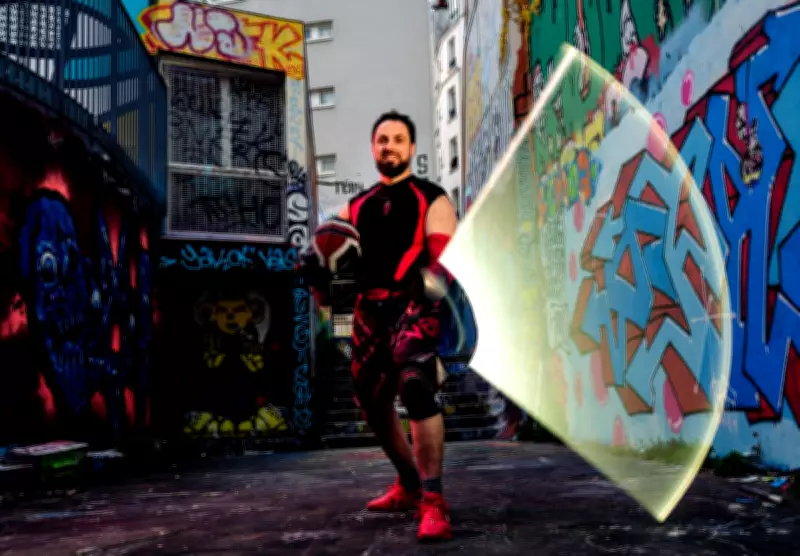
Sébastien Bérard grew up in the suburbs of Paris and began fencing at the age of five. He continued until he was about 22, then switched to running marathons. However, he found running too flexible and wanted a sport with more structure. After exploring options like canne de combat, a martial art using wooden canes, he heard a podcast about creating a fighting sport with lightsabers. He thought, “I’m a geek. I like Star Wars. I’ve done fencing. Let’s try it.”
That was 10 years ago, and he has never stopped. In 2019, the French Fencing Federation officially registered “lightsaber duelling” as a sport. Now, clubs exist in most major cities, with the Paris club boasting about 150 members. Most participants are not hardcore Star Wars fans but are attracted by the fun and unique nature of the activity.
Unlike combat sports like boxing, which rely on strength, lightsaber duelling is a precision sport. It is mixed-gender and does not emphasize masculinity or aggression. In fact, aggression is a poor strategy; defense is crucial before attacking. Points are lost when struck by an opponent’s lightsaber, making it highly strategic.
Some enthusiasts wear elaborate costumes and spin their lightsabers theatrically, but such showmanship leads to defeat. As Bérard notes, “If you turn your back to your opponent, you will take a strike. Unfortunately, we don’t have ‘the force’ like in the films.”
Lightsabers are purchased from dedicated stores and feature polycarbonate blades. While some replicate movie designs, Bérard uses custom 3D-printed sabers with specialized grips for better control. Competitions range from regional events with 40–50 fighters to the French Open, which attracts about 500 spectators and 80–90 participants from across Europe. Bérard has won approximately 40 tournaments, keeping significant medals in his office and giving others to his children.
Though there is no official world ranking, Bérard has been Europe’s number-one ranked player for as long as he can remember. He attributes his success to his fencing background and rigorous training. However, the sport’s level is rising, and even the top eight fighters face tough matches. At 40, Bérard acknowledges the increasing difficulty but emphasizes the strong community among competitors, many of whom train together.
Bérard works in the foreign exchange market and earns a good income. He does not keep prize money; smaller winnings fund post-competition gatherings, while any amount over €1,000 is donated back to the sport. Lightsaber duelling is still new but growing rapidly, with clubs emerging worldwide and livestreamed tournaments attracting thousands of viewers. Even his colleagues have started attending events to support him.
Reflecting on his journey, Bérard says, “Who could have imagined when I started fencing at five that I would end up the lightsaber champion of Europe? It might look a bit silly to some, but it’s skilful, fun and a sport like no other.”