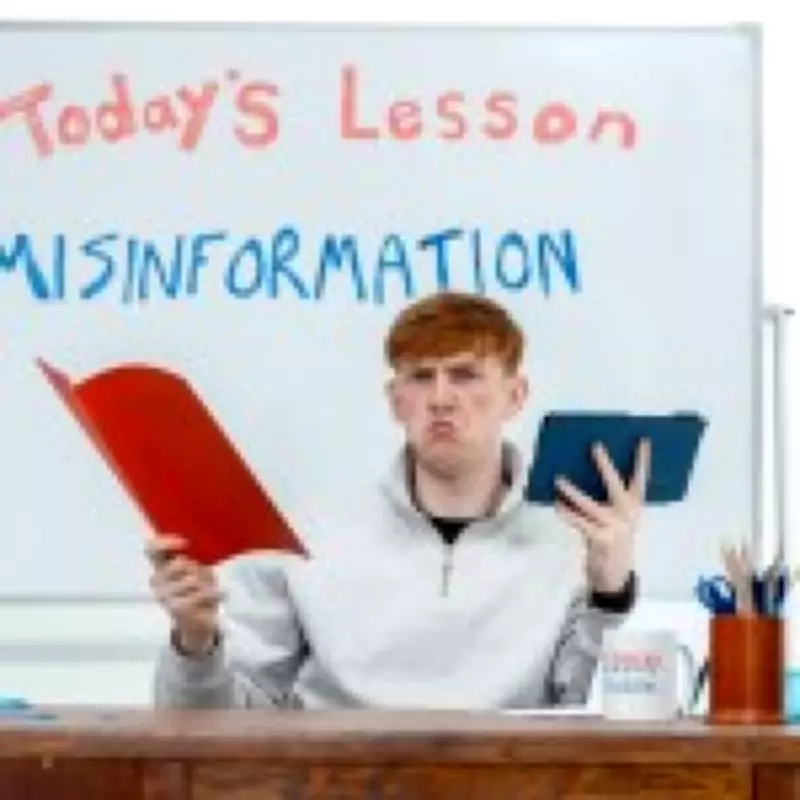
Angry Ginge Exposes Deepfake AI Video Scam During Jungle Competition
Morgan Burtwistle, widely known as Angry Ginge and winner of I'm A Celebrity, has publicly revealed that he became the victim of sophisticated deepfake AI videos while competing in the reality television jungle. The 24-year-old social media influencer and YouTuber explained that artificially generated clips depicting him with a fabricated girlfriend circulated widely on social media platforms, deceiving numerous fans who subsequently bombarded him with inquiries about the non-existent romantic relationship.
Educational Partnership Launched to Combat Digital Deception
In response to this alarming personal experience, Angry Ginge has now formally collaborated with telecommunications provider Tesco Mobile and online safety organization Internet Matters to develop a comprehensive educational initiative aimed at teaching children about the potential dangers of manipulated digital content and fake videos. The campaign specifically targets young internet users who may lack the critical thinking skills necessary to distinguish between authentic and artificially generated media.
'I've received countless messages from fans who genuinely believed these AI-generated clips were real footage of me,' Angry Ginge stated emphatically. 'It's genuinely frightening to witness how convincing this technology has become and how easily people can be misled if they don't actively question the authenticity of what they encounter online.'

The influencer further emphasized the responsibility that content creators bear toward their younger audiences, noting: 'With so many young followers regularly consuming our content, influencers have an important duty to help children understand what constitutes real versus altered online material. We serve as trusted voices for this demographic, and we must leverage that trust responsibly.'
Practical Guidance for Parents and Educators
Rachel Huggins, Chief Executive Officer at Internet Matters, has provided concrete, actionable advice for parents and caregivers seeking to help children identify and avoid spreading misinformation:
- Pause Before Sharing: Encourage children to stop and carefully consider content before reacting or redistributing it online
- Question Content Authenticity: Teach young users to recognize potential red flags including edited images, sensational headlines, or content that appears too perfect to be genuine
- Verify Sources: Instruct children to examine who created the content, when it was published, and whether reputable sources are reporting similar information
- Collaborative Fact-Checking: Work alongside children to verify questionable content, thereby building their confidence and digital judgment capabilities
- Open Communication: Create an environment where children feel comfortable discussing confusing or upsetting online content with trusted adults
Families can access Digital Matters, a free resource featuring interactive stories specifically designed for children aged 9-11 years. These educational tools address various digital literacy topics including identifying fake content and utilizing artificial intelligence responsibly.
Substantial Financial Investment in School Technology
As a central component of this awareness campaign, Tesco Mobile is distributing £200,000 in educational grants to primary schools throughout Britain. These funds will support investments in classroom technology, specialized resources, and professional training programs focused on enhancing online safety education for young students.
This initiative follows newly published research indicating that 72% of parents have needed to correct their children after they believed false information encountered online. Alarmingly, approximately 25% of parents admitted lacking confidence in their ability to help identify AI-generated fake content.

Concerning Statistics on Child Misinformation Spread
The Tesco Mobile survey revealed troubling data about how children interact with questionable content: 54% of parents reported that their children had inadvertently spread misinformation through their personal social media channels, while 42% indicated that false information had been shared in educational settings including classrooms and playgrounds.
Clinical psychologist Dr. Martha Deiros Collado, who is supporting the campaign, explained the psychological vulnerability of younger internet users: 'Children are naturally more susceptible to misinformation because their critical thinking abilities are still developing. When convincing AI-generated images, videos, or narratives appear in their digital feeds, distinguishing fact from fiction becomes exceptionally challenging. Repeated exposure to misleading content can generate significant confusion and anxiety among young audiences.'
Dr. Deiros Collado added: 'Educational initiatives like this one provide essential tools for parents and primary schools to support young people in developing the skills to pause, question, and think critically about their online experiences.'
Corporate Commitment to Digital Safety
Sally Marriott, Chief Technology Officer at Tesco Mobile, emphasized the company's dedication to this cause: 'As a parent myself, I witness daily how rapidly the digital landscape evolves and how crucial it is that we equip children to navigate this environment safely. Our partnership with Internet Matters and the £200,000 in school grants represent our commitment to providing pupils with the necessary tools to question online content, understand artificial intelligence functionality, and maintain safety while exploring digital spaces.'
Marriott concluded: 'Through this collaborative effort, we're ensuring that the next generation can enjoy technological benefits with enhanced confidence, resilience, and awareness.'
Families, educators, and schools can now access a specially produced online safety film featuring Angry Ginge, which will also be screened in primary schools nationwide as part of this comprehensive digital literacy campaign.