Siri Hustvedt on Life After Paul Auster: A Journey Through Grief and Memory
I am alive. My husband, Paul Auster, is dead. He passed away on April 30, 2024, at 6:58 PM in our Brooklyn home, where I now write these words. Paul was diagnosed with non-small cell lung cancer in January 2023, but the first signs appeared earlier, in November 2022, when a CT scan at Mount Sinai West hospital revealed a mass in his right lung.
We all face mortality, but only some confront the imminent end of life. I often imagined living without Paul, picturing myself walking alone through our house, immersed in grief. If your father dies, I told our daughter, Sophie, I will lose my every day. What I never anticipated was how time would become utterly deranged after his death.
The Disorientation of Loss
Days blur into weeks; I remember it's May, then forget. Hours leap forward while minutes crawl. I cling to calendars and clocks, those reliable yet fictional markers, but their regular beats make little sense. Without constant checks, I fear losing my orientation, stumbling, or floating away ungrounded.
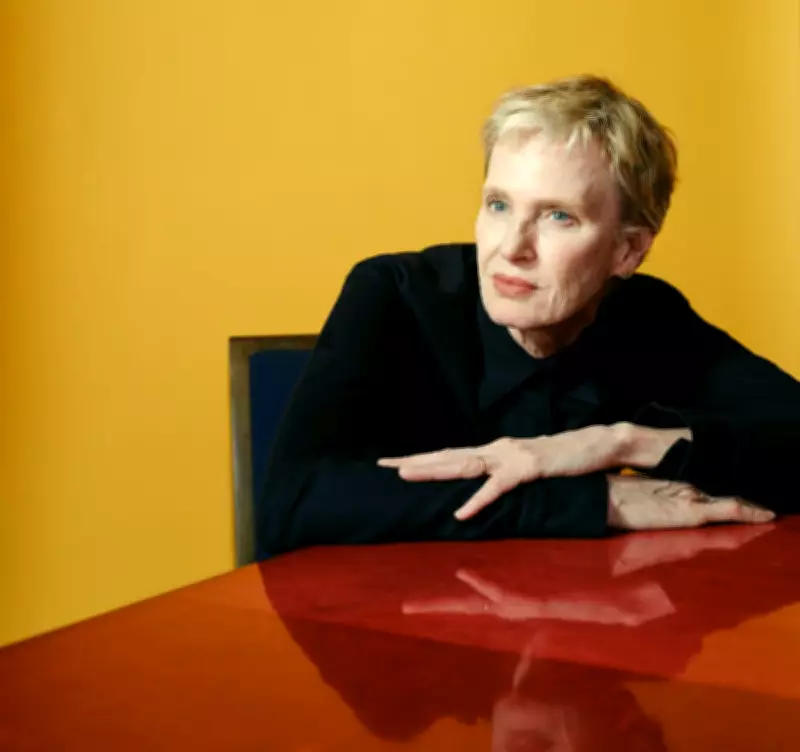
Physically, I struggle. My breath catches, my heart races in bursts, pains flare between my ribs, and my nerves buzz with electric shocks. Sleep comes only with pills. I pick up objects, only to abandon them, leaving piles of unfinished tasks. On the red dining table, unopened condolence letters accumulate. I cannot bear to read them today. Tomorrow, perhaps.
Tomorrow arrives. I open the letters, but the words often blur. Short, kind messages are manageable; lengthy, handwritten pages from strangers overwhelm me. Paul belonged to them in some way, but the connection eludes me.
Cleaning as Control: The Rituals of Widowhood
After Paul's small graveside funeral at Green-Wood Cemetery on May 3, a compulsion to sort, discard, and scrub overtook me. Cleaning has always been my response to distress—a way to impose order on chaos. I refused to be a widow who leaves her husband's clothes untouched for years. A dead man needs no shirts, keys, or shaving cream. He cannot be sick; he takes no pills.
I attacked Paul's study with determination. He wrote daily in a small room overlooking our garden, surrounded by at least 150 pens on his desk, a lifetime supply of typewriter ribbons for his manual Olympia, well-used erasers, and 35 Clairefontaine notebooks. He drafted all his books in longhand before typing them.
Our workspaces were sacrosanct; we never disturbed each other's desks. Discovering his hoard of pens and ribbons evoked a poignant mix of tenderness and pain. Pens are ubiquitous, but typewriter ribbons and Tipp-Ex sheets are rarities, so Paul stockpiled them against their possible extinction.
The Rhythm of Writing and Anxiety
I loved the percussive sound of his typewriter—fast, slow, then fast again. I like the resistance of the keys on my fingers, he said. Paul kept time with his tools, the young man persisting in the old. Now, the typewriter sits silent, a speechless relic of a lost ritual.
Habits and routines build fortresses against anxiety. Paul never jiggled or chewed his nails, but anxiety colored his life. We arrived absurdly early at airports, a family joke. He guarded objects like extensions of his body: pens, keys, his Charing Cross datebook, and his wallet, all kept in his right front pocket, untouchable by others.
In the hospital, delirious, he fretted over their absence. How could he get a cab? How would he get back into the house? The man who couldn't stand alone from his bed clung to these symbols of autonomy.
Confronting the Abyss
Søren Kierkegaard wrote that anxiety is like gazing into an abyss. Paul used that word repeatedly in his final year. I have spent a long time looking into the abyss, he said. His courage in facing it astounded me.
Our four-story Brooklyn home, where we lived for 30 years and raised Sophie, felt vast overnight. We first lived together in 1981, renting the top floors of a Cobble Hill house. Merging our book collections felt like a commitment: This means we really have to stay together.
Paul loved the third-floor library, filled with light. I want to die in the library, he said long before cancer returned. As death neared, light became paramount. He died there, as wished.
The Final Days and Unfinished Stories
I sleep on my side of the bed, not encroaching on his space. When I wake, I don't expect him beside me. We shared that bed for the last time on April 28, two nights before he died. Spencer wheeled Paul in, helped lift him onto the bed, and I crawled in beside him. He stroked my hand, urging me to live long and write more. That night, I checked his breathing, as I once did with infant Sophie.
This is going faster than I thought, Paul said a week prior, meaning dying. He believed he had months; I sensed otherwise but stayed silent. In March, he began Letters to Miles, a project for his grandson, born on New Year's Day 2024. He wrote 35 pages, mostly about Miles's parents, but the shape remained unclear. The last letter dates to early April.
The House of Dialogue and Suffering
This house echoes with our calls between floors, readings aloud in green chairs, garden talks, and my pointing out tulips or roses so he wouldn't miss their bloom. Now, roses burst open without him. It's the house of short and long talks, disputes, love declarations, and suffering over uncontrollable events. Lightning struck—twice. Our ongoing dialogue, once vibrant, has ended.
Doctors called Paul's case difficult. A tumor board evaluated him, but they never asked about his life story, ignoring how stress impacts the immune system's cancer-fighting ability. After all the horrible things we've been through, Paul said, if I die of cancer, it will make a bad story. He hated predictable plots.
I never answered, keeping my fears hidden. Our antecedent trouble is nearly unspeakable. Paul's 10-month-old granddaughter, Ruby Auster, died on November 1, 2021. Six months later, the medical examiner ruled heroin and fentanyl as the cause. Paul's son, Daniel, alone with Ruby, was arrested for manslaughter and related charges. Released on bail, he overdosed and died on April 26, 2022, at 44.
We learned of Ruby's death only at Daniel's arrest. Paul was devastated by his granddaughter's loss and enraged by Daniel's negligence. Media cruelty worsened the wound.
Letters and the Unknowable
In February, Paul showed me stored personal letters, including many from Daniel. I want the story to be told, he said. Nothing should be destroyed. Emily Dickinson wrote, Abyss has no Biographer. How does one articulate such depth?
A tumor is not a tree; its origins are unknowable. Science links cancer to stress and loss, but consensus is elusive. Correlation isn't cause is a mantra worth remembering. Yet, our anguish was profound, worse for Paul because Daniel was his child. As a step-parent, I withdrew to protect myself; Paul clung to hope, extinguished only after learning how Ruby died.
When Paul died, the bad story came true. But this isn't a biography of abyss. It's about Paul and me, written to resurrect something of him on the page.
Ghosts and the Lingering Present
June 15, 2024. I'm with Sophie, Spencer, and Miles in a roomy house. Sun shines, breezes blow. This morning, Miles fell asleep in my arms, his tiny fist gripping my sweater—bliss, reminiscent of holding Sophie. Look what we made, I told Paul, gazing at the baby. The wondrous and horrible mingle in many lives.
Paul has been dead 46 days. Where did they go? I told my therapist I'm trying to keep time but failing. Yet, as I write, one word follows another, a verbal gait. Dickinson's lines echo: The Feet, mechanical, go round – / Of Ground, or Air, or Ought – / A Wooden way.
I want my sentences to anchor me to Earth, listening for our old music—sad, sweet, joyous, wild. It wasn't all harmony. Ghosts swarm the page. On April 27, Paul said he wanted to return as a ghost. I am telling ghost stories; his letters are ghosts, too.
Paul's Final Letter to Miles
In April 2024, Paul wrote to his grandson: Dear Miles, It turns out that I have less time than I thought. He detailed his cancer's spread, the certainty of death within months, and his wish to die at home in the sun-filled library. If I had my choice, I would prefer to die telling a joke. He regretted Miles would have no conscious memories of him and mourned the unfinished book of letters. Nevertheless, I promise to forge on as best I can. Signed, Your Papa.
This is an edited extract from Ghost Stories: A Memoir by Siri Hustvedt, capturing the raw essence of loss, love, and the haunting legacy of a literary giant.