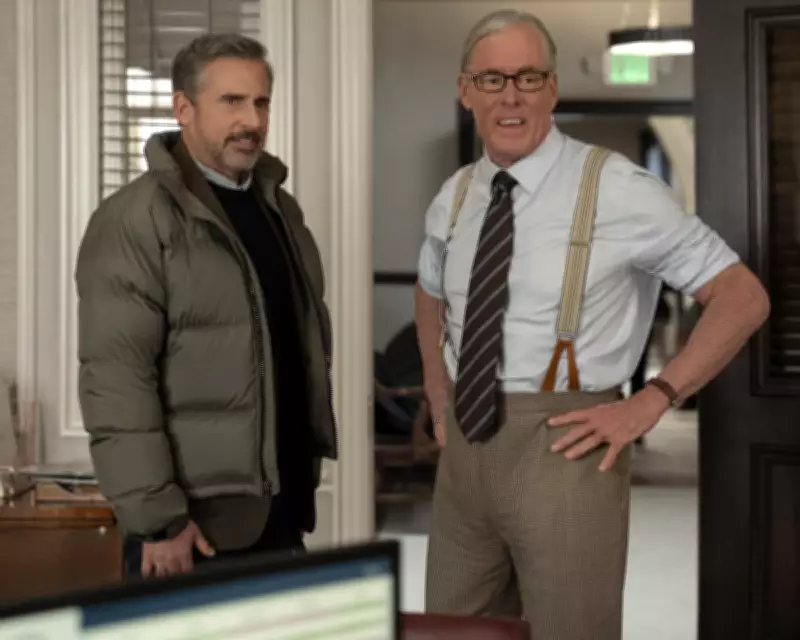
Steve Carell Returns to Television Comedy in Sophisticated Sitcom 'Rooster'
Steve Carell is back to his comedic best in the stellar new sitcom Rooster, a sophisticated, character-driven series from the creators of Scrubs and Ted Lasso. This delightful show serves as compelling proof that Carell's dramatic pursuits over the past 13 years have not blunted his sharp comic edge. The series premieres on Sky One, marking a significant return to television comedy for the acclaimed actor.
The Challenge of Comedy Versus Drama
Here's a fascinating observation about acting: when comedically gifted performers transition to serious dramatic roles, they often receive widespread acclaim and awards. However, comedy presents unique challenges that many overlook. Both comedy and drama share fundamental techniques and aim for emotional truth, but comedy demands precise rhythm, originality, and operates under a particularly unforgiving spotlight. From Robin Williams to Jim Carrey, Hugh Laurie to Daniel Kaluuya, many actors who gain admiration for dramatic work rarely return to comedy.
This context makes Steve Carell's return to television comedy particularly noteworthy. Since departing The Office, Carell has spent over a decade portraying challenging dramatic characters: fictional fathers of drug addicts, abusive wrestler-philanthropists, and news anchors fired for sexual misconduct. While these were incredible projects, they sometimes carried the weight of serious artistic homework. Rooster, along with last year's Four Seasons, represents Carell's welcome return to his comedic roots.

The Plot and Characters of Rooster
Rooster follows Greg Russo, played by Steve Carell, a trashy novelist who returns to Ludlow, the liberal arts college where his wife left him 25 years earlier. His daughter Katie, an art history professor at the same institution, is experiencing her own marital crisis as her husband Archie has left her to pursue an affair with a student. Greg attempts to support Katie through her emotional breakdown while she lives as a social pariah in a deceased hockey coach's house.
The plot cleverly contrives to keep Greg on campus, where he unexpectedly finds himself teaching writing and embraced by students. Soon he's engaging in college antics: getting in trouble with police, hooking up with colleagues, playing beer pong, and rolling kegs down boulevards. The frat boys even nickname him after the titular action hero from his lowbrow, bestselling novels. Despite his newfound popularity, Greg struggles with his identity—is he truly a rooster or merely a cuckoo in the nest?
The series beautifully centers on this complex father-daughter relationship. Charly Clive nearly steals the show as Katie, sharing lovely repartee with Carell. The supporting cast is exceptionally strong throughout, featuring John C. McGinley as college president Walter Mann, whose office includes a sauna and obsession with cold plunges and "activating brown fat." The casting demonstrates a connoisseur's eye with appearances by comics Rory Scovel and Robby Hoffmann, the latter particularly brilliant in a small but acerbic role.
Standout Performances and Production Pedigree
Phil Dunster, the improbably handsome Olivier-winning British actor, portrays Archie with remarkable skill. Given the challenging role of a self-obsessed, pompous, philandering addict with terrible judgment, Dunster performs an outrageous magic trick by making the character surprisingly charming. The pedigree of Rooster is palpable, emanating from creators responsible for both Scrubs and Ted Lasso. However, the show's ivory tower antics—including storylines about regaining control of a literary review and assuming an acting dean role—may not achieve the same mass appeal as its predecessors.
The series occasionally veers into slapstick territory, with Carell's character frequently falling over in Benny Hill-esque fashion, once landing with his hands on a student's breasts. Greg is intentionally written as unintentionally offensive, repeatedly attending disciplinary hearings. Yet Carell brings such authentic humanity and vulnerability to the role that these moments sometimes fail to land with full comedic impact—perhaps because he has become too skilled at drama.

Comedic Success and Final Verdict
Most jokes in Rooster hit their mark successfully, including memorable moments like Carell getting teabagged live on BBC News, Dunster tongue-kissing dogs, and abundant clever one-liners. "Lack of game recognize lack of game," Greg commiserates with his spurned daughter, attempting to heal both their wounded hearts. Steve Carell demonstrates he can truly do anything—and audiences should be delighted that this still includes sophisticated, character-driven comedies. Take 'em to school, Steve!