Simple Town: The New York Sketch Troupe Finding Joy Beyond TV Fame in London
When a "New York cult favourite sketch group" crosses the Atlantic, audiences might expect the next big television sensation. However, the reality for Simple Town—the whip-smart comedy collective currently gracing London's Soho Theatre—is far more nuanced and artistically driven than commercial television success.
The Reality of American Sketch Comedy
"We meet sometimes with UK production companies," explains Sam Lanier, one quarter of the four-piece troupe, during a transatlantic video call. "They see us and think: 'These guys could be a great bridge to the American market.' But what they don't know is that no one fucks with us in America. All the people who work in development in American comedy already know about us, and they've all said 'no.'"
This candid admission reveals the harsh truth behind the glamorous facade of sketch comedy. Despite the global success of Saturday Night Live or Netflix hits like I Think You Should Leave, making a living from sketch comedy remains challenging on both sides of the Atlantic.

"We don't make a living doing Simple Town at all," Lanier adds, highlighting the day jobs and balancing acts required to keep their creative vision alive.
Artistic Collaboration Over Commercial Success
What drives Simple Town forward isn't television deals or financial rewards, but something more profound. "We really believe in it," says Felipe Di Poi, another member of the group. "We believe the work we've done together is the best work any of us has done, that it's way bigger than anything we could have made by ourselves."
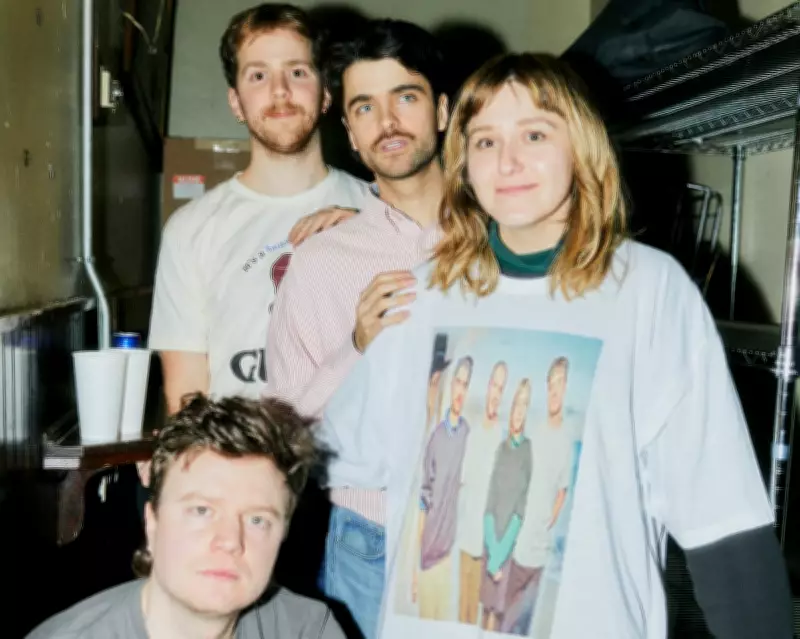
This collaborative spirit defines the troupe, which includes Lanier, Di Poi, Will Niedmann, Caroline Yost, and their director Ian Faria. They describe themselves as "four teens in their 30s," a tagline born from a slasher-movie spoof that perfectly captures their defiantly peppy camaraderie on stage.
"A tension we think is funny is to have the energy of youth and ambition even though we feel old and busted," Niedmann explains, revealing the group's self-aware humor about their place in the comedy landscape.
Evolution of a Comedy Collective
Simple Town began as a rotating roster of theatre and comedy people experimenting with plays, improv, and short films. As time passed, the group naturally distilled to its current core members. "It came down to whoever cared about it or thought there was life left in this thing," Lanier recalls. "And that was just us."
Their current show, which wowed Edinburgh Fringe audiences last summer and now comes to Soho Theatre, showcases their unique approach. The performance features blissfully fluid transitions between sketches, with the quartet popcorning from one bit to the next as if free-associating. Jokes and structural boundaries dissolve just as audiences think they've grasped them.
The Simple Town Method: From Scripted to Spontaneous
The group's material ranges from pure silliness—like their sketch about three NASA engineers dismayed that a woman has joined their crew—to more experimental pieces that briefly feature an audience member's inner monologue. Some sketches even hint at deeper meanings, such as a firing squad piece that tilts at divided modern America, though never becoming overtly political.
"I think we've written some sketches that actually convey something about what it means to be a young leftwing person in America," Niedmann acknowledges. "I always hold out for [political content], but we don't begin that way. We begin with funny."
This commitment to humor first has led the group to develop a distinctive performance style. "The thing we write on the piece of paper, the scripted sketch, matters less and less," Niedmann continues. "What matters more is, we feel emboldened to improvise things in the moment. We've grown to like this lived-in, open-ended feel."
Influences and Artistic Philosophy
Di Poi traces their evolution from more regimented approaches: "We came from writing sketch in the UCB [Upright Citizens Brigade] style, where it's quite regimented. You know: there's the joke, there's the beats. Then we started seeing acts at the now-closed Annoyance theater in New York where you didn't know where the joke was going to come from."

This exposure to more spontaneous, less predictable comedy profoundly influenced Simple Town's approach. "It could be something you couldn't even describe—just a funny way of saying something, then they'd keep doing that, and you were laughing, and you couldn't identify exactly what the satire or the point was," Di Poi explains. "But there was this complicity with the audience, something funny was happening. That felt less rigid to us and a lot more surprising—and that's what we want our shows to feel like."
The Economics of Artistic Integrity
Despite their critical success and devoted following among "comedy nerd" audiences, Simple Town faces practical challenges. "We've always thought of ourselves as a band," says Di Poi. "But there's clearly an economic disadvantage to being in a thing with five people."
Niedmann articulates their realistic perspective: "The realisation we have is: it won't ever make us money. We just do it because it's been such a joy and a meaningful part of our adulthood and our friendship."
Yet the group maintains a pragmatic openness to opportunities. "But we're open to making money from it," Lanier adds with characteristic humor. Di Poi chimes in: "If you want to give us money, we won't say no."
Simple Town's London run at Soho Theatre represents more than just another comedy show—it's a testament to artistic perseverance, collaborative creativity, and finding fulfillment beyond traditional measures of success in the competitive world of sketch comedy.