Late-Night Satire Meets Political Firestorm
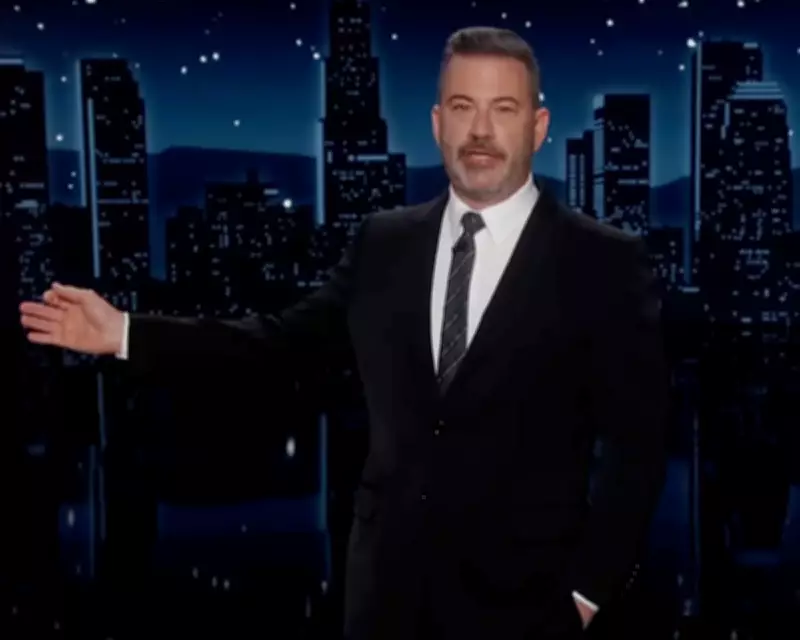
In a recent episode of his popular late-night show, Jimmy Kimmel delivered a biting satirical segment targeting former President Donald Trump's comments about Iran, sparking a heated national conversation about the intersection of comedy and politics. The monologue, which aired to millions of viewers, used humor to critique Trump's foreign policy rhetoric, but it quickly escalated beyond entertainment into a broader debate on free speech and media responsibility.
The Joke That Lit the Fuse
Kimmel's routine centered on Trump's historically provocative statements regarding Iran, weaving them into a comedic narrative that highlighted perceived inconsistencies and inflammatory language. The host employed his signature sharp wit, punctuating the segment with exaggerated impressions and ironic commentary that left the studio audience in stitches. However, the laughter in the room contrasted sharply with the polarized reactions across social media and news platforms.
Almost immediately after the broadcast, the segment went viral, amassing millions of views online and triggering a flood of responses. Supporters praised Kimmel for using comedy as a tool for political critique, arguing that satire serves as a vital check on power in a democratic society. They pointed to a long tradition of late-night hosts, from Johnny Carson to Jon Stewart, who have leveraged humor to dissect political absurdities.

A Divided Response and Broader Implications
Conversely, critics accused Kimmel of crossing a line from comedy into partisan activism, suggesting that the segment unfairly targeted Trump and oversimplified complex geopolitical issues. Some commentators argued that such humor could trivialize serious international relations, while others defended it as protected speech under the First Amendment. The debate quickly expanded to encompass questions about media bias, the role of entertainers in shaping public opinion, and the limits of acceptable political discourse in comedy.
This incident is not isolated; it reflects a growing trend where late-night television has become an increasingly politicized arena. Shows like Kimmel's, along with those hosted by Stephen Colbert and Seth Meyers, regularly blend entertainment with political commentary, influencing public perception and often driving news cycles. The Trump-Iran joke exemplifies how a single comedic moment can ripple through the cultural and political landscape, prompting discussions that extend far beyond the initial punchline.
As the controversy continues, it raises enduring questions about the power of satire in modern media. Can comedy effectively critique political figures without descending into mere mockery? How do audiences distinguish between humorous exaggeration and genuine misinformation? The Kimmel-Trump episode serves as a case study in these tensions, highlighting comedy's dual role as both a source of levity and a catalyst for serious debate in an increasingly polarized society.