As a dedicated Coronation Street viewer for decades, I have reached a breaking point with the iconic ITV soap. The show that once captured the essence of working-class Manchester life with its northern grit, authentic humor, and deeply human characters has lost its way, forcing me to switch off for good.
The Heart of Coronation Street Has Been Lost
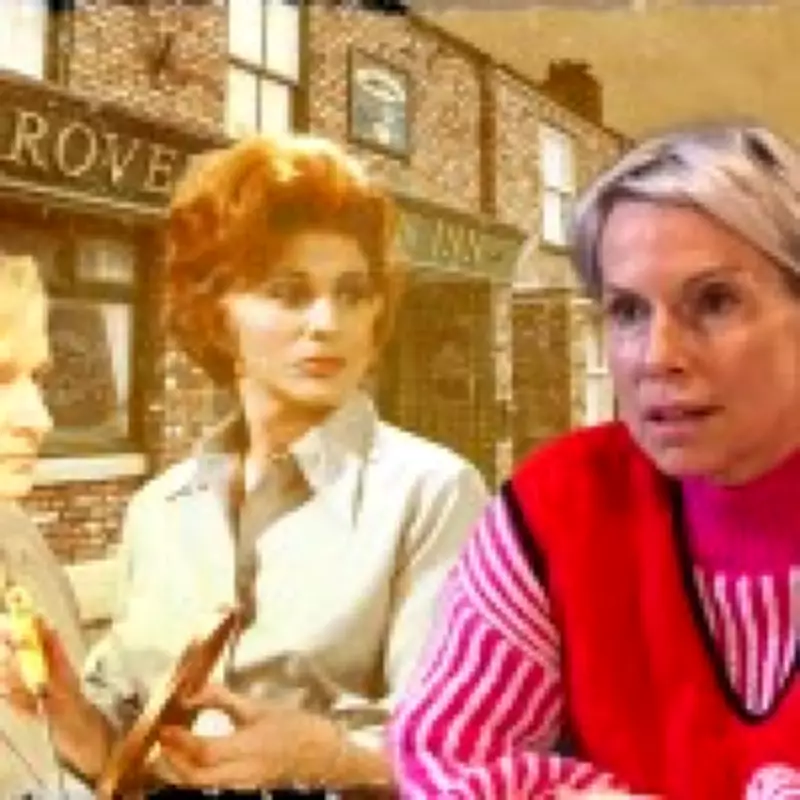
Coronation Street's creator Tony Warren built the series on characters drawn directly from real life, with dialogue borrowed from relatives and neighbors. I remember Elsie Tanner's iconic line, "Ay, Elsie, you're just about ready for the knacker yard," which Warren reportedly took from his Aunt Lily—a phrase my own grandmother used regularly. That was the beauty of classic Corrie: characters who felt like family members, with their laughter lines and everyday language preserved with affection.
From Gentle Storytelling to Relentless Misery
The soap once handled sensitive topics with remarkable care and subtlety. The suicide storyline of Aidan Connor and Hayley Cropper's transgender narrative were told with sparse, honest dignity that respected both the characters and the audience. These stories had room to breathe and make their emotional impact.

Now, Coronation Street has become an unending parade of human suffering. While important topics like domestic violence, coercive control, and grooming deserve coverage, the constant misery from scene to scene has become overwhelming. As a 34-year-old Manchester native who has spent years both watching and writing about soaps, I've realized I no longer want to subject myself to this emotional bombardment.
Viewer Backlash and Cast Concerns
I'm not alone in my frustration. Former Coronation Street actress Sally Ann Matthews recently revealed in an interview that cast members have been discussing viewer complaints for three to four years. "Their family and people in the street [are] saying they don't watch it anymore," Matthews explained. "They said, 'Oh it's all about the police, I don't know who anybody is.'"
This disconnect is particularly troubling given ITV soap boss Iain MacLeod's apparent reluctance to engage with fan feedback on social media. For a genre that thrives on its unique bond with audiences, dismissing heartfelt, constructive criticism seems particularly shortsighted.
The Shift to Sensationalism
Coronation Street has radically transformed from its grounded origins. What was once a show about everyday Manchester life—with occasional dramatic events like tram crashes or campaigns to "Free the Weatherfield One"—has become a relentless series of high-stakes, crime-ridden storylines.
The recent Corriedale crossover event with Emmerdale exemplifies this problem. While the stunt work was impressive, the emotional aftermath felt unexplored and unlived-in. Why bring together beloved characters from both soaps only to deny them meaningful interactions? The manufactured shock value replaced what could have been rich, character-driven drama.
Issue-Based Storylines Suffer Too
Even Coronation Street's traditionally strong issue-based narratives are suffering from the show's new approach. Kevin Webster's testicular cancer diagnosis was quickly followed by his sister Debbie Webster's dementia storyline, with neither given sufficient time to develop emotional resonance.
Worse still, the show seems determined to extract additional drama from already difficult situations, with Kevin faking ongoing treatment needs and Debbie being wrongfully accused of causing a crash. These twists undermine the very real issues the storylines aim to address.
What Coronation Street Needs to Recover
The missing elements aren't merely tonal. Coronation Street has lost the love, care, and attention to detail that once defined it. The warmth, careful storytelling, and respect for community and character origins have been sacrificed in pursuit of streaming-era relevance.
Netflix may produce compelling content, but it will never create a Ken Barlow or Eric Pollard—characters who generate genuine affection and knowing smiles from audiences who have followed their journeys for decades. By trying to replicate streaming service appeal, Coronation Street is discarding its unique selling point.

I miss how the show reminded me of my grandmother. I miss that it evoked genuine emotion and community connection without trying to imitate other formats. To win back viewers like me, Coronation Street needs to rediscover its heart—the working-class realism, character depth, and authentic storytelling that made it a British television institution.