The Unseen Stories in Discarded Grocery Lists
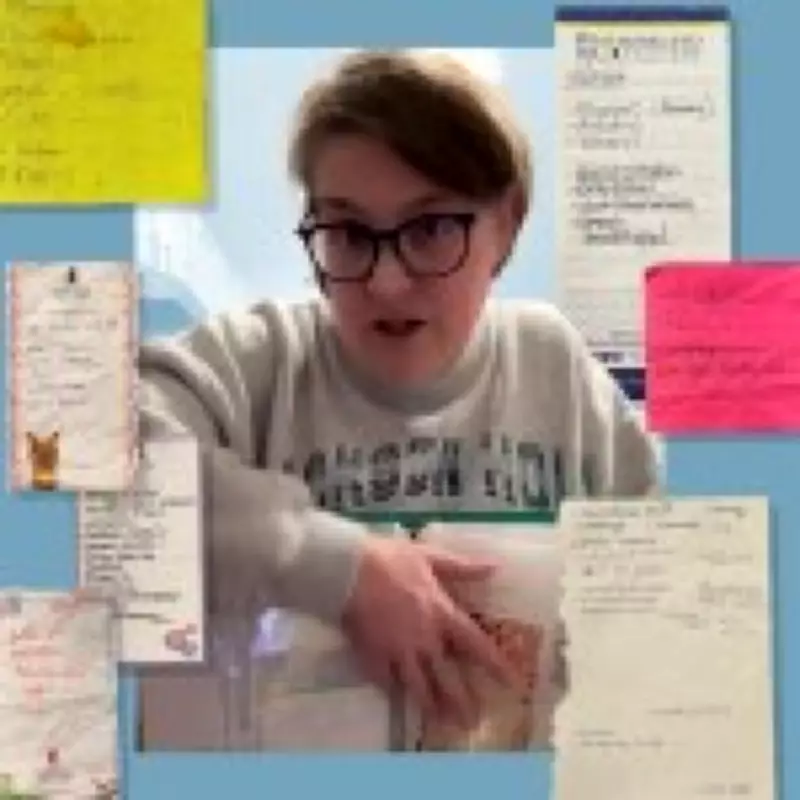
In a world where mundane tasks often go unnoticed, one woman has turned the simple act of grocery shopping into a profound exploration of human life. Paige Overhultz, a 40-year-old nurse from North Carolina, has amassed a collection of over 3,000 discarded shopping lists, each serving as a tiny window into the lives of strangers.
From Loneliness to Discovery
During the height of the COVID-19 pandemic, Paige found herself living alone for the first time in nearly a decade, recovering from a difficult breakup with only her dog Pippi for company. To lift her spirits, she began taking regular walks through a large car park shared by her apartment complex and a neighbouring supermarket. It was there that she spotted her first grocery list, scribbled on a small piece of yellow paper with just three items: "Pea, Onion, Corn."
"For me, collecting grocery lists turns something ordinary into a tiny mystery, and solving those mysteries feels both grounding and deeply satisfying," Paige explains. That initial find sparked a curiosity that has grown into a six-year passion, with her collection now spanning lists in multiple languages and on various surfaces.
A Collection of Curiosities
Paige's finds are as diverse as the people who wrote them. She has discovered lists in Korean, Spanish, French, German, Hindi, and Russian, often written on Post-it notes or scraps of paper. Some of her most cherished items are those jotted down on St. Jude Children's Hospital notepads, which hold personal significance as a childhood cancer survivor.
However, not all lists are heartwarming. The weirdest one she ever found was written on the back of a police ticket for reckless driving. Her favourite, though, is a list on the back of a bank envelope that still contained a two-dollar bill, adding an extra layer of intrigue to the story behind it.
Spotting Trends and Patterns
Over the years, Paige has noticed clear patterns in her collection. Lists from the COVID era frequently included comfort items like sweets, chips, and alcohol, reflecting the stress and isolation of the time. She has also tracked cultural trends, such as the sudden popularity of sriracha or Everything But the Bagel seasoning, which appeared on lists almost overnight.
More recently, she has observed a rise in weight-loss medications like Wegovy, Zepbound, and Mounjaro appearing alongside everyday groceries. "Grocery lists quietly document what people are worried about, excited about, or taking care of in that moment," Paige notes. "They're small but incredibly revealing snapshots of life."
The Neurodivergent Connection
For Paige, this hobby feels like a natural extension of her neurodivergence. "I've always been fascinated by people and their stories," she says. "My brain is constantly looking for patterns, details, and connections. Each list is a small puzzle." She uses context clues like handwriting, paper type, and whether items are checked off to imagine the lives behind the lists.
Sharing her collection on social media has garnered amazed responses, with followers calling her "the most interesting person in the world" and praising the "beautifully human" aspect of her project. Some have even pledged to sign off their future shopping lists "for Paige."
A Personal and Powerful Moment
The most meaningful experience in Paige's journey came after her grandmother passed away, when she unexpectedly found one of her grocery lists among her belongings. "Seeing her handwriting again, something so ordinary and practical, was incredibly moving," Paige shares. "It felt like a small, intimate glimpse into her daily life, frozen in time."
This moment reinforced her belief that grocery lists are more than just errands on paper. "They're evidence of care, routine, and presence," she concludes. "They show how people take care of themselves and others, and how even the most mundane details can become deeply meaningful once someone is gone."