Ramses II's Grandeur Reborn: A Pharaoh's Ego on Display in London Exhibition
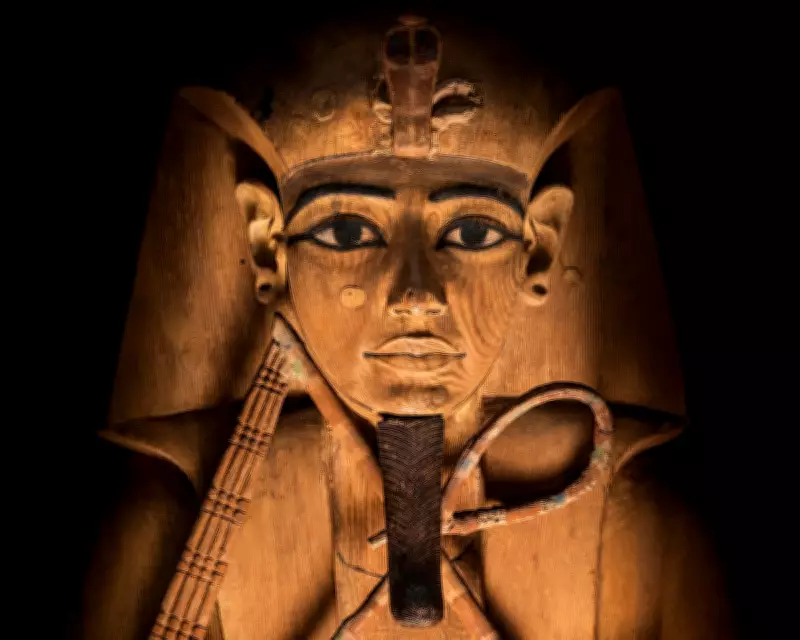
At the Ramses and the Pharaohs' Gold exhibition, housed within the iconic Battersea Power Station in south-west London, the coffin of Ramses II takes center stage. This collection of 3,000-year-old artefacts offers a rare glimpse into the life and legacy of Egypt's most ambitious and self-aggrandising pharaoh, often dubbed 'the Donald Trump of ancient Egypt' for his unparalleled ego and relentless pursuit of eternal glory.
The Mummy and the Myth
The mummy of Ramses II, preserved with remarkable skill, reveals a proud, beaky nose and a hand that seems to reach forward, as if grasping for power from beyond the grave. Ruling for 66 years and fathering over 100 children, Ramses worked tirelessly to make ancient Egypt great again, yet he remains overshadowed by Tutankhamun, whose fame stems largely from the intact discovery of his tomb in 1922. Ramses, who fought wars, brokered peace deals, and erected colossal monuments, would likely be disgusted by this twist of history.
Monuments to Self: Abu Simbel and Beyond
Ramses' ego is epitomised at the Great Temple of Abu Simbel, where four 20-metre-high statues, each depicting him, were carved into a sandstone cliff. This act of self-honour mirrors modern satires of leaders remaking national monuments in their image. In the British Museum, a colossus of Ramses from his mortuary temple, the Ramesseum, towers over visitors with a serene, graceful expression—a stark contrast to his actual aquiline features, showcasing a deliberate rejection of realism in favour of traditionalist art revived after the chaotic rule of Akhenaten.
Battle of Kadesh and Historical Impact
Ramses' most famous triumph, the Battle of Kadesh, is depicted in reliefs where he singlehandedly defeats Hittite enemies, though historical records suggest he showed leadership in mustering troops against a surprise attack. This battle, fought in modern-day Syria, highlights Egypt's involvement in international conflicts, challenging the notion of ancient Egypt as an isolated culture. Later, Ramses negotiated a peace treaty with the Hittites to counter the rising Assyrian empire, positioning him as a key historical actor akin to Alexander the Great or Roman emperors.
Legacy in Literature and Culture
Ramses' legacy extends into biblical and literary realms. In the Book of Exodus, he is portrayed as the tyrannical pharaoh who enslaves the Israelites, while Percy Bysshe Shelley's poem Ozymandias mocks his immortal ambitions through the decay of a shattered statue. The poem's ironic line, 'Look on my works, ye Mighty, and despair,' serves as a warning against tyranny, yet Ramses' propaganda endures, as seen in the exhibition's artefacts, including a gold-plated wooden mask from Amenemope's coffin.
Exhibition Details and Significance
The Ramses and the Pharaohs' Gold exhibition, running until 31 May, features treasures from the Egyptian Museum in Cairo, allowing Ramses to emerge from Tutankhamun's shadow. While his mummy is absent, his coffin and other items offer a fresh perspective on his reign. This showcase not only celebrates his achievements but also invites reflection on how history remembers leaders—whether through gentle boy kings or warlike pharaohs. As visitors gaze upon these works, Ramses' claim on history is renewed, proving that even after millennia, his ego still commands attention.