Historic Hackney Music Venue Moth Club Wins Crucial Battle Against Property Developers
In a significant victory for London's independent cultural scene, Hackney Council has rejected a planning application that threatened the future of the iconic Moth Club. The proposal for a six-flat residential building with ground floor commercial space on Morning Lane, directly adjacent to the beloved music and comedy venue, has been officially refused following a massive public campaign.
A Community Triumph Against Development Pressure
The venue announced the positive outcome through an Instagram post that expressed gratitude to supporters: 'Thanks to everyone who signed, shared and stood with Moth Club, the planning application for the building directly next to us has been refused! This is a huge win. We couldn't have done it without your support.' Over 30,000 people had signed a petition to protect the venue, demonstrating widespread community backing for preserving Hackney's cultural heritage.
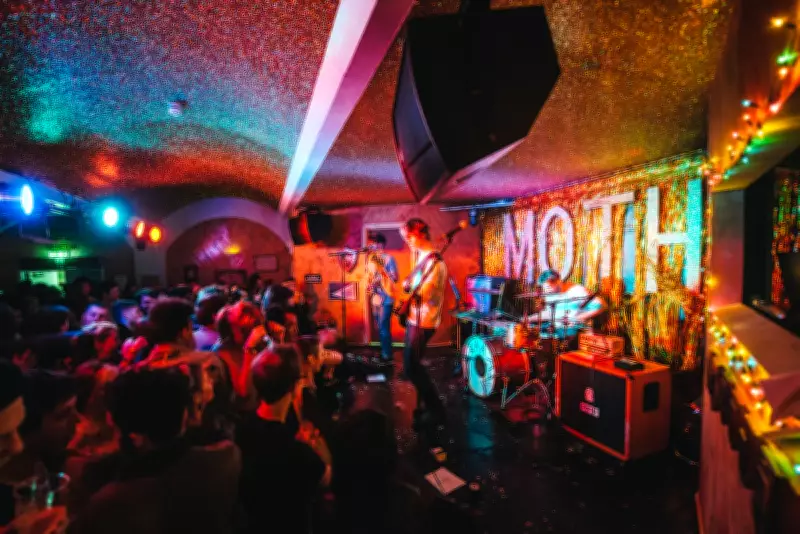
Moth Club first opened in 1972 as a traditional servicemen's club, with its name derived from the Memorable Order of Tin Hats - a group of ex-military personnel who continue to meet at the venue. Following a glittering gold makeover in 2015, the establishment transformed into a premier destination for live music and comedy, becoming an essential component of east London's nightlife ecosystem.
High-Profile Support and Ongoing Threats
The campaign to save Moth Club attracted support from notable figures including former Labour leader Jeremy Corbyn and bands like Amyl and the Sniffers. However, venue operators caution that 'the fight is not over' as another planning application remains active, continuing to jeopardize the venue's long-term survival.
When the original applications emerged in 2024, Moth Club representatives revealed that developers had strategically divided the proposal into two separate applications 'to avoid the obligation to include social housing.' While acknowledging London's urgent need for affordable housing, venue management emphasized that 'building multi-story blocks towering over an independent venue like Moth would have devastating consequences for its future.'
The Broader Context of London's Cultural Preservation
This decision represents a critical moment in the ongoing tension between property development and cultural preservation in London. Independent venues across the capital face increasing pressure from residential and commercial expansion, with many struggling to survive amid rising property values and changing neighborhood dynamics.
The council's refusal acknowledges the cultural value that establishments like Moth Club bring to local communities, serving not just as entertainment venues but as social hubs and historical landmarks. The venue's distinctive gold-glittered interior and diverse programming have made it a destination for both local residents and visitors seeking authentic London experiences.
As London continues to evolve, this case highlights the complex balancing act between housing needs and cultural preservation. The outcome demonstrates that organized community action can influence planning decisions, though the pending second application ensures that Moth Club's future remains uncertain despite this temporary victory.