Rediscovering a Lost Master: Michaelina Wautier's Triumphant Return
Search for Michaelina Wautier online, and you'll find scant information about this remarkable 17th-century painter. Born in Brussels and living until 1689—an impressive age for her time—Wautier created extraordinary works that were subsequently forgotten for centuries. For generations, art historians dismissed paintings bearing her signature, attributing them instead to her brother Charles or other male contemporaries.
The Historical Bias Against Female Artists
Wautier faced significant barriers during her lifetime. Academic institutions that taught artistic techniques barred women from entry, raising questions about how she could possibly master complex subjects like human anatomy, particularly the male nude. Her ambitious altarpiece-sized religious paintings were deemed too sophisticated for a woman, while her technical skill in various genres raised suspicions among later scholars.
Yet the Royal Academy of Arts now presents compelling evidence of Wautier's undeniable talent in their groundbreaking exhibition, the first UK showcase dedicated to the artist. Twenty-five of her works are displayed alongside paintings by better-known contemporaries including Peter Paul Rubens and David Teniers the Younger, as well as works by her brother Charles, with whom she likely shared a studio.
From Delicate Flowers to Grand Narratives
The exhibition reveals Wautier's remarkable range. Her exquisite flower paintings feature petals so delicate they appear ready to wilt from their frames. These works demonstrate why she quickly progressed to more challenging subjects. In her portraits, she captures children with genuine tenderness and renders textiles with such realism that viewers might imagine touching the fabrics.
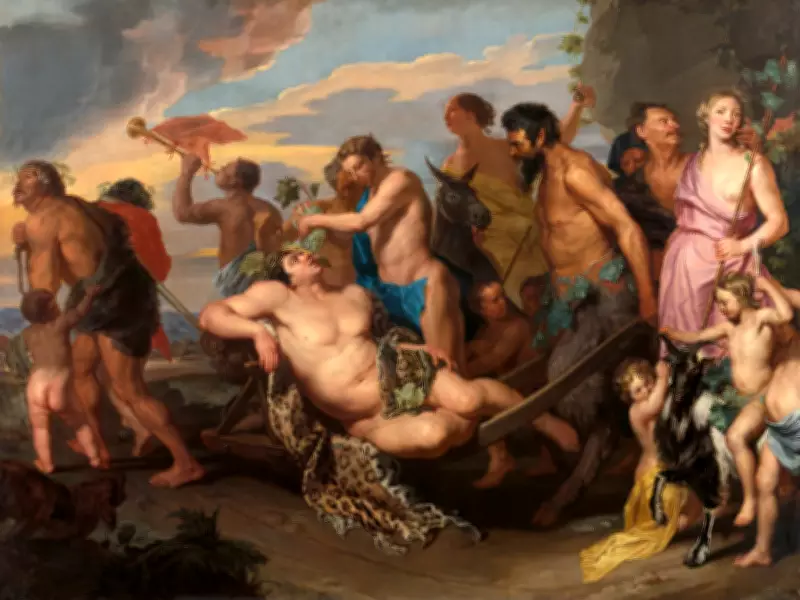
However, it's "The Triumph of Bacchus" (1650–56) that sparked Wautier's modern rediscovery. Found in storage at Vienna's Kunsthistorisches Museum—which helped organize this exhibition—this monumental work represents her largest known painting. In a bold statement, Wautier painted herself into the scene, standing proudly among the revelers and meeting the viewer's gaze as if declaring her artistic capabilities.
A Masterpiece Reclaimed
The canvas bursts with energy and detail, featuring bodies of various ages and builds draped in silks, vines, and animal hides surrounding the fleshy, leopard-skin-clad Bacchus. For three centuries, searching "The Triumph of Bacchus" would primarily yield Diego Velázquez's version at Madrid's Prado Museum. Now, after experiencing Wautier's powerful interpretation, Velázquez faces formidable competition from this newly recognized master.
Wautier's exhibition at the Royal Academy of Arts runs from March 27 to June 21, 2026, offering Londoners a rare opportunity to witness the rediscovery of an artistic genius whose work was unjustly overlooked for centuries due to gender bias in art historical scholarship.