Deaf Rage and Subversive Scrawling: The Exhibition Where Disabled Artists Strike Back
Though the art world professes inclusivity, many disabled creatives experience a different reality. In a groundbreaking online exhibition at dis_place, disabled artists have channeled their frustrations into powerful artworks that challenge superficial accessibility and demand genuine change.
Curator's Vision: From Frustration to Platform
"I had significant frustration about the performance of diversity, equality, and inclusion," explains curator Nathalie Boobis. Feeling that the art world's commitment to disabled access was often performative rather than substantive, Boobis initially considered stepping away. However, an opportunity to become the in-house curator for Disability Arts Online's new exhibition space dis_place presented itself as the perfect platform to highlight disabled experiences in art.
Her inaugural exhibition, titled I Need to Be More Than a Lesson You Learned, features nine artists and collectives working across multiple media. The exhibition explores how disabled artists navigate inaccessibility within both the art world and broader society.
Artworks That Speak Volumes
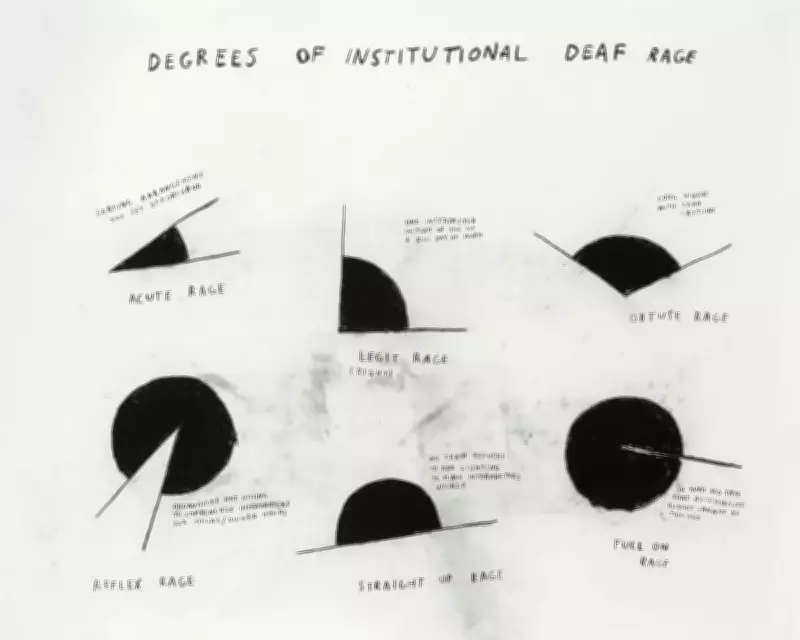
Christine Sun Kim's charcoal and oil pastel drawings, including Degrees of Institutional Deaf Rage from 2018, vividly express anger at inadequate access. Her works feature accompanying phrases like "Curators who think it's fair to split my salary fee with interpreters" and "Museums with zero deaf programming (and no deaf docents/educators)," highlighting specific barriers deaf artists face.
Jamila Prowse's film Exquisite Corpse (2026) shows the artist conversing with her mother through the surrealist game, reflecting on the interdependence that underpins their creative practice. "Jamila discusses not being able to meet the art world's expectations of an artist who can consistently meet deadlines and work alone," Boobis notes. "She reveals how this expectation is artificial since everyone collaborates behind the scenes."
Navigating Systemic Barriers
The artist collective Babeworld's film Roll for Initiative uses dice rolling as a metaphor for navigating the art world from neurodivergent and mental health perspectives. "It's about the excitement of receiving a commission, but then actually having to execute it as a disabled artist," Babeworld explains. "This can become incredibly challenging when basic daily tasks like getting out of bed or brushing teeth are difficult."
The film meticulously demonstrates barriers throughout the creative process, from initial emails and curator communications to Zoom meetings, physical labor, social interactions, and managing energy levels on specific days.
Reclaiming Personal Narratives
Bella Milroy has created striking works by drawing on envelopes from the Department for Work and Pensions (DWP), reclaiming objects familiar to many disabled people. "These envelopes represent an interesting space to explore how disability experiences intersect with public and private spheres," Milroy reflects, noting how they enter homes and require sharing private, sensitive information.
One envelope addresses how disabled artists are sometimes expected to share difficult experiences. "There are challenges to this kind of sharing," Milroy says. "While it can build community among disabled artists and peers, the flipside is extreme exposure. You're placed in positions where people view these hard-to-grasp experiences, creating vulnerability and challenge."
The works also critique how the benefits system, while supposedly facilitating access and inclusion, remains problematic. This is particularly relevant amid contemporary threats of cuts to disability benefits like Personal Independence Payment (PIP) and the anxiety accompanying DWP envelopes arriving at homes.
Setting New Standards for Accessibility
What message does this exhibition send about genuine access and inclusion? Boobis identifies two key aspects. First, the exhibition itself models accessibility with "easy read" text, audio descriptions, and British Sign Language interpretation. "We hope this sets a standard for other galleries regarding access features," she says. "This is a soft message about how we'd like to see things happen."
Second, the exhibition communicates the barriers disabled artists face and highlights the gap between performative access and meaningful inclusion. It also showcases works about intimacy and joy, challenging narratives of pity that often surround disability.
Beyond a Moment: Calling for Lasting Change
"Disability is having a moment in the wider art world regarding commissioning and exhibition-making," Boobis observes. "But I hope this isn't just another performance or trend. We need follow-on efforts like proper anti-ableism training in the art world and active support against funding cuts to PIP and Access to Work that affect disabled artists and art workers."
By foregrounding disabled artists' experiences within disability arts, the exhibition aims to contribute to broader conversations about genuine inclusion. I Need to Be More Than a Lesson You Learned runs online at dis_place until January 31, 2027, offering a powerful testament to disabled creativity and resilience.