The Unmasking of Banksy and Ferrante: A Call to Respect Artistic Anonymity
In a world obsessed with celebrity and exposure, the recent unmasking of street artist Banksy and the hoax surrounding novelist Elena Ferrante have sparked intense debate. These events reveal more about our societal fascination with fame than the artists themselves, raising critical questions about privacy and creativity.
The Exposés That Shook the Art World
This week, Reuters published an 8,000-word investigation confirming what many suspected: Banksy is 52-year-old Robin Gunningham. While the Mail on Sunday first reported this nearly two decades ago, the revelation still made headlines globally. Similarly, a fake announcement of Ferrante's death on X, orchestrated by Italian hoaxer Tommaso Debenedetti, caused widespread grief among readers before being debunked.
Banksy and Ferrante share the unique status of being the most famous anonymous artists today. Ferrante faced a similar exposé ten years ago when an Italian journalist analyzed her finances, concluding she was a translator. Over the years, theories have speculated she might be a man or even a group of writers, but her true identity remains shrouded in mystery.
Why Anonymity Matters in Art
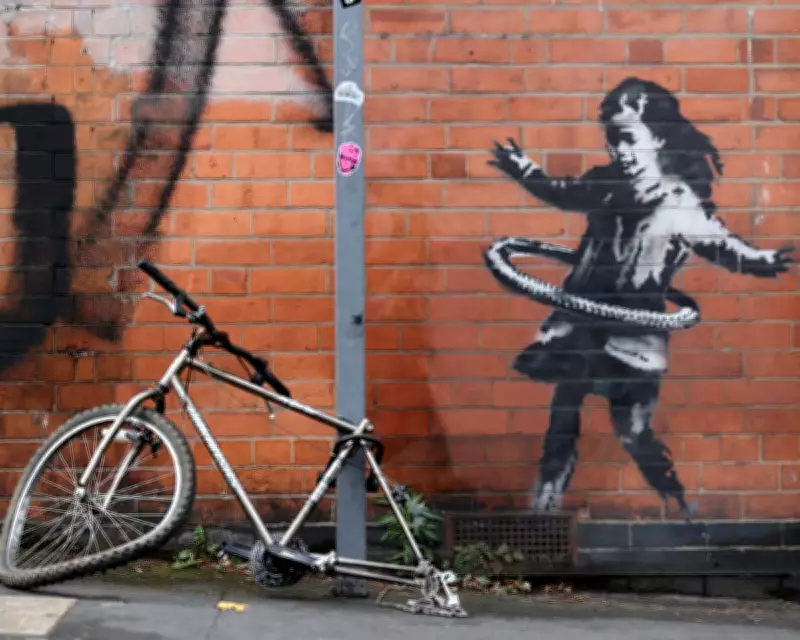
For Banksy, anonymity began as a practical necessity due to the illegal nature of street art. However, it has evolved into a powerful tool that allows him to critique the art establishment, challenge authority, and become a cultural icon. His works, from Palestine in 2005 to Ukraine in 2022, have left an indelible mark on global consciousness. As his lawyer argues, unmasking him violates privacy, interferes with his art, and puts him in danger.
Ferrante, on the other hand, views anonymity as an artistic choice that frees her from the pressures of notoriety and modern publishing demands. This practice is not new; historical figures like Jane Austen and the Brontës published anonymously or under male pen names to navigate societal constraints. As Virginia Woolf noted, anonymous works often hid female voices, a tradition continued today by groups like the Guerrilla Girls.
The Cultural Obsession with Identity
Our relentless pursuit of artists' real identities reflects a deeper obsession with fame and authorship. True fans of Banksy and Ferrante, however, embrace the mystery. They appreciate Banksy as the rebel who leaves surprises overnight and Ferrante as the novelist who writes with pure intimacy, untainted by celebrity. This radical self-effacement stands in stark contrast to today's culture of exposure.
Creativity remains one of humanity's great mysteries, and artists' decisions to remain anonymous should be respected. As Banksy famously said, "If you want to say something and have people listen then you have to wear a mask." His mask is his art—let's not destroy it by stripping away the enigma that makes it powerful.