The Urgent Need for Westminster's Refurbishment
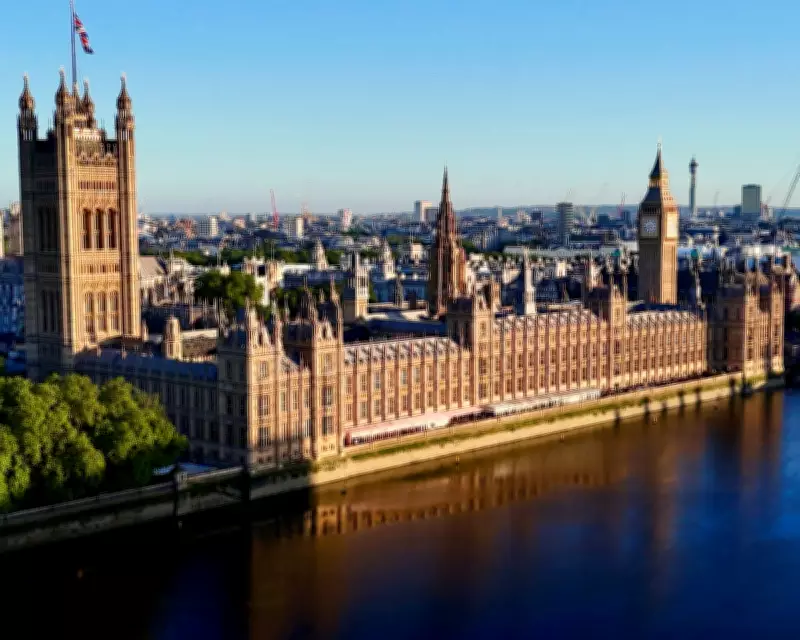
The Palace of Westminster, a Unesco world heritage site rebuilt after a fire in 1834, is in a state of severe disrepair, with MPs and peers facing a critical decision: stay put or move out to allow for billions of pounds in urgent repairs. A recent report from the restoration and renewal client board highlights that the building has suffered 36 fire incidents since 2016, along with persistent water leaks, heating failures, and sewerage problems. Fixing Westminster is not just about saving money in the long run; it is a matter of safety and preserving a national legacy.
Safety Concerns and Financial Implications
Conservative peer Michael Dobbs has starkly warned that the palace is "just waiting for some disaster," advising visitors to run if they see others doing so. Labour's Peter Hain has been even more direct, calling it "a Notre Dame inferno in the making." Without immediate action, there is a real risk that the Commons could go up in flames. The board proposes two main options: moving both chambers out for up to two decades at a cost of £16bn, including inflation, or having the Lords move out for up to 13 years while the Commons relocates to the upper house, which could extend the works to 61 years and cost £40bn. Given these staggering numbers, it is unlikely MPs will choose the latter, more expensive and prolonged option.
A Missed Opportunity for Decentralisation
In 2018, MPs decided that Britain's primary issue was a crumbling Westminster, not an overcentralised state, but this view seems increasingly mistaken. As one of the most regionally unequal countries in Europe, with strained public services and stagnant wages, the public may perceive a £16bn expenditure on parliament's own building as self-indulgent. If MPs argue that high-speed rail to the north is unaffordable due to cost and time, yet approve similar budgets and timelines for their own workplace, it could fuel public discontent and populist grievances.

Symbolism and Substance in Power Distribution
Westminster holds deep symbolic value, and its refurbishment presents a unique opportunity to initiate a serious conversation about spreading power to other parts of the UK. Moving parliament temporarily to cities like Manchester, York, Leeds, or Birmingham could send a powerful signal of commitment to regional development. Such a move would not only create jobs and investment outside London but also engage with the nation's diverse communities, fostering a sense of belonging and loyalty.
The Need for Real Change Beyond Symbolism
While a temporary exodus from Westminster could symbolise an understanding of the state's imbalances, it must be accompanied by substantive action. A centralised Britain has fueled political resentments, and merely changing parliament's location without redistributing authority and resources would be little more than a change of scenery. What is required is a clear commitment from the national government to sustain higher net investment in poorer regions, ensuring they are not left further behind. MPs and peers must align symbolism with substance to address the UK's deep-seated regional inequalities effectively.