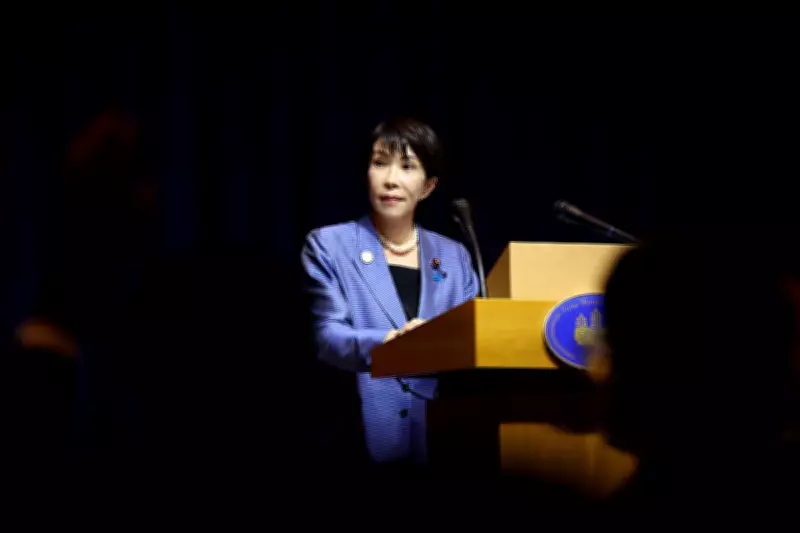
The Japanese yen experienced a significant decline against the US dollar on Wednesday morning, following Prime Minister Sanae Takaichi's selection of two dovish candidates for positions at the nation's central bank. This move has intensified concerns about the future direction of Japan's monetary policy.
Nomination Details and Market Reaction
Prime Minister Takaichi nominated academics Ayano Sato and Toichiro Asada to the Bank of Japan's nine-member policy board. Both individuals are known for their support of economic stimulus measures and lower interest rates. The announcement triggered an immediate market response, with the yen weakening by 0.5 percent against the dollar, reaching a rate of 1.55 yen.
This depreciation followed a previous slump on Tuesday, which occurred after reports surfaced that Takaichi had held a brief meeting with Bank of Japan Governor Kazuo Ueda. During this meeting, she reportedly expressed reservations about the necessity of continuing to raise interest rates.
Political Context and Economic Plans
The nominations arrive in the wake of Takaichi's landslide election victory last month, where her Liberal Democratic Party secured a majority in the lower house. Dubbed Japan's 'Iron Lady', Takaichi's campaign promises to revitalize the country's sluggish economy initially led to a brief rise in the yen's value.
However, the currency has been steadily weakening over the past two weeks as investors and analysts grow increasingly anxious about Takaichi's expansive fiscal agenda. Tensions between the markets and the prime minister have been escalating since she unveiled a $135 billion spending plan in November 2025.
Fiscal Policy Concerns
This plan includes a proposed two-year suspension of the eight percent consumption tax on food, a measure expected to cost approximately 5 trillion yen annually. Additional elements involve potential cuts to social security, increased defense spending, and other pro-growth policies. Analysts have warned that funding these initiatives without triggering a debt or currency crisis may prove challenging.
In her first major policy speech to parliament last Friday, Takaichi outlined what she termed a "responsible and proactive fiscal policy." Despite this, market participants remain skeptical that she will curb higher spending, even if it pushes inflation beyond the Bank of Japan's two percent target.
Monetary Policy Implications
Since the election, analysts have viewed the policy board vacancies as an early test of Takaichi's monetary policy stance and her determination to influence the central bank's decision-making process. Ipek Ozkardeskaya commented, "Takaichi voiced apprehension regarding further Bank of Japan rate hikes, which could temper the impact of her expansionary fiscal plans aimed at boosting growth. Her nomination of two reflationist academics to join the BOJ policy board suggests that the yen will remain under pressure."
Conversely, some observers argue that the nominations may have a limited effect on the bank's policy, given Governor Ueda's substantial control over the board. While the yen declined, the stock market rallied, with the Nikkei 225 index jumping 2.2 percent to trade at 58,583.12. This surge was attributed to the nominations being perceived as favoring more economic stimulus.