FTSE 100 Demonstrates Remarkable Stability Amid Global Trade Uncertainty
London's premier stock index, the FTSE 100, has once again proven its resilience as a financial safe haven, showing minimal movement despite escalating international trade tensions and dramatic political developments. The blue-chip index concluded Tuesday's trading session with only a slight decline, dropping a mere two points to settle at 10,684.74p.
Trump's Tariff Announcement Sparks Initial Market Concerns
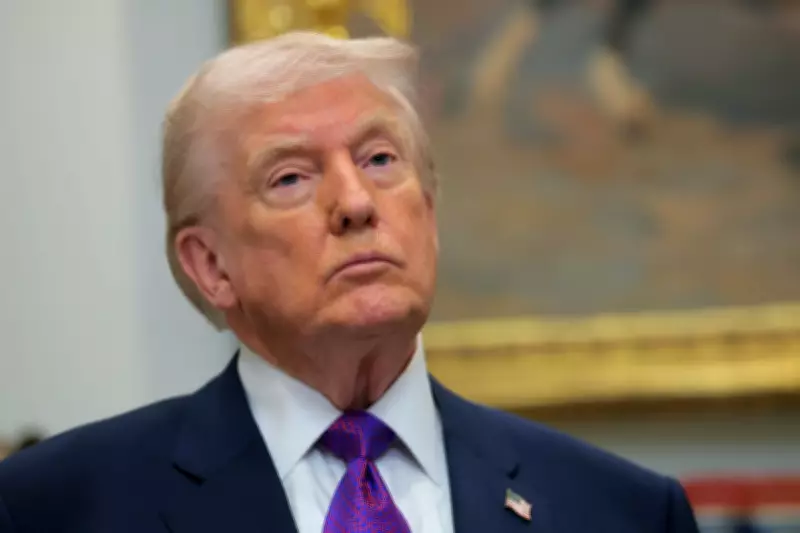
The trading week began with renewed apprehension following President Donald Trump's Saturday declaration of comprehensive 15 percent tariffs across all United States trading partners. This bold move threatened to disrupt global commerce and sent shockwaves through international markets. However, London's financial district maintained its characteristic composure, with government officials adopting measured responses and emphasizing ongoing diplomatic discussions.
Market analysts observed that while US stocks experienced noticeable declines, the FTSE 100 displayed remarkable stability. Chris Beauchamp, chief market analyst at IG, commented on this phenomenon, stating, "Investors seeking refuge from tariff-related volatility and concerns about Middle Eastern tensions could hardly find a better option than the FTSE 100 currently. The index appears virtually immune to anxieties surrounding American trade policies and potential conflicts with Iran, maintaining its position while American markets retreat."
Political Developments Compound Trade Uncertainties
The tariff drama intensified throughout the day as President Trump escalated his rhetoric, threatening additional "obnoxious" levies while criticizing a Supreme Court ruling he described as "ridiculous, dumb, and very internationally divisive." The President claimed the court had inadvertently granted him expanded powers beyond those he possessed before their controversial decision.
Simultaneously, European Union lawmakers postponed a crucial vote on the EU-US trade agreement, demanding complete transparency from the White House regarding its trade intentions. This strategic delay mirrors similar actions taken by the EU last month when they suspended work on the deal in protest against Trump's attempt to acquire Greenland, highlighting the ongoing diplomatic tensions between traditional allies.
Broader Market Context and Related Developments
While the FTSE 100 demonstrated stability, other sectors of the UK economy faced distinct challenges. The technology industry continues to grapple with a significant hiring shortage despite government initiatives to streamline visa processes for artificial intelligence specialists. Meanwhile, employment data reveals concerning trends, with job vacancies reaching their lowest point since 2021, particularly affecting the London region.
Additional market movements included notable share price increases for The Works following activist investor involvement and Rolls-Royce's announcement of substantial shareholder returns approaching £1 billion. Banking sector forecasts also indicate potential challenges ahead, with projections suggesting business lending growth could decrease by half amid mounting global geopolitical pressures.
The FTSE 100's performance underscores London's enduring position as a stabilizing force in global finance, providing investors with relative security during periods of international uncertainty and political volatility.