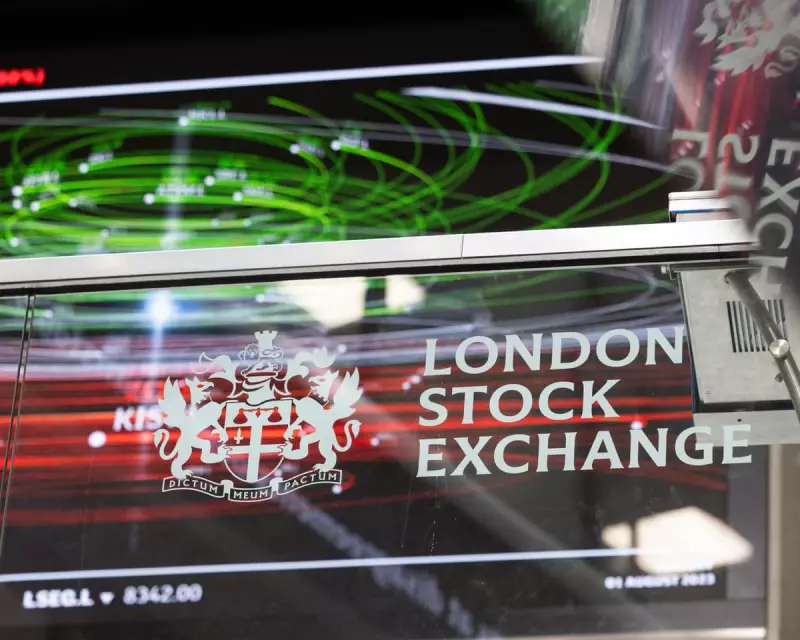
The FTSE 100 index has achieved a historic milestone, closing above the 10,000-point mark for the first time. This landmark moment, however, has been met with a characteristically reserved British response, leading many to question a missed opportunity to champion the UK stock market to everyday savers.
Three Perspectives on a Round Number
Analysts and commentators have largely viewed the FTSE 100's breakthrough through three distinct lenses. The first, and perhaps most cynical, is to dismiss round numbers as fundamentally irrelevant. The index was established in 1984 with a base value of 1,000, so a climb to 10,000 was statistically probable over a long enough timeline. This view also notes that the headline points figure ignores dividends, which form a crucial part of total investor returns.
A second, more contentious perspective involves attaching inflated economic significance to the event. Chancellor Rachel Reeves claimed the surge was "a vote of confidence in Britain’s economy." This assertion is problematic, as the FTSE 100 is dominated by multinational firms like Fresnillo, a Mexican silver miner and last year's top performer, which generate roughly 75% of their earnings overseas.
The Case for Marketing Razzmatazz
The third approach, advocated by many in the City, is to acknowledge the index's limitations—its skew towards banks and miners and underweight in tech—while still seizing the public relations potential. The Footsie rose 21.5% in the past year, even outperforming some US indices, creating a perfect narrative to encourage risk-averse savers to consider equities over cash.
This was seen as an open goal for both the Treasury and the London Stock Exchange Group (LSEG). Reeves's "Leeds Reforms" aim to stimulate financial risk-taking, while LSEG frequently faces criticism for not championing its own exchange amidst its larger data business. A coordinated campaign around the 10,000 level could have served both agendas without resorting to overblown economic claims.
A Reserved Response vs. American Hustle
Despite the obvious platform, the moment passed with little fanfare. There were no celebratory events in Paternoster Square, nor any symbolic merchandise like the "FTSE 10,000" baseball caps common on Wall Street for similar Dow Jones milestones.
This reticence comes as a consortium of City firms prepares to launch a reported £15 million annual national advertising campaign to explain investing benefits. As one commentator noted, they could have saved a considerable sum by effectively leveraging the free publicity of the 10,000-point breach.
While such showmanship may seem gimmicky and carries the risk of looking foolish if markets quickly reverse, the core message remains powerful: shares have historically outperformed cash over the medium to long term. In a bid to rewire the UK's financial culture towards investment, a chance to make that point loudly and clearly appears to have been quietly overlooked.