Desperate Gold Rush Erupts in South African Township Amid Economic Hardship
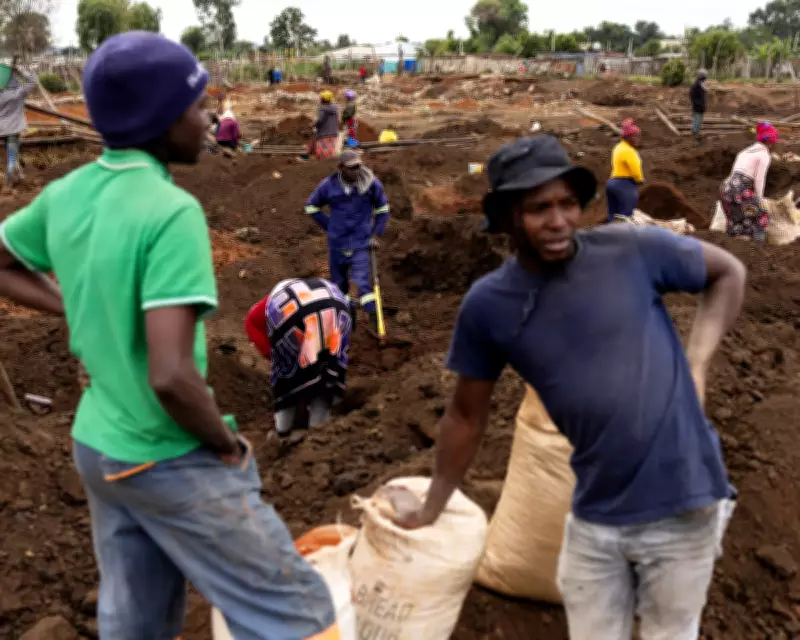
In a stark display of economic desperation, a brief but intense gold rush swept through Gugulethu, an informal settlement near Springs, South Africa, after rumors of gold discoveries spread rapidly on social media. Dozens of fortune seekers, many unemployed and from distant regions, descended upon a former cattle field, digging frantically in hopes of striking it rich. However, authorities from the Ekurhuleni municipality swiftly intervened, deeming the activities illegal and arresting three individuals while confiscating mining equipment.
Social Media Sparks Frenzy in Gugulethu
The frenzy began less than two weeks ago when a rumor circulated online that gold had been found while digging a fence post in a field on the outskirts of Gugulethu. This settlement, characterized by dirt roads and metal shacks, saw its jobless residents spring into action. Local councillor Dean Stone reported that prospectors traveled from as far as Limpopo province and Rustenberg, highlighting the widespread allure of potential wealth. By February 18, municipal authorities had clamped down, using diggers and dumper trucks to fill the trenches and restore order.
The City of Ekurhuleni stated in social media posts that reports of gold discoveries remain unverified and speculative, emphasizing the illegal nature of the mining. This event echoes the historical founding of Johannesburg, which boomed after gold was discovered in 1886, and Springs, established in 1904 following a gold strike in 1899. Today, Springs features faded art deco buildings that hint at its prosperous past, contrasting sharply with the current economic struggles.
Economic Desperation Drives Illegal Mining
The gold rush in Gugulethu, home to about 11,500 people, reflects deeper societal issues in South Africa. With unemployment at 42% and nearly 38% living below the poverty line of approximately £65 per month, many residents see few alternatives. Nomsa Jamangile, 19, expressed the community's plight, saying, "We are hungry, there are no jobs." She and her sister Thokozile, along with friends, managed to extract a small amount of gold, earning 2,000 rand (£92.12) split four ways, which they used for food and transport costs.
Thokozile lamented the government's intervention, stating, "We are sad. We want the government to help us, to give us a job so we don't sell our bodies." Councillor Stone echoed this sentiment, noting the tragic involvement of children and parents in the digging, underscoring the dire lack of employment opportunities, especially for youth. The national mining ministry condemned the illegal activities, urging miners to obtain licences, but Stone questioned the feasibility for impoverished residents without resources to travel to Johannesburg for applications.
Broader Context of Illegal Mining in South Africa
South Africa's gold production has declined since its peak in the 1970s, though it remained the world's top producer until 2007. The Witwatersrand region is now dotted with mine dumps and abandoned shafts, many exploited by illegal miners known as 'zama zamas,' who produce an estimated 10% of the country's gold. In Gugulethu, beige ridges from old mines loom nearby, with chemical residues bleaching the earth from past gold extraction processes.
Local officials, speaking anonymously, noted that foreign zama zamas armed with guns now control some old mines. In response, President Cyril Ramaphosa announced in his state of the nation address that the military would be deployed to combat gangs, organized crime, and illegal mining. Police crackdowns have sometimes turned deadly, such as in January 2025 when over 90 bodies were recovered from a gold shaft in Stilfontein after supplies were blocked.
Not all residents were disappointed by the end of the gold rush. Sandi Tshona, a farmer who grazed his cattle on the field, described how the situation became uncontrollable after diggers forced their way in. This incident highlights the complex interplay of economic desperation, historical legacy, and regulatory challenges in South Africa's mining sector, as communities grapple with poverty and limited opportunities.