Reckitt Achieves Profit Growth Through Strategic Cost Reduction and Brand Focus
Consumer goods powerhouse Reckitt has announced a significant boost in its financial performance for the last fiscal year, driven by a comprehensive cost overhaul strategy that prioritizes specific high-growth divisions. The FTSE 100 listed company, renowned for its extensive portfolio including Dettol, Durex, Lysol, Finish, Vanish, and Gaviscon, recorded a notable 5.2 per cent increase in overall revenue. This growth was primarily fueled by robust performance in China and various emerging markets, which helped counterbalance weaker results in Europe and North America.
Durex and Dettol Lead Brand Performance
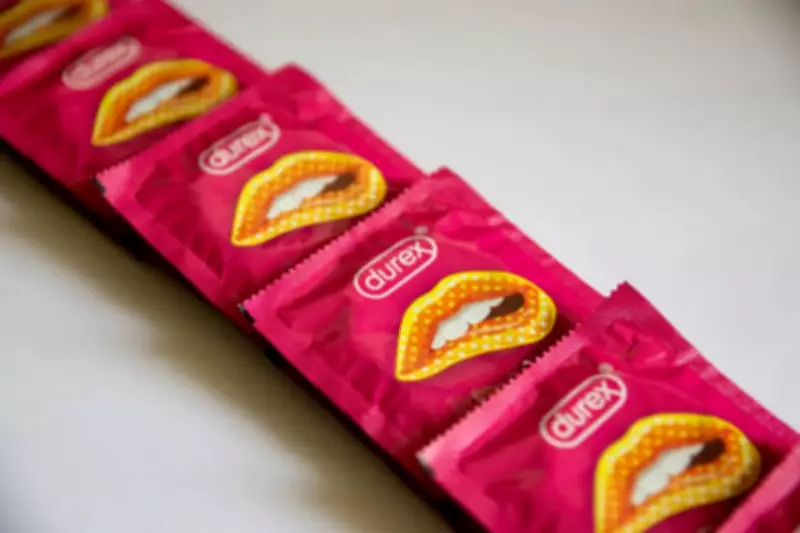
Durex emerged as the standout performer within Reckitt's portfolio, achieving an impressive double-digit revenue growth of 12.5 per cent for the year. This success is attributed to strategic innovations such as the Durex Intensity product line and comprehensive portfolio upgrades that resonated strongly with consumers. Meanwhile, the germ protection division Dettol solidified its position as the company's largest "powerbrand" following an 11 per cent growth surge. Reckitt categorizes its top-performing divisions as powerbrands, which are central to its long-term growth strategy.
The company's emerging markets group demonstrated exceptional performance with revenue skyrocketing by 14.6 per cent. This substantial growth effectively offset a 1.4 per cent decline in European markets and a modest 0.2 per cent increase in North America. Operating profit experienced a steady two per cent rise to £3.5 billion, while the firm's profit margin—a crucial indicator of financial health—expanded by nearly a quarter, reflecting improved operational efficiency.
Essential Home Divestment and Strategic Restructuring
In a major strategic move last July, Reckitt agreed to sell its Essential Home business to private equity firm Advent International for $4.8 billion (£3.6 billion). This transaction included well-known brands such as Air Wick, Calgon, Woolite, and Cillit Bang. The company retained a 30 per cent equity stake in the divested business while completing the sale on December 31, 2025. This divestment generated a substantial pre-tax profit gain of approximately £1.2 billion, significantly contributing to the company's financial results.
Reckitt has been actively reshaping its business model to concentrate on what it describes as "11 high-growth, high-margin powerbrands" as part of a broader simplification initiative. The company returned a total of £2.3 billion to shareholders in 2025 through dividends and share buybacks, with an additional £1.6 billion special dividend distributed in February 2026 following the Essential Home sale completion.
Fuel for Growth Programme and Cost Management
The consumer goods giant has implemented an ambitious 'Fuel for Growth' programme designed to reduce fixed costs, enhance operational efficiencies, and reinvest savings into its powerbrand portfolio. This initiative successfully lowered fixed costs to 19.4 per cent of net revenue in 2025, down from approximately 21 per cent the previous year. The company has set an ambitious target to achieve a fixed cost base below 19 per cent by the end of 2027.
During 2025, Reckitt incurred £179 million in one-off cash costs specifically related to this transformation and restructuring effort. Chief executive Kris Licht emphasized the company's progress, stating: "We have more work to do but our geographic footprint, portfolio of powerbrands and focused organisational structure have strengthened our ability to deliver sustainable long-term growth. We look forward with confidence."
The strategic cost-cutting measures, combined with focused investment in high-performing brands and geographic markets, position Reckitt for continued financial improvement and market leadership in the competitive consumer goods sector.