Openreach's Full Fibre Confirmation Turns to Disappointment in Teignmouth
In a bewildering turn of events, Openreach initially confirmed the availability of full fibre broadband for a property in Teignmouth, Devon, only to retract the offer a month later, branding the connection as 'uneconomical'. This saga underscores the unpredictable nature of broadband infrastructure deployment and the challenges faced by consumers in rural and semi-urban areas.
The Initial Promise and Subsequent Reversal
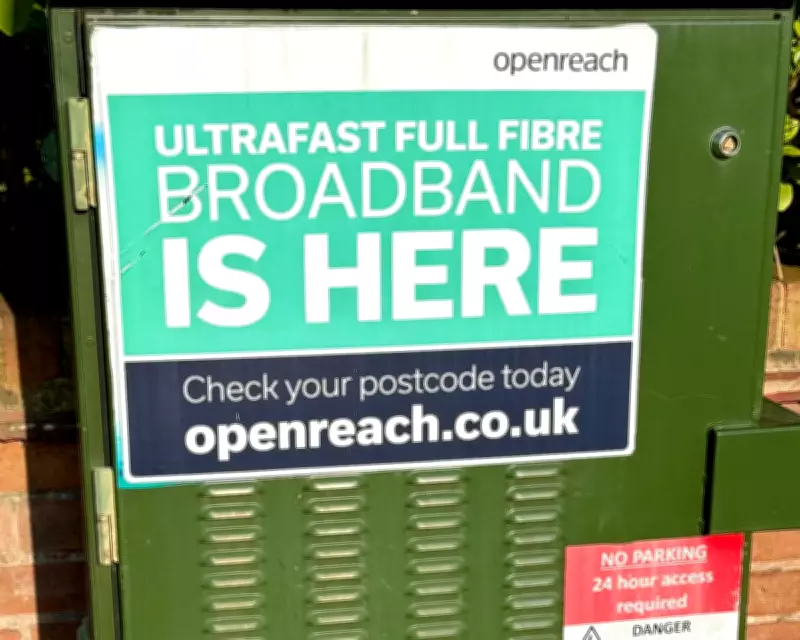
The resident, identified as JN, received an email from their internet service provider stating that full fibre broadband had become accessible for their home. This was corroborated by Openreach's official 'fibre checker' tool, which serves as a preliminary indicator of connectivity options. However, after a month of anticipation, Openreach reversed its stance, citing blockages in the underground conduits beneath the road as the primary reason for deeming the connection financially unviable.
This abrupt change left JN in a frustrating limbo: unable to switch providers because Openreach's systems still listed the property as connectable, leading other ISPs to only offer quotes for full fibre services that were no longer feasible. The situation highlights a critical gap between digital promises and on-the-ground realities, with consumers often caught in the crossfire of technical and commercial decisions.
Openreach's Response and Infrastructure Challenges
Following JN's escalation of the issue, Openreach miraculously found a solution, acknowledging that commercial factors can delay upgrades when existing infrastructure is inadequate. The company clarified that its online checker is merely 'an indicator' of potential fibre connections and not a guaranteed offer, a disclaimer that many users might overlook in their eagerness for faster internet.
In a statement, Openreach explained, 'We've taken a detailed look at what's needed to connect JN's home and found a way to get it done. Sometimes we find unexpected problems when we come to build the final connection. These cases are rare, and when they happen, we work hard to fix them, but we're sorry that we can't always do that.' This admission points to broader systemic issues in the UK's broadband rollout, where hidden obstacles like blocked conduits can derail projects and leave residents stranded with subpar connectivity.
Broader Implications for Consumer Rights and Broadband Access
This incident raises significant questions about consumer protection and transparency in the telecommunications sector. As the UK pushes towards nationwide full fibre coverage, stories like JN's serve as a cautionary tale about the reliability of online tools and the need for clearer communication from providers. Residents in areas like Devon, which often face slower infrastructure development, are particularly vulnerable to such discrepancies.
Key takeaways from this case include:
- The importance of verifying broadband availability through multiple sources before making commitments.
- The role of consumer advocacy in holding companies accountable for their promises.
- The ongoing challenges in upgrading ageing infrastructure, especially in regions with complex geographical or logistical barriers.
While Openreach's eventual resolution offers a glimmer of hope, it underscores the need for more robust planning and customer service protocols to prevent similar frustrations. As broadband becomes increasingly essential for work, education, and daily life, ensuring equitable access remains a pressing issue for policymakers and industry leaders alike.