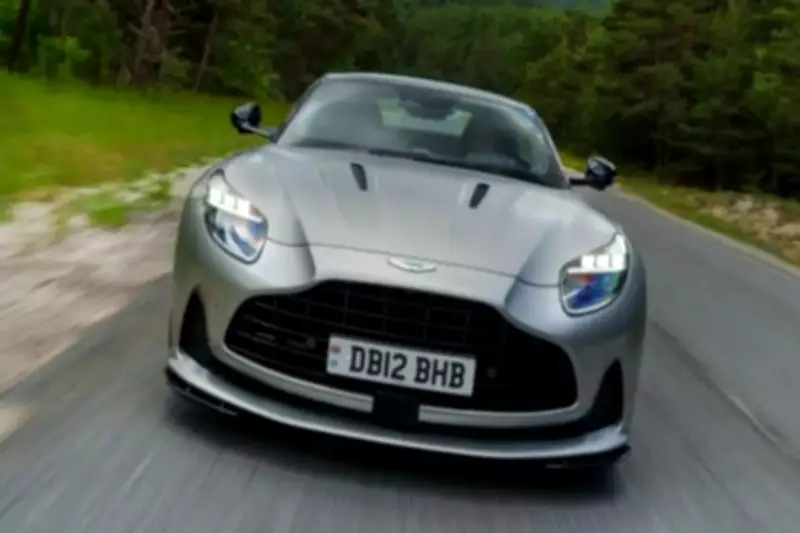
Aston Martin Announces Major Workforce Reduction as Profits Tumble
British luxury car manufacturer Aston Martin is set to slash approximately 20% of its global workforce, equating to more than 500 jobs, following a severe downturn in profits attributed to former President Donald Trump's unpredictable tariff policies. The company disclosed on Wednesday that it has allocated £18.7 million for anticipated restructuring costs as it enters consultations on the significant staff reductions, part of a broader operational review.
Financial Struggles and Trade Pressures
In its latest financial report, Aston Martin, renowned for its iconic role in the James Bond film series, revealed a dramatic decline in performance. Wholesale volumes dropped by 10% to 5,448 units over the past year, while revenue fell 21% to £1.3 billion. This sharp revenue decline dragged profits down by 37% to £370 million, highlighting the intense pressure from international trade tensions and macroeconomic challenges.
Chief Executive Adrian Hallmark commented on the difficult trading environment, stating, "In 2025, we navigated a highly challenging trading environment whilst delivering on critical operational milestones. An unprecedented backdrop of geopolitical uncertainties and macroeconomic pressures, including heightened tariffs in the US and China, weighed on our performance and ability to execute our plans effectively."
Impact of Trump's Tariff Agenda
The automotive industry has been heavily impacted by Trump's trade policies, with UK car production hitting its lowest level since 1949 last May due to steep tariffs on foreign-made vehicles. As a result, British manufacturers like Aston Martin and Jaguar Land Rover were forced to suspend shipments to the US starting in April, exacerbating financial strains.
In October, Aston Martin cited ongoing tariff effects and broader economic challenges as reasons for expecting year-on-year sales declines. The company's struggles underscore the broader vulnerabilities in the global automotive sector amid fluctuating trade policies.
Future Outlook and Strategic Moves
Despite the current setbacks, Aston Martin is projecting a "material improvement" in the coming year. This optimism is partly driven by the planned delivery of around 500 units of its limited-edition hybrid supercar, Valhalla, which Hallmark described as the "highlight of the year." The company also anticipates benefits from its ongoing transformation strategy aimed at enhancing margins and cash flow.
Hallmark expressed confidence in the firm's future, adding, "Looking ahead, I remain confident that our strategy and upcoming products will position us strongly for future success. In 2026, we expect to deliver a material improvement in financial performance and continue delivering year-on-year improvements over the short-mid-term with a focus on margin expansion and cash flow generation."
The job cuts and financial restructuring mark a critical juncture for Aston Martin as it seeks to navigate the complexities of international trade and regain its footing in the competitive luxury car market.