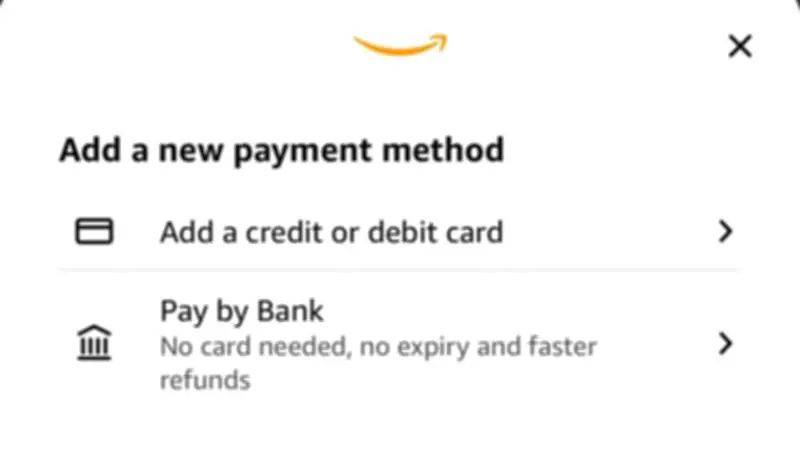
Amazon Rolls Out 'Pay By Bank' Payment Method
Amazon has become the latest major retailer to implement the "pay by bank" payment system, allowing customers to make purchases without entering credit or debit card details. This method enables direct fund transfers from bank accounts to merchants, offering speed and simplicity for consumers while reducing transaction costs for retailers.
Growing Adoption Among Major Retailers
Beyond Amazon, several household names including Ryanair and Just Eat have adopted this payment option. The system eliminates the need for physical cards during transactions, streamlining the checkout process for online shoppers.
Consumer Protection Concerns Raised
Despite its convenience, consumer rights expert Scott Dixon has issued warnings about the potential risks associated with this payment method. Dixon emphasizes that "pay by bank" removes or significantly weakens key consumer protections, specifically Section 75 and chargeback rights.
These protections represent two of the most powerful refund mechanisms available to consumers when purchases go wrong. Without them, customers face increased vulnerability if sellers go bankrupt, refuse refunds, or deliver faulty goods.
When to Avoid 'Pay By Bank'
Dixon recommends consumers ask themselves critical questions before using this payment method:
- Do I trust this seller completely?
- Can I afford to lose this money if the purchase fails?
- Why can't I use a debit or credit card instead?
- Am I willing to surrender my chargeback and Section 75 rights?
If the answer is "no" to any of these questions, Dixon advises taking the extra time to use traditional card payments instead.
High-Risk Purchase Categories
Particular caution is recommended for:
- High-value items (holidays, electronics, vehicles, furniture)
- Future-dated purchases (concert tickets, hotel reservations)
- Transactions with unfamiliar or unverified sellers
Optimal Payment Protection Strategies
For purchases exceeding £100, Dixon suggests using a credit card for at least the deposit to benefit from Section 75 protection. For transactions under £100, debit cards offer chargeback coverage for up to 120 days from the purchase date.
While Dixon doesn't recommend completely abandoning "pay by bank," he emphasizes it's "not ideal for all purchases" and urges consumers to weigh convenience against protection carefully.