The Reserve Bank of Australia has delivered another blow to household budgets, lifting its cash rate target from 3.85% to 4.1% in a closely contested decision that signals potential further financial tightening ahead. This marks the second consecutive monthly increase, pushing borrowing costs to their highest level in over a decade.
Narrowest Vote Since Transparency Began
In a revealing split decision, five members of the monetary policy board voted to raise interest rates while four voted to hold steady. This represents the RBA's narrowest margin since the institution began disclosing voting patterns in July, highlighting significant internal debate about the appropriate pace of monetary tightening.
Mortgage Pain Intensifies
Australian homeowners face immediate pressure as variable mortgage rates climb in response to the RBA's move. The quarter-percentage-point increase translates to approximately $100 more per month on a $500,000 mortgage, compounding financial strain for families already grappling with cost-of-living challenges.
"Household budgets are being squeezed from multiple directions," noted financial analyst Michael Chen. "The rate rise comes alongside soaring petrol prices due to Iran's blockade of the Strait of Hormuz oil transport corridor, creating a perfect storm for Australian consumers."
Fuel Price Concerns
Energy Minister Chris Bowen had earlier criticized panic buying behavior, calling out people who were purchasing jerry cans from hardware stores like Bunnings. He declared the practice "unhelpful and un-Australian" amid concerns about fuel supply disruptions affecting global oil markets.
Broader Economic Context
The rate decision occurs against a backdrop of international tension, with former US President Donald Trump reportedly seeking to delay a summit with China's Xi Jinping amid escalating conflict involving Iran. Meanwhile, domestic concerns continue about housing affordability and economic stability.
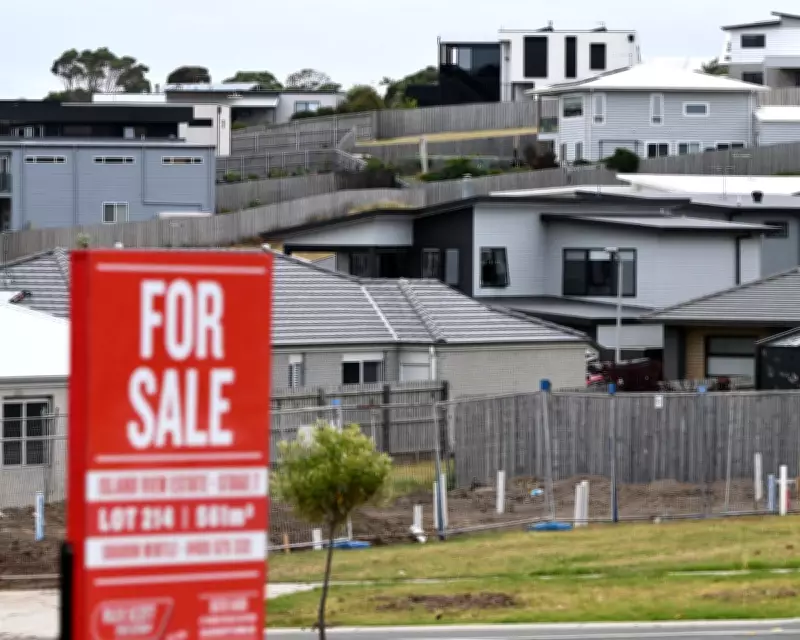
Property markets across Australia, including developments in areas like San Remo, Victoria, face renewed pressure as higher borrowing costs potentially cool buyer demand and impact construction timelines. The rental market may also experience ripple effects as investors pass on increased costs to tenants.
Future Outlook
Economists remain divided about whether this rate hike represents the peak of the current tightening cycle. The RBA's statement accompanying the decision left the door open for additional increases if inflation proves more persistent than expected, suggesting households should prepare for continued financial uncertainty.
"The narrow vote indicates the board is carefully weighing the risks of overtightening against the need to control inflation," explained banking sector analyst Sarah Williamson. "Australian consumers face a challenging period of adjustment as the economy responds to these monetary policy measures."