In the sophisticated world of fine dining, wine etiquette remains a crucial yet often misunderstood aspect of the experience. While some traditions may appear antiquated, certain missteps can immediately reveal a lack of familiarity with proper wine protocol. Wine consultant Libby Brodie of Bacchus & Brodie identifies three common mistakes frequently observed in restaurants that can mark someone as a "wine wally" – and provides clear guidance on how to avoid them.
The Art of Glass Holding: More Than Just Aesthetics
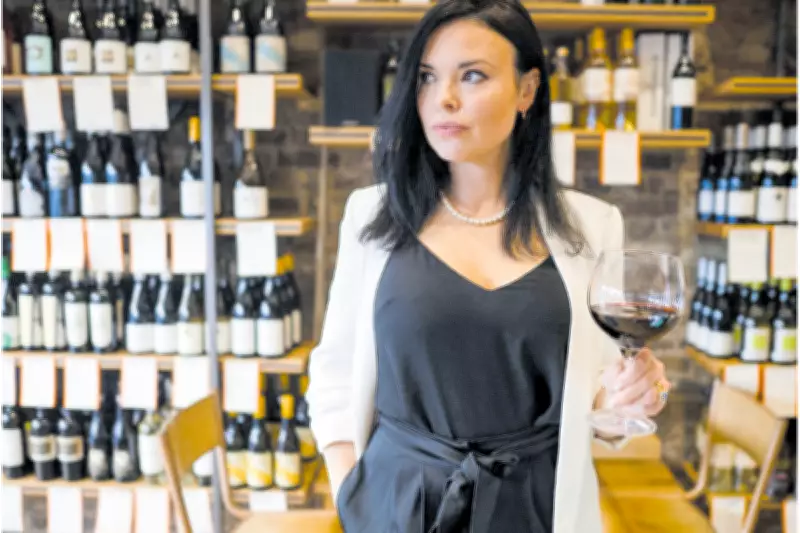
How you hold your wine glass communicates volumes about your comfort level with wine culture, and the proper technique is surprisingly straightforward. Wine glasses should always be held by the stem, or for those feeling particularly debonair, by the base. The critical rule is to never hold the bowl of the glass. While this might leave unsightly smudges on the glassware, the primary concern is temperature control. Your hands naturally warm the wine, negatively impacting its intended serving temperature and flavor profile. Unlike cognac, which benefits from being swirled in an open palm to release aromas, wine requires a more delicate approach – always reach for the stem.
Decoding the Tasting Ritual: What You're Really Checking
When a server opens a bottle and pours that initial "taste" of wine, many diners misunderstand the purpose of this ritual. You're not actually tasting to determine if you like the wine – once ordered, the bottle is yours regardless of preference. Instead, this moment serves to detect potential faults in the wine. The proper technique involves swirling the glass (either in the air or on the table) to aerate the wine and release its aromas, followed by a careful sniff. If the wine emits odors reminiscent of damp cardboard, wet dog, or nail polish remover, politely ask the server to verify the bottle themselves. A valuable tip: establishments that serve wine by the glass typically have bottles already opened, allowing you to request a small taste to confirm you enjoy it before committing to a full glass or bottle.
Cork Presentation: A Gesture of Respect, Not an Inspection
When presented with the cork, resist the instinct to smell it – that assessment should have already occurred during the tasting pour. While corks can reveal certain information (such as potential wine fraud if the winery stamp doesn't match the bottle's label), in contemporary dining, cork presentation primarily serves as a gesture of respect, particularly in high-end establishments. The appropriate response is simply to leave the cork where it's presented or perhaps pocket it as a keepsake. This demonstrates understanding of modern wine service protocols without unnecessary fuss.
Three Reliable Wine Selections for Confident Ordering
The White: Bruce Jack Chenin Blanc
Priced at £9 and available at Sainsbury's, this South African Chenin Blanc represents exceptional value from one of the world's most exciting wine regions. Bruce Jack stands as one of the most admired wine brands globally, with the producer himself known for generous craftsmanship. This particular expression offers vibrant freshness balanced by ripe stone fruit flavors, making it remarkably versatile with dishes ranging from roast chicken and pork to various seafood preparations.
The Red: Lagar de Cayo Rioja Alta Crianza 2020
Available for £17.99 through wineathome.org, this Rioja represents an enduring classic among collectible wine styles. As a 'Crianza,' it undergoes mandatory aging for two years in barrel and bottle, resulting in a lighter expression of Rioja that maintains impressive depth, structure, and spice – ideal for dining occasions. Sourced from one of Spain's oldest vineyards in this historic region, this award-winning bottle delivers both tradition and quality.
The Sparkling: Bolney Classic Cuvée
Priced at £32 and available at Tesco, starting with sparkling wine never draws criticism. Traditional method sparkling wines inherently convey sophistication, as does supporting local producers. Bolney's bubbles deliver a vibrant explosion of ripe citrus, green apple, and delightful brioche toastiness – making it an ideal aperitif that combines quality with patriotic appeal.
Mastering these fundamental aspects of wine etiquette transforms the restaurant experience from potentially awkward to confidently sophisticated. By avoiding these common pitfalls and having reliable wine selections at your disposal, you can navigate wine service with the assurance of someone who truly understands the nuances of proper dining protocol.