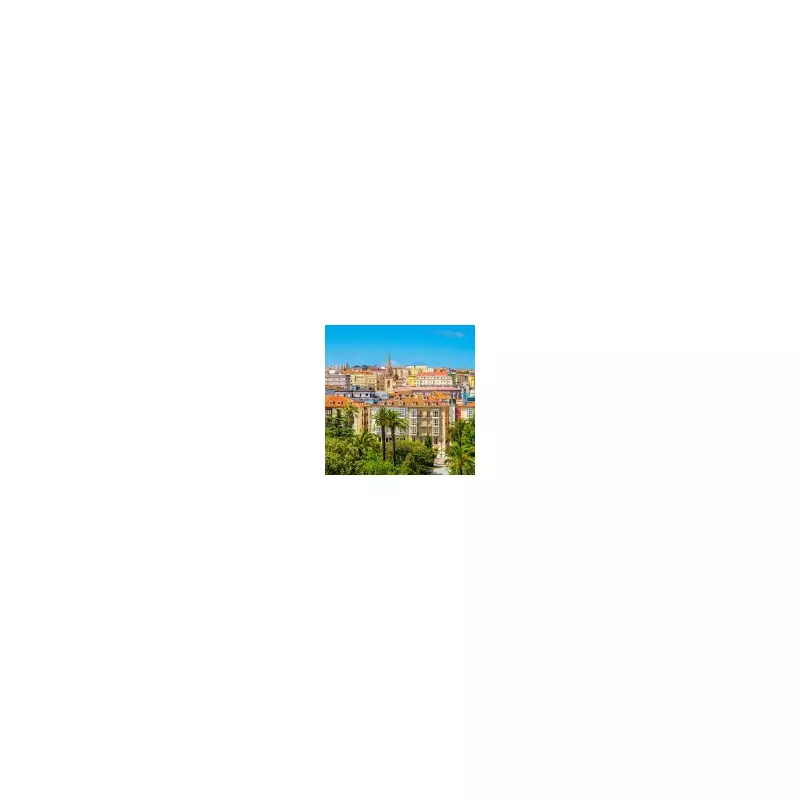
For many in the UK, the name Santander is synonymous with high street banking. Yet, far from the world of current accounts, a breathtaking coastal city in northern Spain shares the same name. Founded by the Romans in 26 BC, Santander is a captivating destination nestled between the sea and mountains, which has, until now, largely escaped the intense tourist crowds plaguing other Spanish hotspots. However, its status as a hidden gem is changing; it ranked among the most Googled travel destinations globally in 2025.
A Culinary and Cultural Revelation
Move over, San Sebastián—Santander is rapidly emerging as northern Spain's new foodie star. The region's signature burnt Basque cheesecake, with its creamy, caramelised perfection, is a revelation. The culinary journey deepens at places like Quesería Quesoba, located within the historic iron-clad Mercado de la Esperanza, a covered market dating to the 1850s. Here, you can meet experts like José María Alonso Ruiz, President of Spain's Cheese Association, and sample local delights from Cantabrian cow's milk cheeses to exquisite, buttery chorizo.
For a fine-dining spectacle, Restaurante Casona del Judío offers a 16-course tasting menu by chef Sergio Bastard. The experience, paired with local wines, features inventive dishes from ethereal cabbage to savoury macarons, proving Michelin-starred dining can be both astonishing and satisfying.
Art, History, and Breathtaking Views
Culture thrives at the Centro Botín, an art museum designed by renowned architect Renzo Piano. Its exhibitions, such as those showcasing surrealist painter Maruja Mallo, impress with themes of powerful femininity. The museum's true showstopper, however, is its panoramic view over the Cantabrian coastline—a vista so stunning it feels surreal.
Santander's layered history unfolds through its architecture. Guides passionately recount tales from its Roman origins to the Spanish Civil War, pointing out landmarks like the Palacio de la Magdalena, an English-inspired palace gifted to the royal family. Remarkably, you can stay in this palace during summer Spanish courses run by the Menéndez Pelayo International University. The city also preserves a poignant air raid shelter from 1936, where the sounds of a 22-minute attack are chillingly recreated.
Why It's Dubbed the 'Ireland of Spain'
The nickname becomes vividly clear upon visiting. The weather is famously changeable, with hail, rain, and sunshine often all appearing in a single day. The landscape seals the comparison: verdant, rolling hills, spectacular cliff walks leading to the historic Cabo Mayor lighthouse (built in 1839), and technicolour sunsets over the bay create a scene strikingly reminiscent of Ireland's wild Atlantic coast.
Journey into Deep History at El Pendo Cave
A short trip from the city leads to one of Spain's most significant prehistoric sites. El Pendo Cave, part of a UNESCO-protected network, contains rock art dating back 27,000 years, within formations believed to be 84,000 years old. The story of its 1997 discovery by Carlos Luce, who fulfilled his lifelong dream of finding Palaeolithic art, adds a layer of human wonder. Guides can point to where Neanderthals may have sat crafting tools from flint, making ancient history palpably real.
Getting there from the UK is straightforward. Several airlines offer direct flights; for example, Ryanair has direct return fares from London Stansted. Alternatively, a more leisurely 20-hour ferry journey operates from Portsmouth and Plymouth with Brittany Ferries.
With its compelling mix of gastronomy, profound culture, dramatic history, evocative landscapes, and prehistoric wonders, Santander offers a rich, multifaceted escape. As it prepares for a major new cultural centre opening in 2027, now is the perfect time to discover this Cantabrian treasure before the rest of the world catches on.