In the wake of sweeping international sanctions, Russia's domestic wine industry is experiencing an unexpected boom. With Western imports severely restricted, local producers are seizing the opportunity to expand and refine their offerings, aiming to rival traditional European powerhouses like France.
A Sparkling Ambition in the Krasnodar Hills
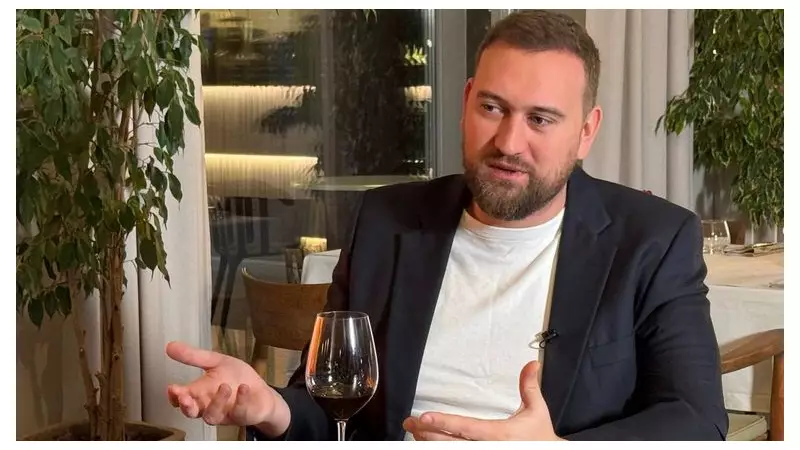
Mikhail Nikolaev, of the family-run Nikolaev & Sons vineyard in Russia's Krasnodar region near the Black Sea, embodies this new confidence. Standing amidst the Tuscan-style visitor centre and rolling hills of vines, he makes a bold claim about their sparkling wine, produced using the traditional method akin to Champagne.
"Climatically, we have the potential to be within the top sparkling regions of the world," Nikolaev states. His vineyard, started by his father two decades ago, specialises in fizz from Chardonnay and Pinot Noir grapes, aged on lees. While international recognition is currently on hold due to the war in Ukraine, domestic demand is soaring.
The business currently produces 60,000 bottles a year but plans to double that output by 2032. "Right now is the moment where we can potentially grow considerably," says Nikolaev, seeing no immediate cap on this growth.
The Patriotic Push Reshaping Supermarket Shelves
This growth is driven by a dramatic market shift. A decade ago, local wines held just a quarter of the Russian market. Today, they account for nearly two-thirds of all sales. Sanctions have made foreign wines scarce and expensive, while the Kremlin actively promotes patriotic consumption of local produce to offset economic pressures.
Denis Rudenko, a member of the Russian Sommelier Society with 25 years of experience, has watched this transformation. He believes that while Russia lacks "collectable" wines for now, that could change within two decades. "If we are talking about mass market wines, there is no difference," he notes, comparing domestic and foreign offerings at that level.
The Taste Test: Patriotism Versus Palate
But does this market dominance translate to superior taste? To find out, a blind tasting was conducted at an upmarket Moscow wine bar, pitting a Russian Riesling against a German one.
The results were unequivocal. Three separate tasters all preferred the Western wine. One volunteer found the German Riesling "lighter," while a man noted the Russian wine was "more acidic." Another taster liked the aroma of the Russian offering but preferred the softer taste of its German competitor.
The tasting ended three-nil in favour of the European import, suggesting that while sanctions have forced a commercial shift, winning over the discerning Russian palate may take more time. The ambition of producers like Nikolaev & Sons is clear, but the journey to global recognition appears to be a long one, with quality and consumer preference being the ultimate tests.