UK Government Explores Council-Led Support for Soaring Energy Bills
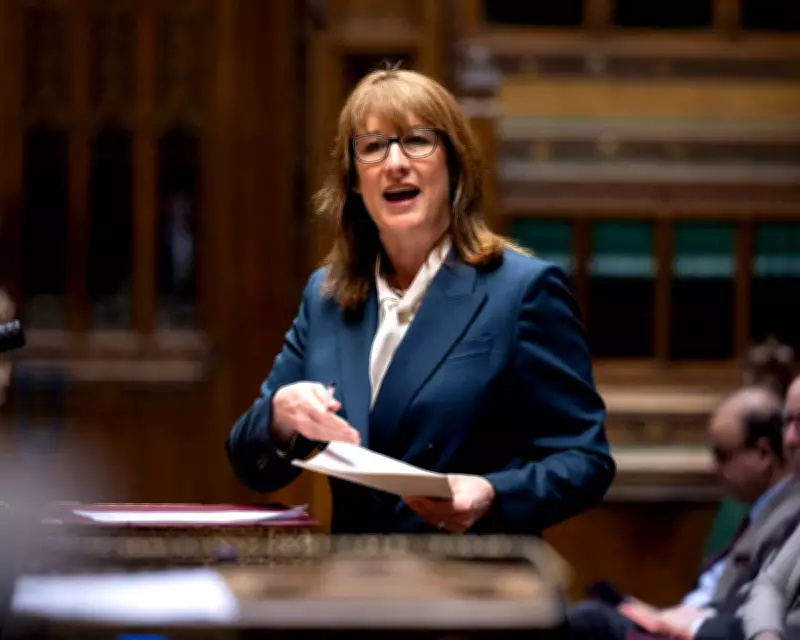
Chancellor Rachel Reeves is actively reviewing strategies to assist households grappling with energy bills projected to approach £2,000 per year starting in July. This move comes as the ongoing conflict in Iran exacerbates global energy market volatility, driving up costs for consumers across the United Kingdom.
Targeted Aid for Vulnerable Families
Ministers are debating several proposals to extend financial support, with one key plan focusing on channeling funds through local councils in England. This approach aims to provide targeted assistance to families most severely impacted by the energy crisis, particularly those identified by councils as facing significant hardship.
Under consideration is an enhancement of the Crisis and Resilience Fund (CRF), a £1 billion annual council-run scheme in England that launches this week. The fund is designed to offer preventative support to communities and aid individuals during financial emergencies. By boosting this fund, the government could help cushion households struggling with elevated energy bills, especially those who may not typically qualify for state benefits.

Fiscal Constraints and Market Pressures
Rachel Reeves has explicitly ruled out reinstating the universal support measures implemented by Liz Truss's government in 2022. Instead, she faces pressure from financial markets to maintain strict budget spending limits, emphasizing the need for a more targeted approach. In a recent statement to the Commons, Reeves affirmed, "The progressive, universal approach that we are taking is the right one … £150 off everyone’s energy bills, but then targeted support for those who need it most."
Thinktanks have urged the government to expedite efforts to identify the poorest households, highlighting concerns over the complexity of such targeting. Historical data from 2022 to 2024, following Russia's invasion of Ukraine, revealed that households in the top 10% of earners received an average of £1,350 in direct energy bill support, underscoring the importance of precise allocation this time around.
Coordinated Government Response
Torsten Bell, a minister involved in both the Department for Work and Pensions and the Treasury, is reportedly coordinating the government's response to the energy crisis. Bell is noted for his caution regarding bailouts limited to benefit claimants, wary of negative media coverage that could overlook lower-paid workers not typically eligible for state support but still facing financial strain.
An expansion of the CRF would enable households with high energy bills but no current benefit eligibility to apply for grants, broadening the safety net. The Treasury has declined to comment further on the specifics of these plans.
Global Economic Ripples and Consumer Impact
The Iran war has triggered significant economic repercussions worldwide, with government borrowing costs rising as markets anticipate increased borrowing to manage the conflict's aftershocks. Bond yields have climbed, with the interest rate on 10-year debt recently hitting its highest level since the 2008 financial crisis, briefly exceeding 5% before easing slightly.
Without a resolution in the Middle East, rising yields could further inflate the interest burden on government debt, constraining the chancellor's budgetary flexibility. Meanwhile, Brent crude oil is on track for a record monthly surge of nearly 60%, surpassing gains seen during the 1990 Gulf War, with prices reaching just over $116 a barrel.
A recent Which? consumer insight tracker revealed that rising prices are compelling half of UK households, approximately 14 million people, to make adjustments such as dipping into savings, selling possessions, or borrowing money to cover daily essential costs.
European Comparisons and Broader Context
Several European nations have already implemented measures to alleviate household burdens. For instance, Madrid has reduced VAT on fuel, while Berlin has restricted German petrol stations to one price increase per day. In France, Prime Minister Sébastien Lecornu announced plans to expand eligibility for energy support, adding 700,000 households to receive an average of €153 (£133), benefiting a total of about 3.8 million people at a state cost of €600 million.

Lecornu emphasized on social media that this mechanism, established in 2018, assists the poorest households in managing energy expenses and preserving purchasing power by directly reducing bills for electricity, gas, or heating oil.
As the UK government navigates these challenges, the focus remains on balancing fiscal responsibility with urgent support for those most affected by the escalating energy crisis.