Trump's Iran Conflict and Energy Agenda Reveal Fossil Fuel Era's 'Dangerous Volatility'
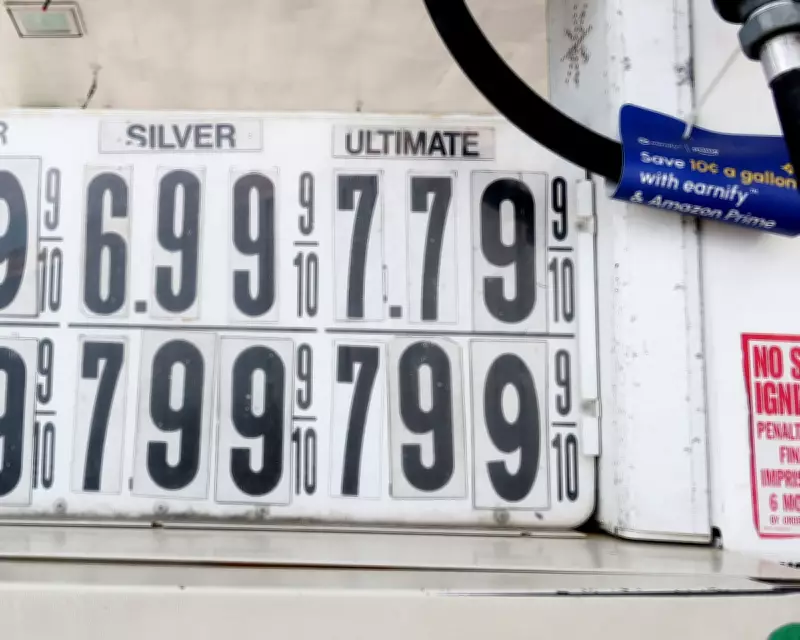
As gasoline prices in New York City reached unprecedented levels in March 2026, with 87 octane fuel exceeding seven dollars per gallon at local stations, critics argue that Donald Trump's approach to energy and foreign policy has inadvertently exposed the inherent instability of fossil fuel dependence. The president's simultaneous military actions against Iran and domestic opposition to clean energy alternatives have created what experts describe as a perfect storm of geopolitical and environmental risk.
Global Energy Markets in Turmoil
The ongoing conflict between the United States, Israel, and Iran has triggered severe disruptions to global energy supplies. Iran's blockade of the Strait of Hormuz, a critical maritime passage responsible for transporting approximately twenty percent of the world's oil, has sent shockwaves through international markets. Since hostilities escalated last month, consumers worldwide have paid over one hundred billion dollars in additional costs to fossil fuel corporations.
"This represents quite a significant gamble the president has taken regarding fossil fuels, and currently, that wager appears to be faltering," observed Alice Hill, an energy and environmental specialist at the Council on Foreign Relations. "The current situation serves as a stark reminder that transitioning to renewable energy sources would provide substantial long-term security benefits for our nation."

Environmental and Humanitarian Consequences
The military campaign against Iran and southern Lebanon has resulted in substantial humanitarian and environmental damage. Missile strikes targeting Iranian oil facilities have generated toxic black smoke that continues to envelop nearby communities, potentially causing ecological harm that may persist for decades. Meanwhile, Trump's threats to destroy Kharg Island, where ninety percent of Iran's oil undergoes processing, have raised serious concerns about potential war crimes under international law.
"The president is essentially anchoring us to twentieth-century energy systems when we possess viable alternatives like wind and solar power that could reduce our dependence on volatile regions like the Strait of Hormuz," Hill emphasized. "This retrenchment becomes particularly striking when we witness oil prices skyrocketing without any coherent strategy to conclude the conflict."
Domestic Energy Policy Under Scrutiny
While scientists worldwide continue to stress the urgent necessity of transitioning away from fossil fuels to mitigate climate catastrophe, the Trump administration has pursued contradictory policies. The president has repeatedly dismissed environmental concerns, recently labeling climate activists as "terrorists" and maintaining his longstanding position that climate change represents a "hoax" or "scam."
Administration officials have taken extraordinary measures to obstruct clean energy initiatives, including prohibiting renewable projects on federal lands and waters while simultaneously eliminating crucial subsidies. In a controversial move last week, the government allocated one billion dollars in taxpayer funds to French energy corporation TotalEnergies to abandon plans for a new offshore wind farm development.
Endangered Species Protections Targeted
The administration's commitment to fossil fuel expansion has extended to environmental regulations, with officials preparing to invoke the rarely utilized "God squad" provision of the Endangered Species Act. This mechanism enables a presidential committee to override protections for critically endangered species when deemed necessary for national security or economic development.
The Department of Defense has requested exemptions that would remove safeguards for the Rice's whale, a species found exclusively in the Gulf of Mexico with an estimated population of merely fifty individuals. Other vulnerable creatures including whooping cranes and sea turtles would similarly lose protection under this proposal.

"This action represents a clear violation of established law and would not even result in increased oil production," stated Kieran Suckling, executive director of the Center for Biological Diversity, which has initiated legal proceedings against the government regarding the planned meeting. "We are essentially witnessing the potential extinction of species for absolutely no justifiable reason."
Broader Implications for Democracy and Security
Experts argue that the current situation illustrates the multifaceted dangers of continued fossil fuel reliance beyond environmental concerns. "We must transition away from fossil fuels to preserve both our planetary systems and democratic institutions," Suckling asserted. "The costs of fossil fuel dependence are becoming increasingly evident—military conflict, democratic erosion, and legal disregard. This extends far beyond global warming alone."
As gasoline prices continue their upward trajectory and military tensions persist, the debate over America's energy future intensifies. With renewable energy technologies becoming increasingly cost-competitive and climate impacts worsening, critics maintain that Trump's policies are exacerbating vulnerabilities rather than enhancing national security or economic stability.