Trump's Iran Conflict Unintentionally Funds Russia's War in Ukraine
In a geopolitical twist, the Kremlin is poised to gain a significant financial boost as former US President Donald Trump's actions in Iran inadvertently enhance Russia's economic standing. With Trump lifting sanctions and global oil prices soaring due to escalating tensions, Russia's crude oil has become more valuable, providing a windfall that supports its ongoing assault on Ukraine. This development marks a dramatic reversal in Russian fortunes, shifting from economic pressure to newfound prosperity.
Oil Price Surge Transforms Russian Economic Landscape
The war in Iran, triggered by US-Israeli strikes, has sent oil prices skyrocketing, raising concerns about prolonged price shocks. Russia, though not a direct combatant, is already reaping substantial benefits from higher oil revenues. Just weeks ago, Vladimir Putin faced increasing strain as international sanctions tightened, but today, with abundant crude supplies and the effective closure of the Strait of Hormuz, Russia is capitalizing on the crisis. The price of Urals crude has soared, and the discount Russia previously offered due to sanctions has been eliminated, delivering a financial boon to the Kremlin's military campaign.
According to the Centre for Research & Clean Air (CREA), Russian oil revenues fell by 18% last year and showed further decline in January, placing genuine pressure on the economy. However, the attacks on Iran have swiftly alleviated this pressure, with revenues increasing by 17% in the last two weeks and exports from northern Russian ports up by 24%. This turnaround illustrates how geopolitical events can rapidly reshape economic dynamics.

Shadow Fleet and Market Fluctuations Highlight Windfall
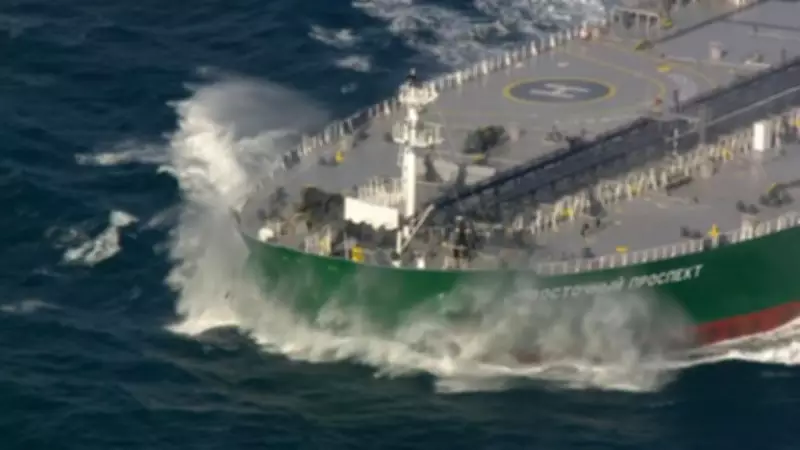
The transformation in Russia's economic fortune is vividly demonstrated by the journey of a single vessel in the Russian shadow fleet. In February, Sky News intercepted the Kousai, a Sierra Leone-flagged tanker with a capacity of around 750,000 barrels, as it passed through the Strait of Dover. Loaded with crude at Ust-Luga in the Baltic on February 2, its cargo was worth approximately $40 million. By the time it reached Dover eight days later, its value had risen to $42 million, with Urals crude trading at $56 a barrel, $13 below Brent crude.
Nine days into the Iranian conflict, Urals crude peaked at over $100 a barrel. As the Kousai passed Sri Lanka en route to India on March 9, its cargo was valued at $75 million. By Thursday morning, as it approached Paradip, the value adjusted to $65 million, reflecting a barrel price of $87. These fluctuations underscore how the Iran war has provided Russia with a lucrative opportunity, easing pressure that had been building since the invasion of Ukraine to curb oil revenue.
Sanctions Eased and Global Demand Shifts
International sanctions from the UK, EU, Australia, Canada, and the US have targeted thousands of Russian individuals, companies, and tankers in the shadow fleet used to transport crude globally. With Western nations closed for business, India and China emerged as Russia's largest customers for crude oil. US sanctions against New Delhi introduced in February seemed to deliver a serious blow, but last week, the US offered India a 30-day waiver on these restrictions.
This waiver is a tacit acknowledgment that with 20% of global oil supply choked off by the closure of the Strait of Hormuz, Indian demand could further drive up prices. Russia also benefits from interrupted supply to China, which sources nearly half of its oil imports from Gulf states currently unable to send tankers through the Gulf. Isaac Levy of CREA noted, "The spike in energy prices triggered by the closure of the Strait of Hormuz is boosting the Kremlin's oil and gas revenues, helping fund its war chest. In effect, geopolitical turmoil and policy loopholes are handing Russia a windfall just as sanctions were beginning to bite."

Levy added, "The US waiver allowing India to keep buying Russian oil from sanctioned companies will blunt the impact of sanctions. Discounts on Russian crude have almost vanished, and tankers that were idling are now preparing to unload at Indian ports again." As the Iran conflict persists, Russia is likely to continue profiting, using these gains to sustain its military efforts in Ukraine, highlighting the interconnected nature of global conflicts and economies.