Thames Water's Maple Lodge: A Sewage Plant Under Siege
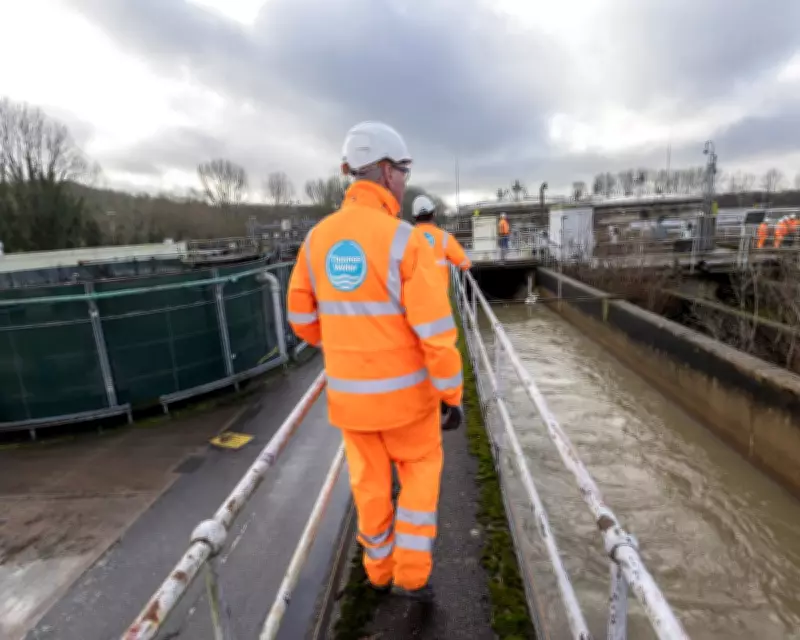
On a damp, grey day in Rickmansworth, just off the M25, Thames Water's Maple Lodge sewage treatment plant continues its relentless operation. Wastewater flows into the facility at a staggering rate of approximately 3,000 litres per second, a volume that remains within its current capacity. This site, however, stands as a frontline emblem of the national sewage scandal and the deepening crisis surrounding Thames Water's financial and operational future.
The Daily Grind at Maple Lodge
The plant manager guides visitors through the intricate processes that define Maple Lodge's daily functions. Initial screens capture debris that cannot pass through a 5mm filter, including a rotating mass known as a "sheep"—a tangled bundle of wet wipes, sanitary pads, cotton buds, condoms, and indigestible sweetcorn kernels. Over the years, items like credit cards and false teeth have also found their way into this filtration stage.
Subsequent steps involve grit removal, settlement tanks to separate sludge and oily scum, aeration and biological treatment tanks, and circular final clean-up tanks. The treated effluent is discharged into the Grand Union canal as intended. During this particular visit, the storm overflow tanks remain inactive, with no untreated wastewater spilling into the nearby River Colne.

A History of Overflows and Underinvestment
Yet, Maple Lodge does not always manage so effectively. As Thames Water's fifth-largest sewage treatment centre, it discharged wastewater 124 times for a total of 1,916 hours into the River Colne during the rain-heavy year of 2024. In early January, Thames Water's real-time portal indicated multiple storm overflow events at Maple Lodge, including one lasting 66 hours, accompanied by warnings of potential sewage contamination in the watercourse.
This facility is among the 157 wastewater works labelled "sites of concern" by the regulator Ofwat, which fined Thames Water £104 million last year for failures in infrastructure maintenance and operation. Spanning 10 hectares (24 acres), Maple Lodge appears tidy but undeniably aged, cramped, and suffering from chronic underinvestment. Built in the 1950s and 1960s, it struggles with a growing local population and the sponge-like characteristics of the chalky landscape. Upstream, the village of Chalfont St Peter in Buckinghamshire has experienced sewer flooding, prompting Thames Water to invest in lining sewers and sealing maintenance holes.
Delayed Upgrades and Regulatory Scrutiny
The core issue persists: a major project to enhance capacity and install equipment for meeting higher regulatory standards, such as phosphorus removal, was originally due for completion a year ago. Now scheduled for 2030, the projected costs have ballooned to £300–400 million. Tessa Fayers, Thames Water's wastewater and bioresources director, attributes the delays to prices "materially in excess" of initial expectations and "delivery constraints."
Thames Water is under investigation for potential breaches of environmental targets under the water industry national environment programme, separate from Ofwat's concluded probe into flow capacities and storm tanks that resulted in the £104 million fine. Fayers notes that the Environment Agency is "entitled to give us a breach" if operations exceed permit limits, adding, "And they are doing that, believe me. Then we will face sanctions."
Negotiations and Financial Uncertainty
This regulatory pressure underscores the ongoing negotiations to determine Thames Water's future. Nearly two years after shareholders declared the company "uninvestible," talks between senior bondholders, who have lent £16 billion, and Ofwat continue. Insiders suggest gaps remain, but a "market-led" recapitalisation is likely, avoiding temporary nationalisation. The Treasury fears such a move could become permanent, especially with potential demands from Labour backbenchers.

Key terms include a writedown for senior bondholders, potentially around 30%, reducing Thames Water's debt pile. In exchange, bondholders might receive a 10% ownership stake, with the remainder going to funds providing over £3 billion in fresh equity. This could include US hedge funds like Elliott Management and Silver Point, which acquired debt at distressed prices. Junior bondholders would be wiped out, similar to old shareholders.
Political Risks and Customer Concerns
The bondholders, operating as London & Valley Water, have pledged to "reprioritise" £20 billion in spending allowed from customer bills between 2025 and 2030. However, specifics on which projects might be deprioritised remain unclear. While investment in Maple Lodge is expected to proceed due to advanced planning, the consortium has offered little detail on individual initiatives.
Creditors have also appealed for regulatory "easements," arguing that avoiding further fines during a 10-year turnaround is essential to prevent a "doom loop" of delayed infrastructure spending. Yet, any deal must balance leniency with accountability, ensuring new owners cannot evade performance targets. Government ministers, largely absent from public discourse, face political risks if an overly lenient agreement leads to windfall profits for hedge funds without tangible improvements for 16 million customers facing a 35% bill increase over five years.
Staff Resilience and Sector Challenges
At Maple Lodge, Fayers emphasises the staff's desire for stability, stating, "What people yearn for is stability. What we really want is to be able to deliver without mass turmoil and disruption." Despite decades of underinvestment, employees work diligently to maintain operations, with signs of improvement, including a "material" drop in pollution incidents expected in the latest financial year.
Fayers adds optimistically, "This is the time to be alive in the wastewater sector. You look at the record level of investment and we have opportunities at 80% of our sites to make a difference. But it's a long old journey." The broader crisis stems from a history of dividend extraction, debt accumulation, and weak regulation, exacerbated by political disengagement until public outrage over pollution data erupted in 2021.
As the future of Thames Water hangs in the balance, with a resolution anticipated within the next month, the standoff between Ofwat, bondholders, and ministers highlights the urgent need for sustainable solutions in England's privatised water sector.