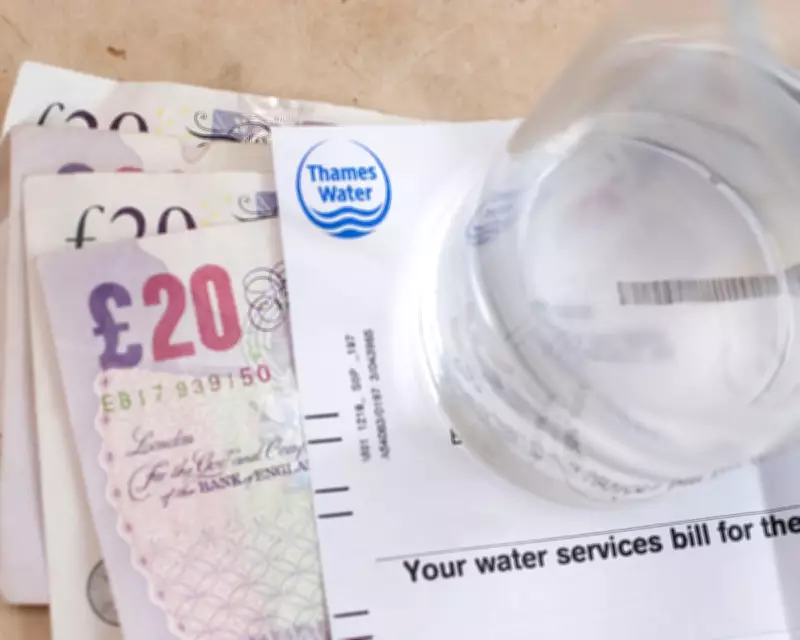
A London resident has been blindsided by Thames Water with a nearly £2,000 bill, backdated to 2020, due entirely to the company's own administrative error. The utility giant admitted it mistakenly stopped collecting direct debits six years ago and failed to send any bills since, leaving the customer unaware of mounting charges.
Regulatory Loophole Exposes Households
While businesses benefit from back-billing rules limiting charges to 24 months, water companies possess the legal authority to claw back up to six years' worth of unpaid bills from domestic customers when billing errors occur. The Consumer Council for Water, the industry regulator, expects firms to waive such charges when the mistake originates from the company, yet this protection remains discretionary rather than mandatory.
Thames Water's Initial Response and Reversal
Initially, Thames Water acknowledged its system error and promised to write off charges older than twelve months, only to later attempt recovering almost the full amount. Following intervention, the company ultimately agreed to waive all charges between April 2020 and March 2026, apologizing for "any inconvenience" caused by the prolonged oversight.

Another Customer's Metering Nightmare
In a separate case, a customer identified as GB found himself trapped in a bureaucratic loop with Thames Water after moving into a new flat equipped with a smart meter. Despite the meter's existence, Thames Water placed the household on an unmetered tariff costing £160 monthly—more than triple the average £50 charge for a two-person household.
Multiple requests for a metered tariff were ignored, with the company dispatching engineers who confirmed the meter's functionality yet failed to resolve the issue. Thames Water continued sending contradictory messages urging GB to install a meter that already existed, highlighting systemic communication failures.
Swift Resolution Under Pressure
Only after external intervention did Thames Water act promptly, registering the meter to the account, switching to a metered tariff, and issuing an apology within two hours. This case underscores the company's capacity for rapid correction when held accountable, contrasting sharply with its usual sluggish customer service.
Consumer Vigilance Urged
Experts advise households to meticulously monitor all utility bills, as regulatory gaps leave consumers vulnerable to back-billing practices. While the Consumer Council for Water investigates complaints when companies refuse to waive self-inflicted errors, proactive oversight remains the best defense against unexpected financial demands.
The incidents reveal broader concerns about Thames Water's billing systems and customer service protocols, prompting calls for stricter regulatory frameworks to protect consumers from similar administrative failures in the future.