Prime Minister Calls for Normalcy as Energy Executives Warn of Impending Fuel Shortages
Prime Minister Keir Starmer has publicly urged British citizens to "act as normal" despite escalating concerns from energy industry leaders about potential fuel shortages that could materialize within days. The Prime Minister's official spokesperson emphasized that the United Kingdom maintains a "resilient and diverse" supply of energy sources, attempting to downplay the looming threat of a full-scale fuel crisis.
Government Assurance Amid Global Energy Infrastructure Attacks
"We will always plan for all eventualities," the spokesperson stated firmly. "Fuel production and imports are continuing from diverse and resilient supply. When it comes to supplies, people should and can continue to act as normal. There hasn't been an immediate impact here in the UK."
This reassurance comes against a backdrop of increasing global tension. In recent weeks, senior officials from major global energy companies and retailers have issued stark warnings. Attacks on critical energy infrastructure in Iran, Qatar, and Kuwait, combined with the strategic blocking of the Strait of Hormuz, have created a perfect storm that threatens to trigger a major global supply crisis.

Industry Leaders Sound the Alarm
The most prominent warning came from Shell's Chief Executive, Wael Sawan, who predicted that Europe could experience noticeable fuel shortages within mere weeks. Adding to the concern, Allan Leighton, Executive Chair of Asda, reported that consumer demand is currently "outstripping supply", leading to temporary shortages affecting "the odd pump" across the country.
The aviation sector is also bracing for impact. Airline executives, particularly in Asia, have warned that a significant drop in shipments of jet fuel could jeopardize flight schedules and operations. Supporting these concerns, data from energy analytics provider Vortexa indicates that European fuel imports could plummet by 40 percent this week, potentially reaching their lowest level since March 2022.
Emergency Government Response and Economic Warnings
In response to the growing crisis, Prime Minister Starmer is scheduled to convene an emergency COBRA meeting on Tuesday. This high-level gathering will include top government officials and will focus on addressing cost-of-living pressures and assessing the impacts on critical sectors including shipping, insurance, and energy.
Nick Butler, a former energy adviser to Prime Minister Gordon Brown and current economics professor at King's College London, has advised businesses to prepare for a fuel supply crisis. He suggested practical measures such as considering an additional day of remote work per week to help ration fuel consumption.
"The government has to protect the key sectors of the economy – food supply, health service, schools and so on – and then it has to work out how it's going to manage the market for the rest of us," Professor Butler explained in a weekend interview with BBC News. "I don't think they can just leave it to a free-for-all, which would be chaotic and very regressive and unfair to those of limited ability to pay. I don't think it's going to be ration books."
Political Context and Broader Economic Fears
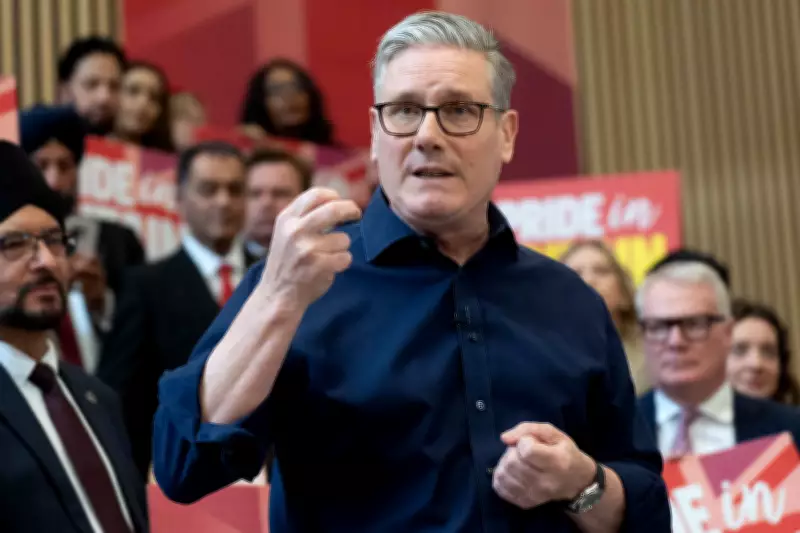
The energy crisis unfolds within a charged political atmosphere. On Monday, Prime Minister Starmer used a Labour local election rally to criticize the Conservative Party, Reform UK, and the Green Party over their respective stances on international conflicts. Starmer has consistently maintained that the UK did not join a specific war, contrasting his position with figures like Kemi Badenoch and Nigel Farage, who supported allowing US use of UK bases for strikes.
Furthermore, Starmer criticized Green Party representative Zack Polanski regarding the party's pledge to pursue negotiations with nuclear powers for collective disarmament. However, the Prime Minister may soon face the severe economic repercussions of ongoing global instability. Economists are increasingly fearful that the world economy could be plunged into a recession, adding another layer of urgency to the government's response to the energy and fuel supply emergency.