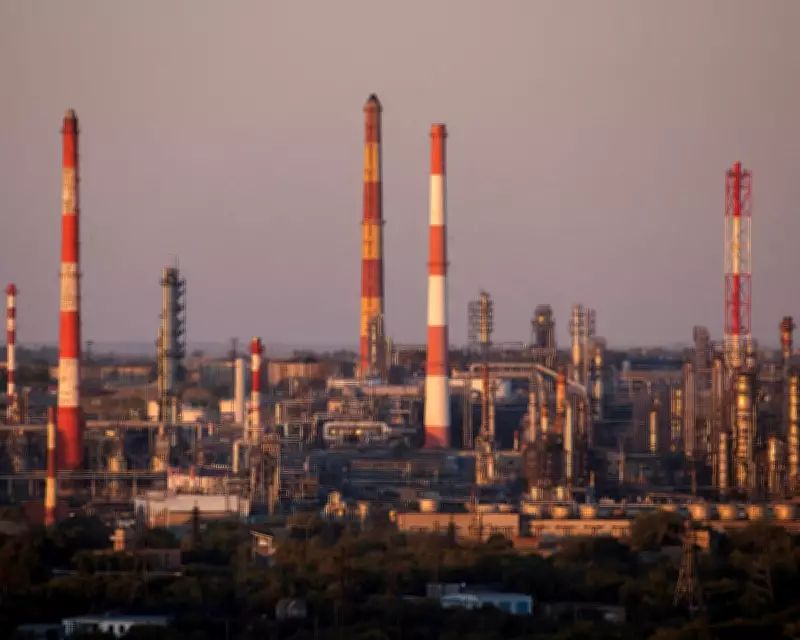
Russia's commodity revenues have long been recognized as a critical component of its state budget, directly financing military expenditures, including its ongoing war in Ukraine. Recent data indicates a significant financial windfall for Moscow following the escalation of conflict in the Middle East.
Substantial Revenue Increase in March
According to figures from the Centre for Research on Energy and Clean Air (CREA), Russia earned approximately €6 billion from fossil fuel exports during the two-week period following the start of the US-Israel war with Iran. This represents a substantial increase in revenue, with March alone showing an extra €672 million generated from oil, gas, and coal sales compared to previous months.
Oil Sales Drive the Surge
The vast majority of this revenue increase—about €625 million—appears to have originated from oil trading. Combined average daily prices for fossil fuels surged by 14% from February to March, creating favorable market conditions for Russian exports. This financial boost comes despite previous declines in Russia's energy revenues over the preceding twelve months.

Global Market Disruption
The International Energy Agency (IEA) has issued warnings about the war's impact on global energy markets, noting that the conflict has reduced Gulf oil and gas production by at least 10 million barrels per day. This disruption represents what the IEA describes as "the largest supply disruption in the history of the global oil market," creating volatility that benefits major exporters like Russia.
Sanctions and Market Dynamics
The revenue figures emerged shortly after former US President Donald Trump indicated he would consider easing sanctions on Russian oil in response to soaring global prices. Alexander Kirk, a sanctions campaigner at the NGO Urgewald, commented on this development, stating: "When markets panic, authoritarian exporters cash in. In less than two weeks, Russia has earned an estimated €6 billion from fossil fuel exports, money that ultimately feeds the Kremlin's war machine."
Kirk further explained the potential consequences of sanction relaxation: "Easing sanctions now would not stabilize markets. What it would do is allow Russia to sell the same oil for a far better price. US sanctions have forced Russian crude to trade at a steep discount. A rollback closes that gap overnight and hands the Kremlin a revenue boost worth billions, at the very moment that pressure is starting to bite."
Previous Revenue Decline
CREA data from before the Iran war showed that Russia's earnings from oil and gas exports had actually decreased over the previous year, even as export volumes increased. The IEA confirmed this trend, noting that Russia's crude oil and refined product revenues reached their lowest point since the beginning of the Ukraine conflict in the month preceding the Iran war.
Factors Behind Earlier Decline
This February decline resulted from multiple factors, including reduced exports to India following Washington's discouragement of cooperation with Russia, and the impact of January attacks on a pipeline delivering oil to Hungary and Slovakia via Ukraine. The recent surge in revenue therefore represents a significant reversal of fortune for Russia's energy sector.
The intersection of global conflict, market dynamics, and geopolitical sanctions continues to shape Russia's economic landscape, with fossil fuel revenues remaining central to both its budget planning and military capabilities. As global energy markets respond to ongoing conflicts, the financial implications for major exporters like Russia will likely continue to evolve in unpredictable ways.