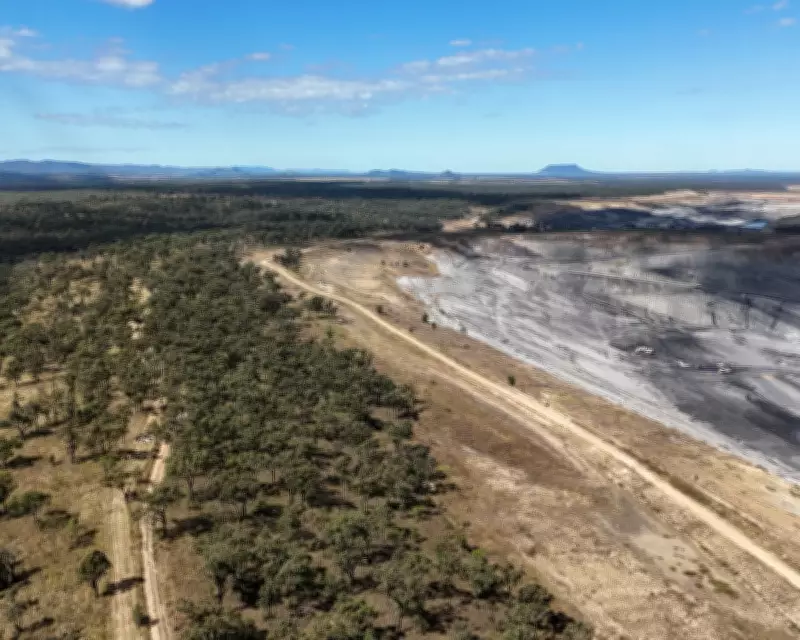
Queensland Government Approves Hail Creek Coal Mine Extension
The Queensland government has granted approval for the extension of the Hail Creek coal mine, a significant development in Australia's mining sector. This decision, announced in March 2026, allows the mine to continue operations beyond its original closure date, potentially adding years to its lifespan and increasing coal production capacity. The extension is expected to support hundreds of jobs in the region and contribute to the state's economy through royalties and export revenues.
Federal Intervention Sparks Controversy
In response to the approval, the federal government has intervened, citing concerns over environmental impacts and national climate commitments. Federal authorities are reviewing the decision under environmental laws, which could lead to modifications or even a reversal of the extension. This intervention highlights the ongoing tension between state-level economic priorities and federal environmental regulations in Australia.
The debate centers on balancing economic benefits with sustainability goals. Proponents argue that the mine extension is crucial for local employment and energy security, while opponents warn of increased carbon emissions and habitat destruction. The federal review process is expected to involve public consultations and scientific assessments, with a final decision anticipated in the coming months.

Implications for Queensland and Beyond
The Hail Creek mine, located in central Queensland, is a major producer of metallurgical coal used in steelmaking. Its extension could bolster Australia's position as a key global coal exporter, but it also raises questions about the country's transition to renewable energy. Stakeholders, including mining companies, environmental groups, and local communities, are closely monitoring the situation.
This case underscores broader issues in Australian policy, where resource projects often face scrutiny over their alignment with climate targets. As the federal intervention unfolds, it may set a precedent for future mining approvals, influencing how state and federal governments collaborate on resource management and environmental protection.